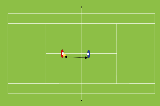
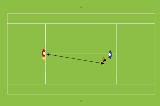
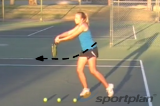
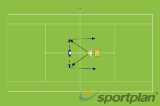
The player starts by standing close to the fence, with the coach throwing the ball to the backhand side. The player then executes a backhand volley back to the coach, with the fence preventing the player from taking too big a backswing.
Taking too big a backswing is a common mistake made by junior players, and also by typical baseline players. They try to add extra power by taking the racquet back but they forget that the ball will be coming at them with more than enough speed, so all they need is control. A short movement of the racquet guarantees consistency so players have to learn how to control their backswing.
This drill helps the player work on shortening their backswing. The player stands close to the fence so that it is an obstacle that prevents the player from taking the racquet back as they will simply hit the fence if they do.
At the beginning of the drill, the coach will throw the ball to the player and catch it. As the drill progresses, incorporate this into a rally.
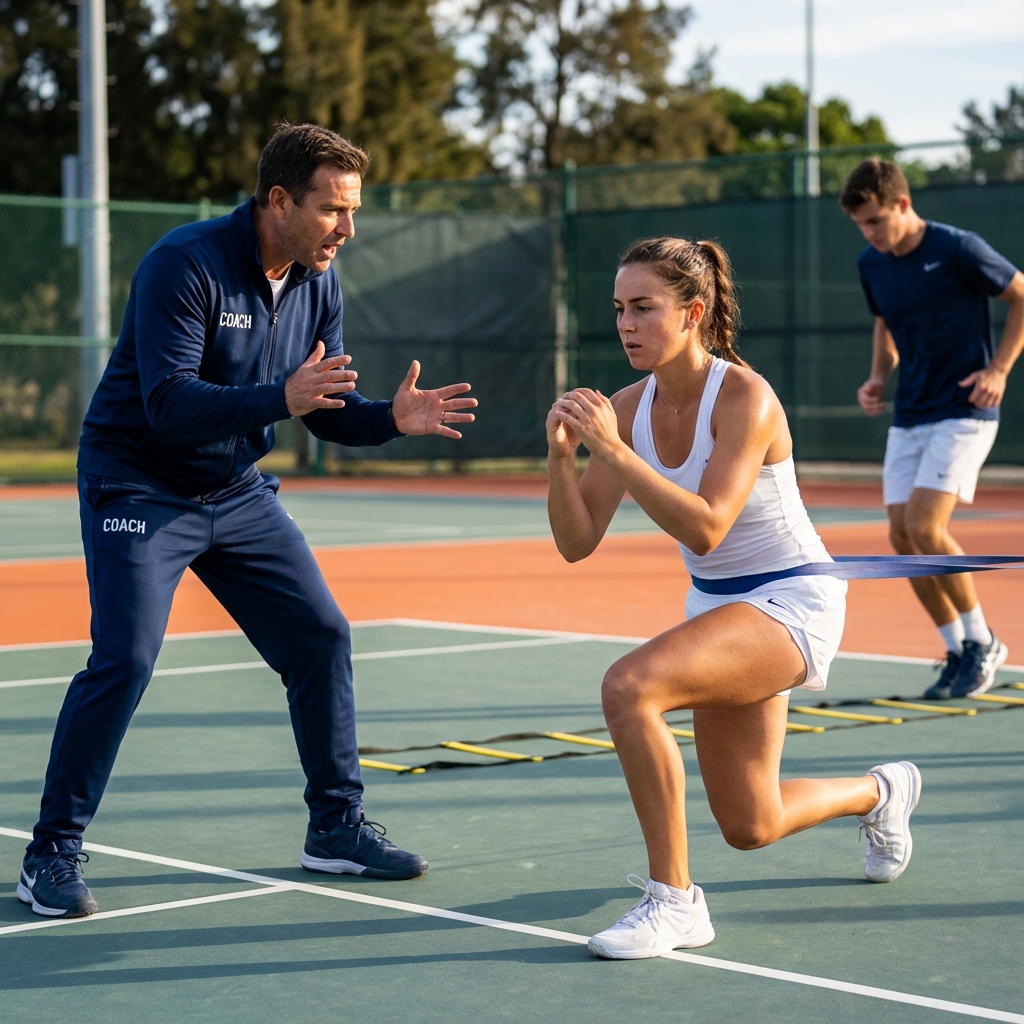
Tennis demands a unique combination of endurance, power, agility, and flexibility. Physical preparation determines how long careers last and how players perform when it matters most.
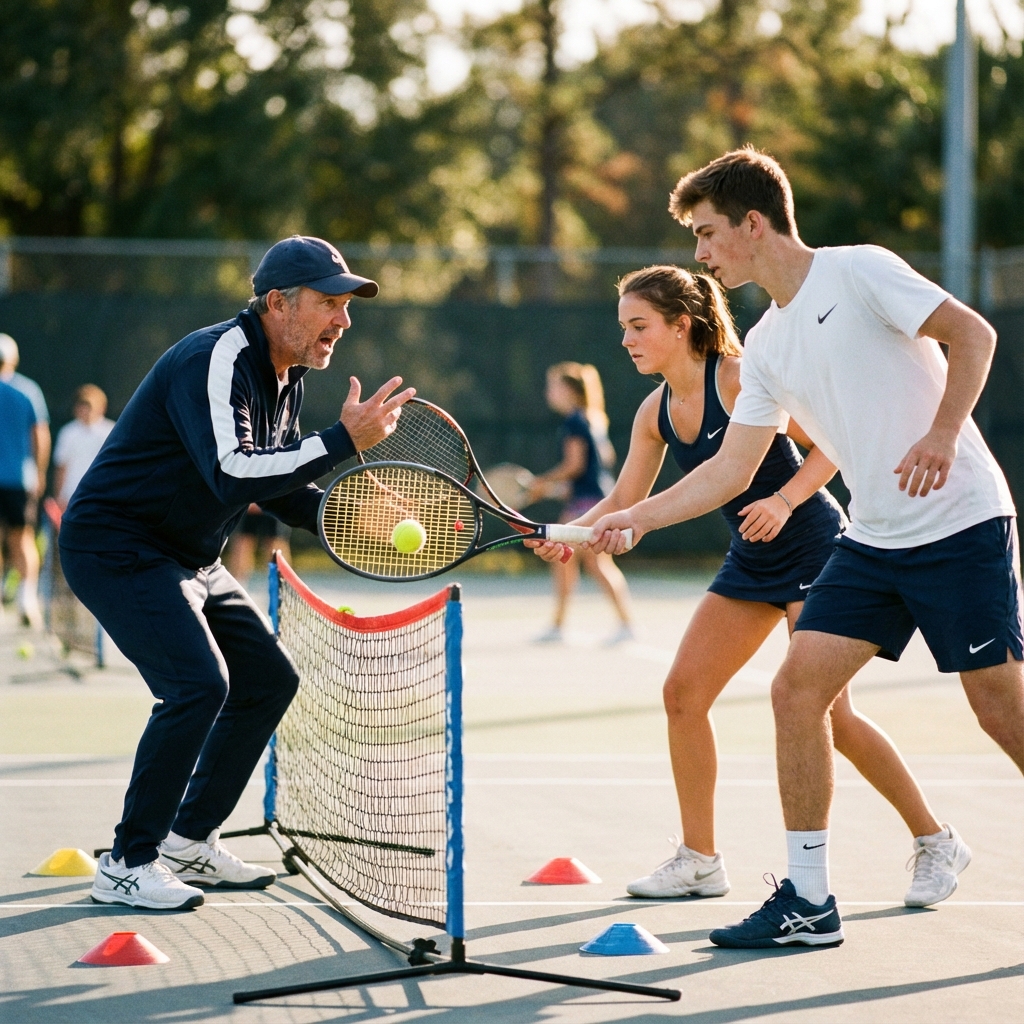
Ecological dynamics is transforming tennis coaching. This constraints-led approach develops adaptable, creative players who can solve problems in competition, not just execute drilled patterns.
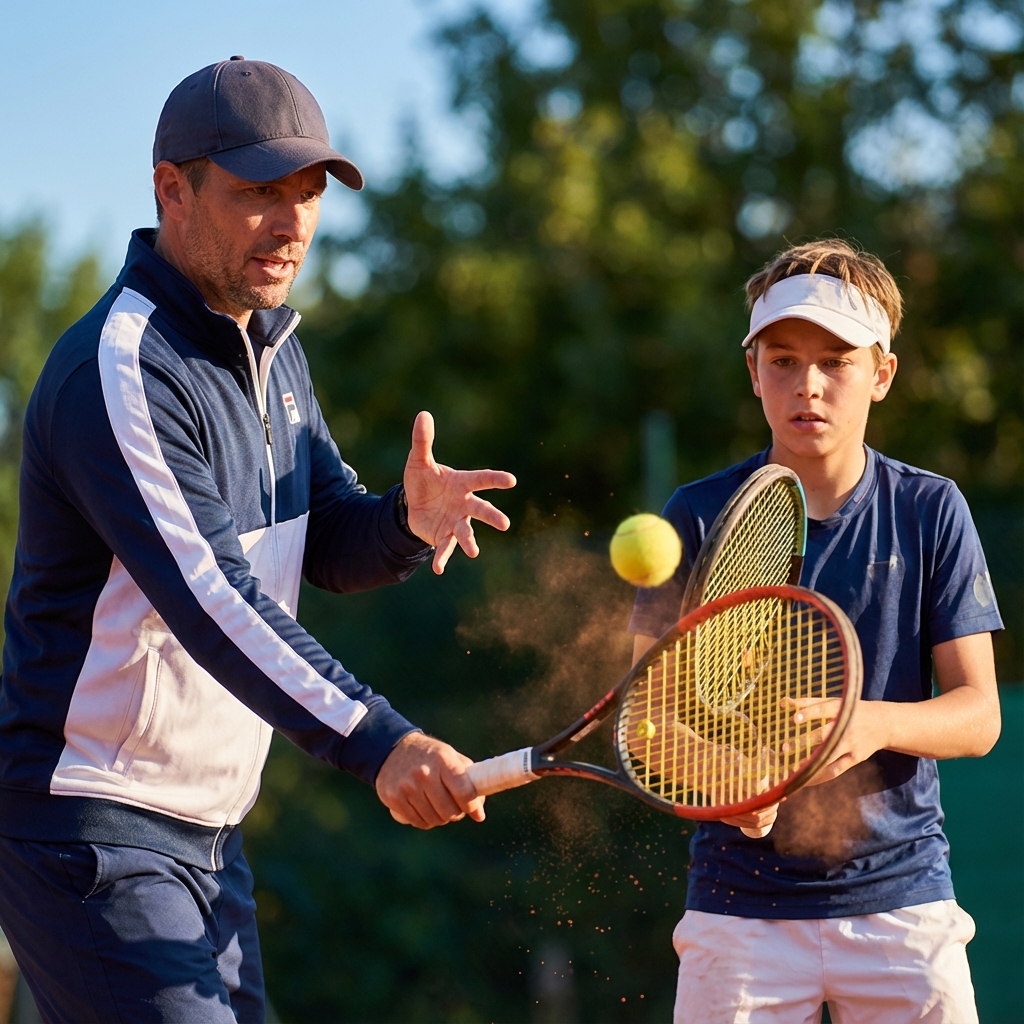
The one-handed backhand is becoming rare, but when executed well, it remains one of tennis's most elegant and effective shots. Is it a dying art or a tactical advantage?


Register for FREE and get coaching tips, top drills, session and more every week!