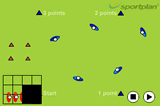
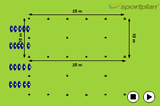
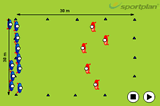
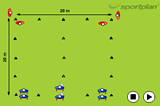
Up to 10 in a group. Each player should have a tag belt.
Each player partners up with someone and then stand side by side.
On the coach's call the players run to that sideline. If the coach calls 1 for example they have to run to the sideline before the 2s can catch them and take their belt.
If you haven't got belts then you can just use bibs. Start with feet moving and legs bent ready to turn and sprint away.
Progression:
Increase the channel width as players improve.
in more ways than one
 sportplan_netball
in more ways than one
sportplan_rugby
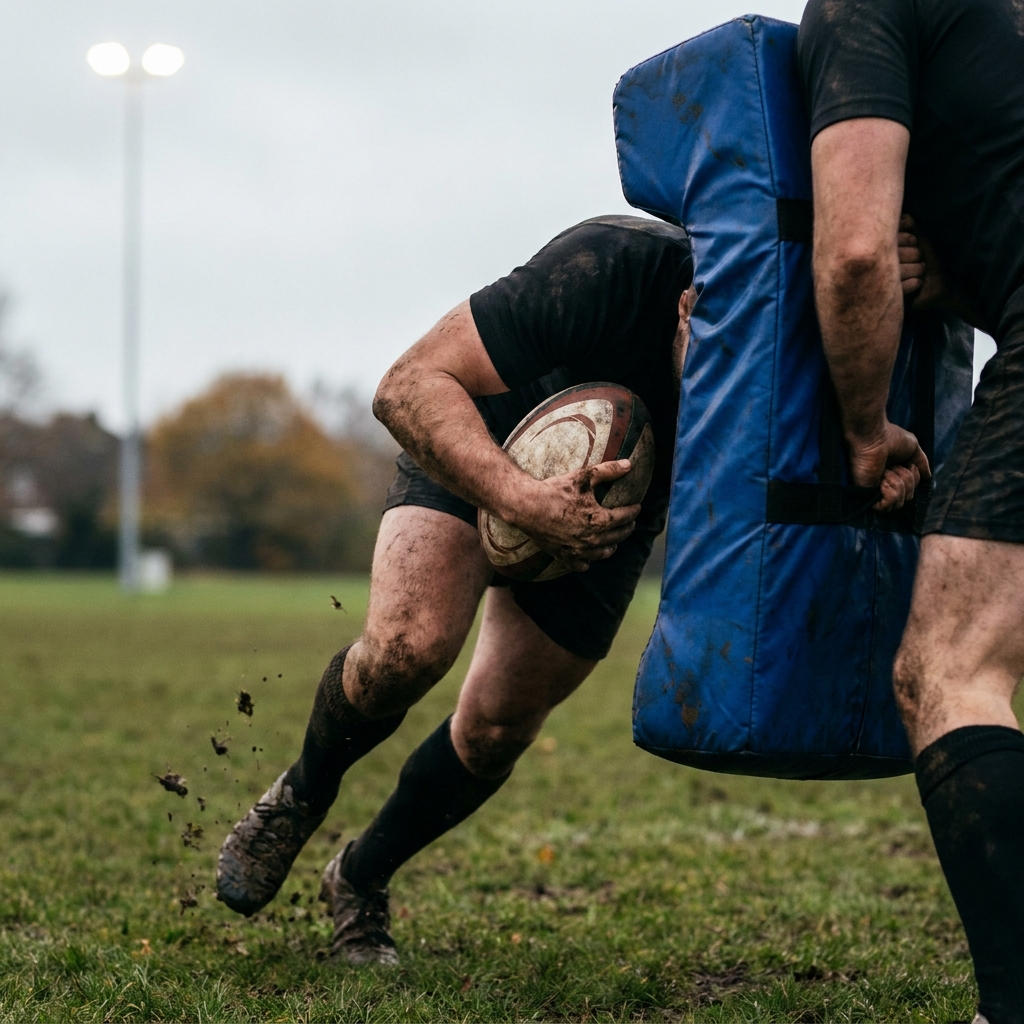
Tacklers are aiming lower, so carriers who dip late put heads at risk. Teach footwork, a strong early body height and leg drive to win the collision safely.
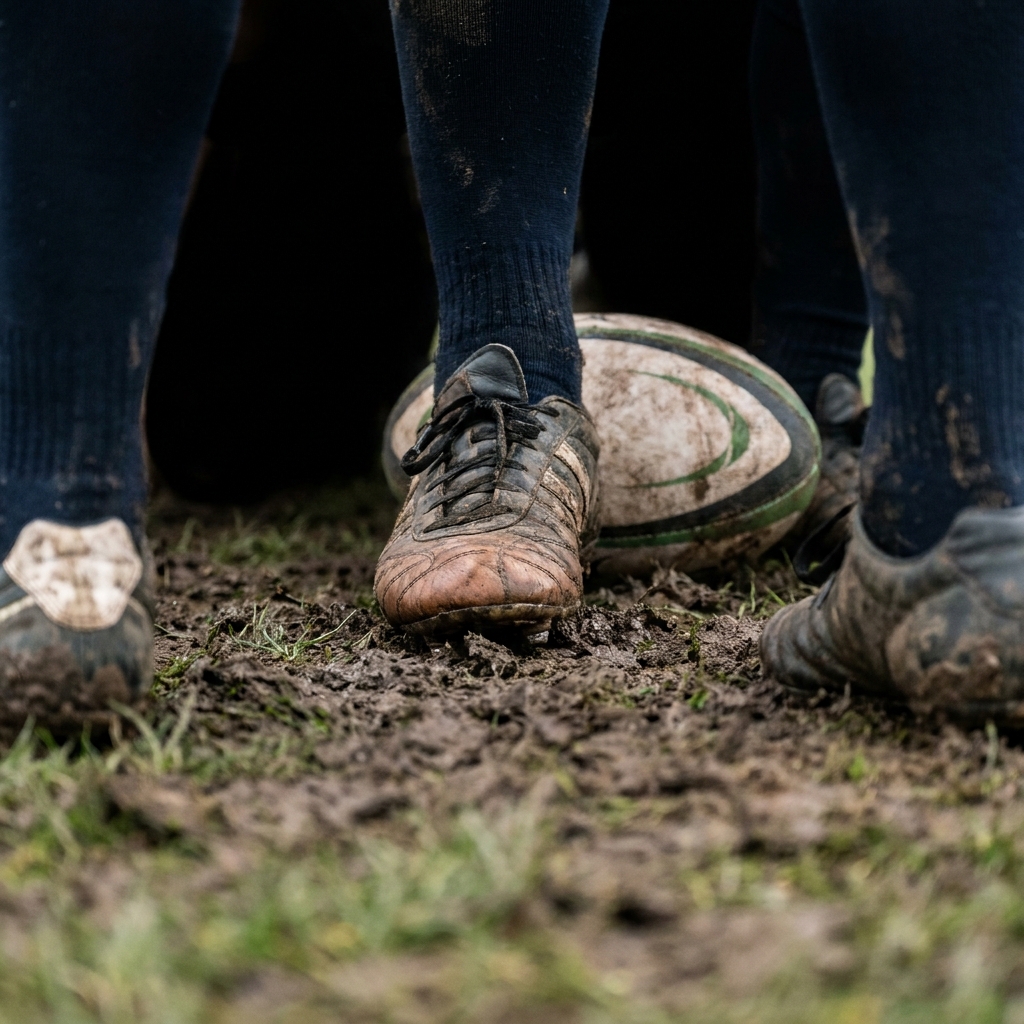
The hooker's brake foot moved from trial into full law in July 2026. Here is how to coach it so your front row stays stable, legal and safe.
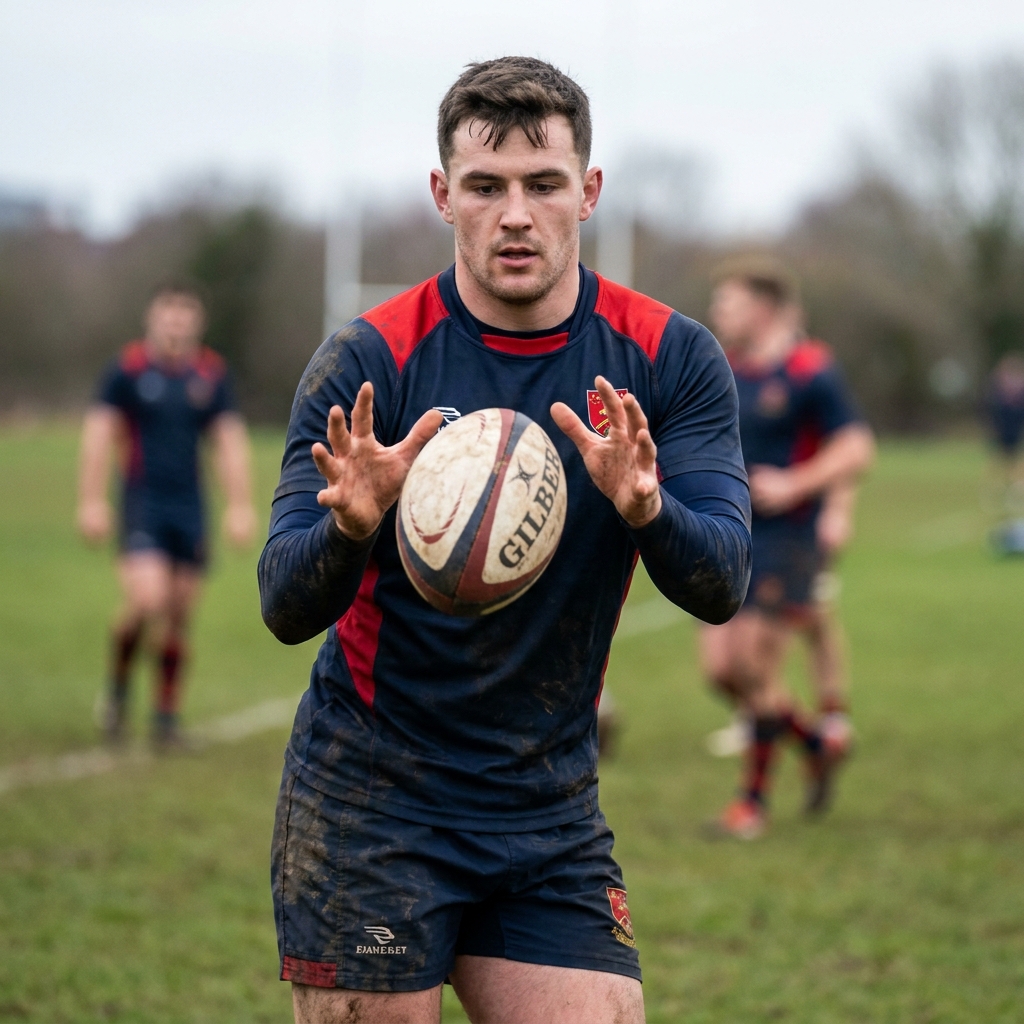
Your players can pass beautifully in a warm-up grid. Then a defender closes, their lungs are burning, and the ball goes to ground. Here is how to build catch-pass skills that hold up when it matters.