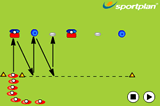
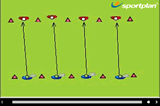
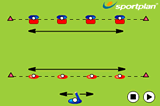
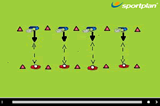
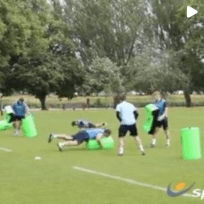
Starting with their backs to one another, two players stand 5 metres apart and run off in opposite directions along one side of the 20 metre grid.
At the corners of square each player cuts back into the grid and the player with the ball attempts to score by running with the ball into the far corner. The blue player's objective is to tackle them and prevent them from scoring.
After 5 minutes change the roles around.
Tackling points:
Tackler approaches at speed and reduces their as they close in to tackle.
They keep their head up with a slightly crouched body angle as they engage their shoulder below the other player's hip and place head behind their bum.
After tackling they quickly return to their feet as practice for a game situation where they might have to compete for the ball again.

in more ways than one
 sportplan_netball
in more ways than one
sportplan_rugby
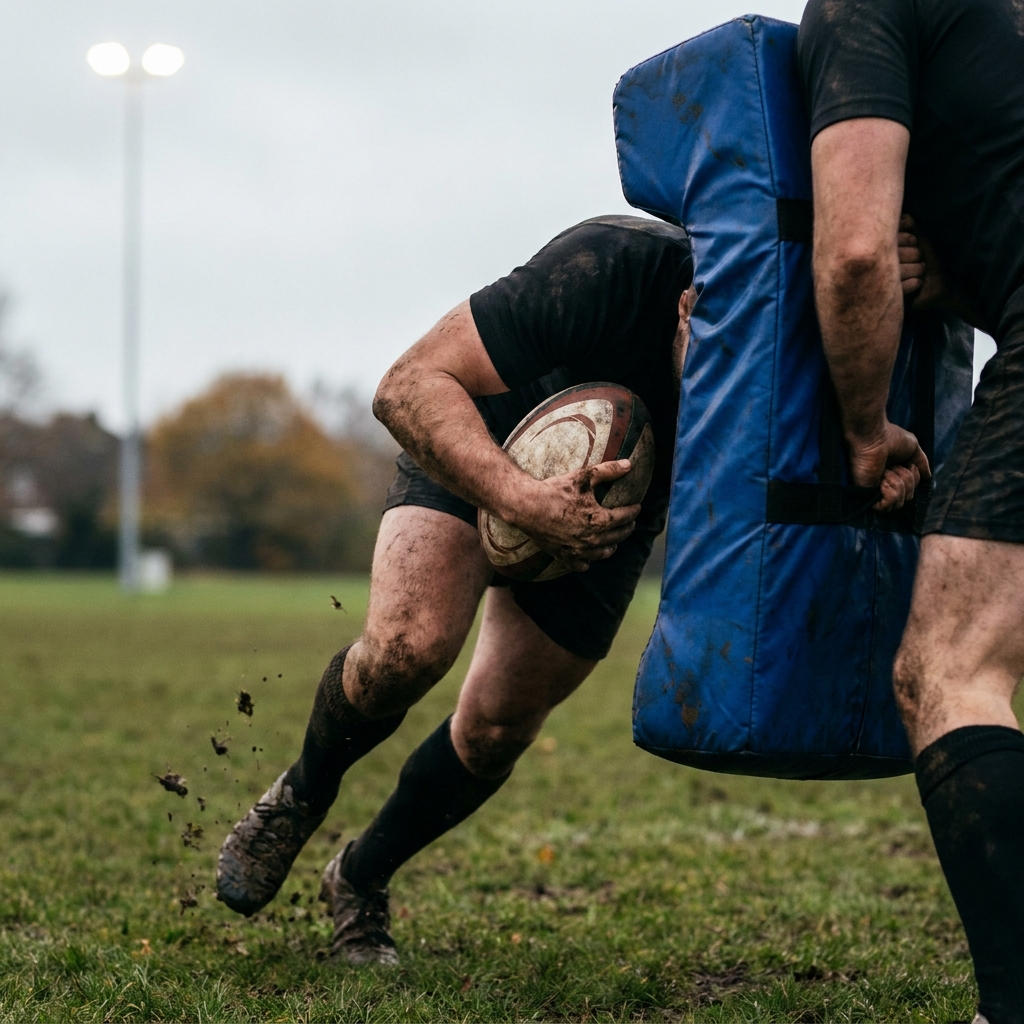
Tacklers are aiming lower, so carriers who dip late put heads at risk. Teach footwork, a strong early body height and leg drive to win the collision safely.
The hooker's brake foot moved from trial into full law in July 2026. Here is how to coach it so your front row stays stable, legal and safe.
Your players can pass beautifully in a warm-up grid. Then a defender closes, their lungs are burning, and the ball goes to ground. Here is how to build catch-pass skills that hold up when it matters.