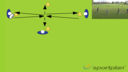
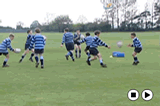
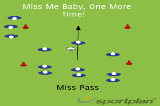
Players line up single fine in two lines.
Two coaches stand at the front and just off the side of both lines. One coach begins with the ball.
The coach pops the ball to an oncoming player, who takes the ball in their stride and passes across to the coach on the other side.
The passing player then runs through the cones at the end of the line and curves back round to join the opposite group.
The coach receiving the pass then pops the ball off to the incoming player on the other side, who receives the ball and passes across to the first coach.
The passing player runs through the gates and rejoins the opposite group.
The game continues and flows until all players have completed a pass on both sides.
The players should receive the pass from the coach on the move, not stationary.
Keep the passes as flat as possible.
Focus on accuracy and height, before moving onto speed of pass.
Ensure that the players' momentum takes them through the cones.

in more ways than one
 sportplan_netball

in more ways than one
sportplan_rugby
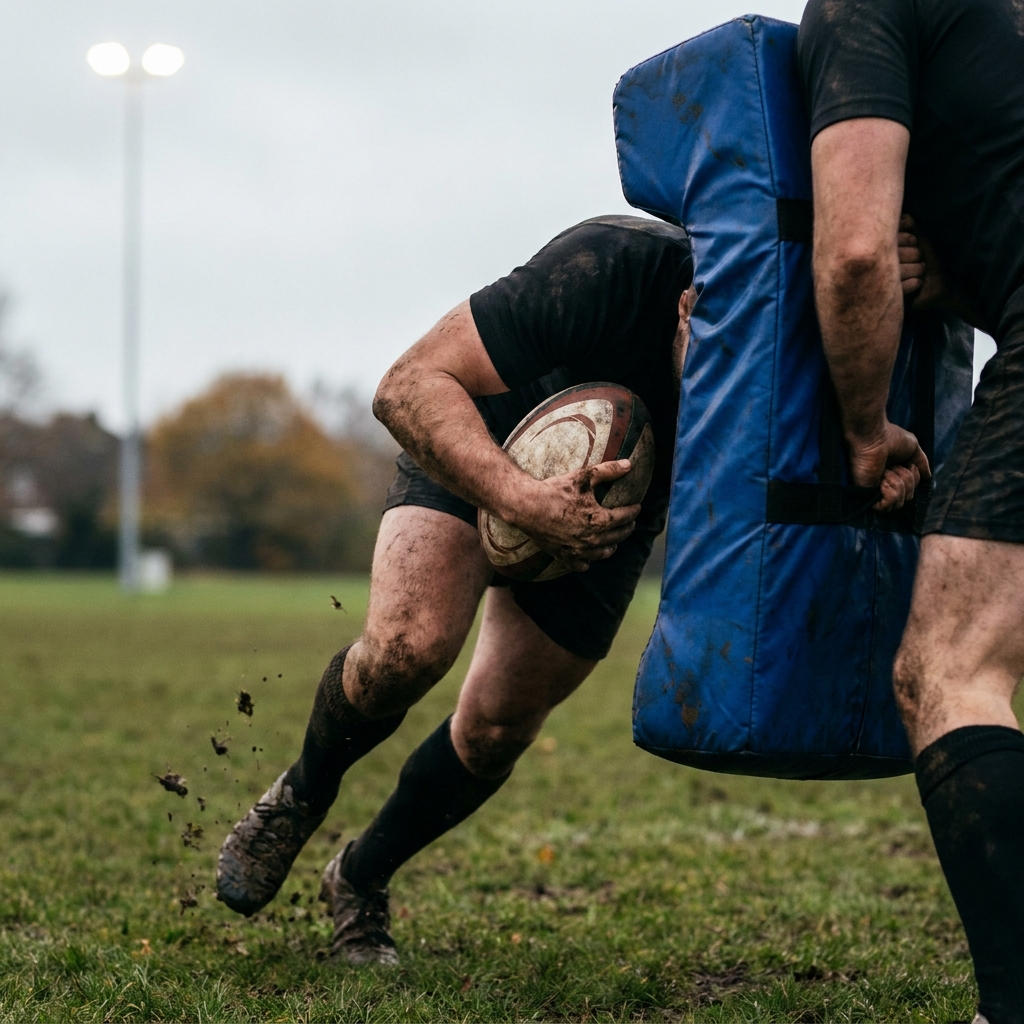
Tacklers are aiming lower, so carriers who dip late put heads at risk. Teach footwork, a strong early body height and leg drive to win the collision safely.
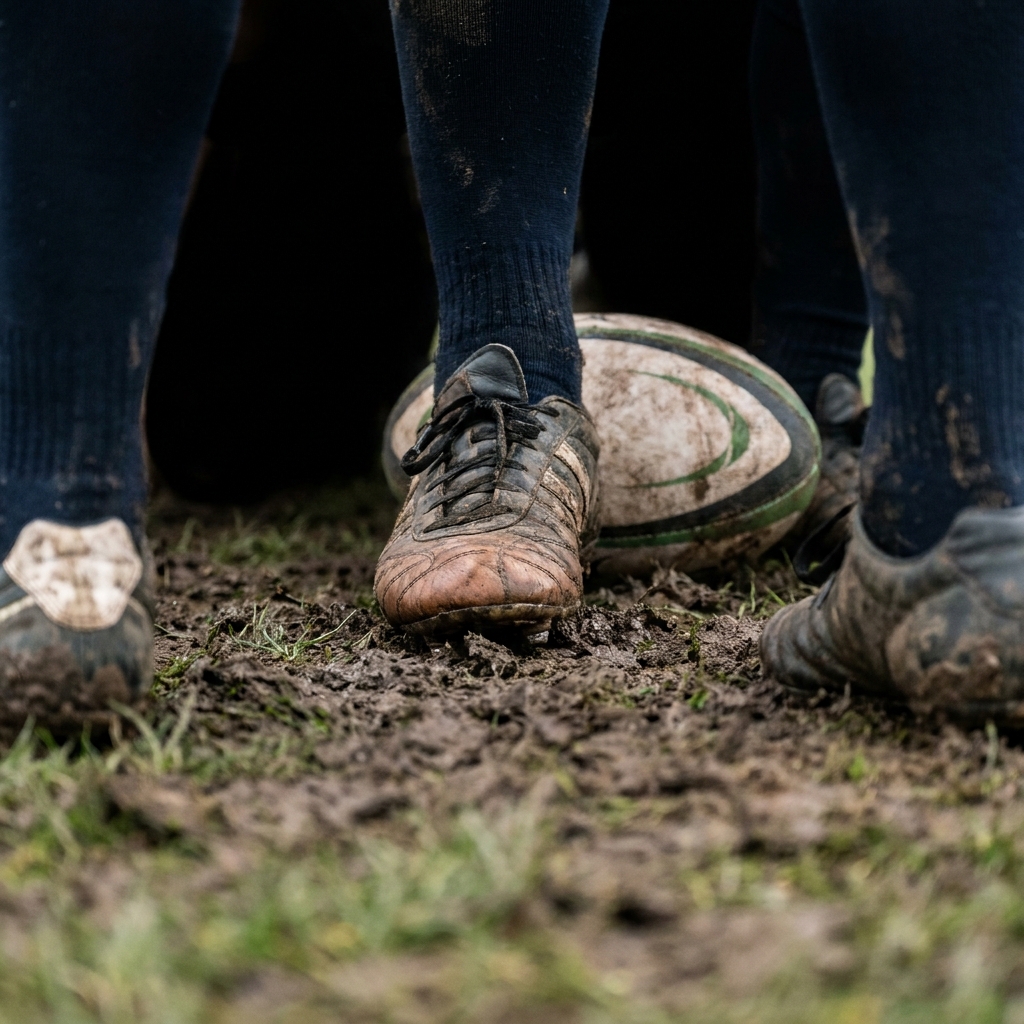
The hooker's brake foot moved from trial into full law in July 2026. Here is how to coach it so your front row stays stable, legal and safe.
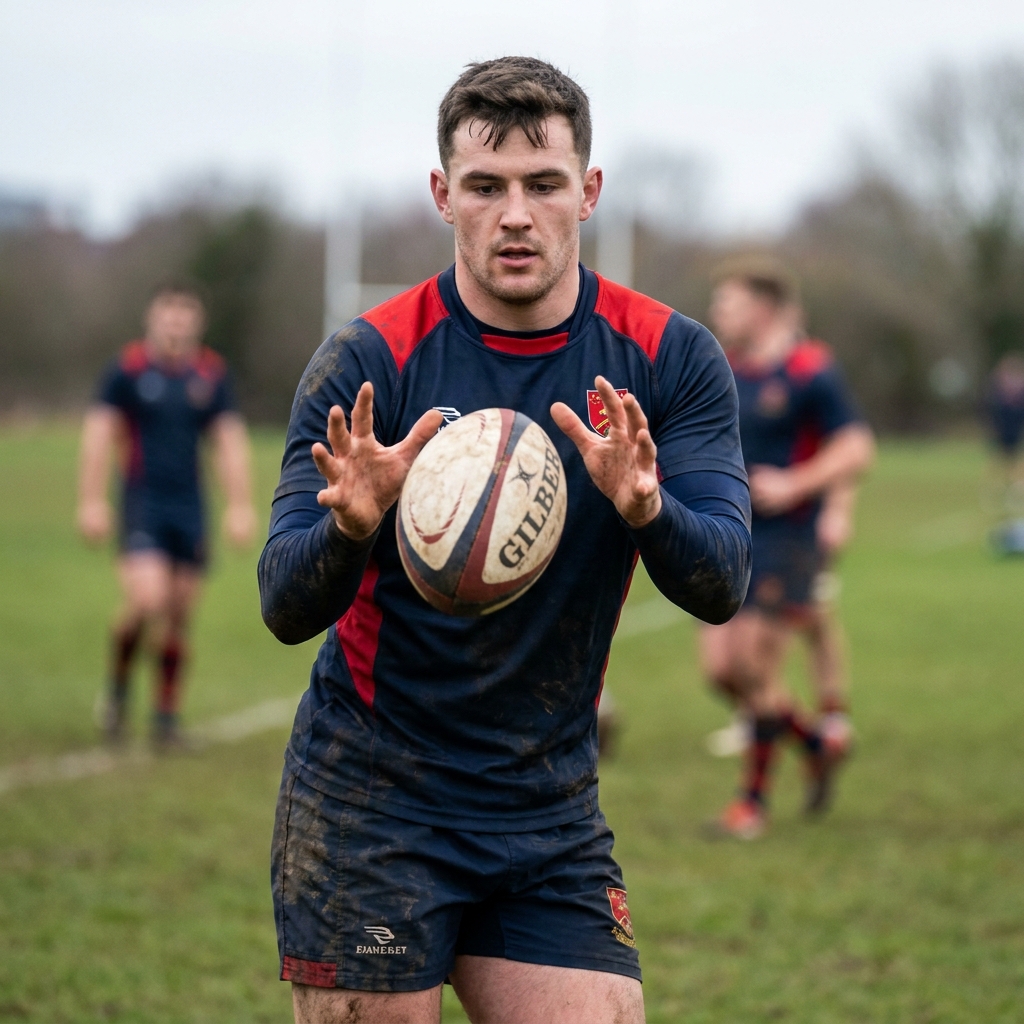
Your players can pass beautifully in a warm-up grid. Then a defender closes, their lungs are burning, and the ball goes to ground. Here is how to build catch-pass skills that hold up when it matters.