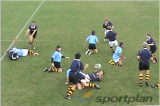
Set Up
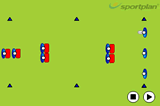
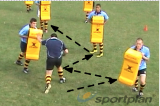
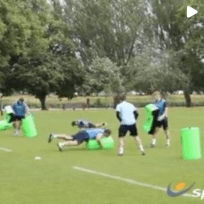
3 sets of 2 defenders each with 2 tackle bags placed 10m apart down 15m x 30m channel - 3 attackers
Attacker with ball in centre with 2 support players set 5m back to left and right. Attack runs at bag using footwork on approach to off set defenders fixes on one defender and smashes through hole
attack carries ball in 2 hands
off loads left or right
receiver repeats on next pair of bags
Ball carrier should fix defender with eye contact and use footwork to open space between defenders
attack the defender not the space
Use footwork to get in close before impact
sink by bending knees slightly and rise after impact. Move into space between defenders with held tightly through collision phase with 2 hands
fingers spread
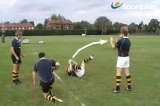
off load immediately with controlled
soft pass flat to support player who cuts a line inward and accelerates onto pass. Repeat down channel ensuring support players realign themselves with depth.

in more ways than one
 sportplan_netball

in more ways than one
sportplan_rugby
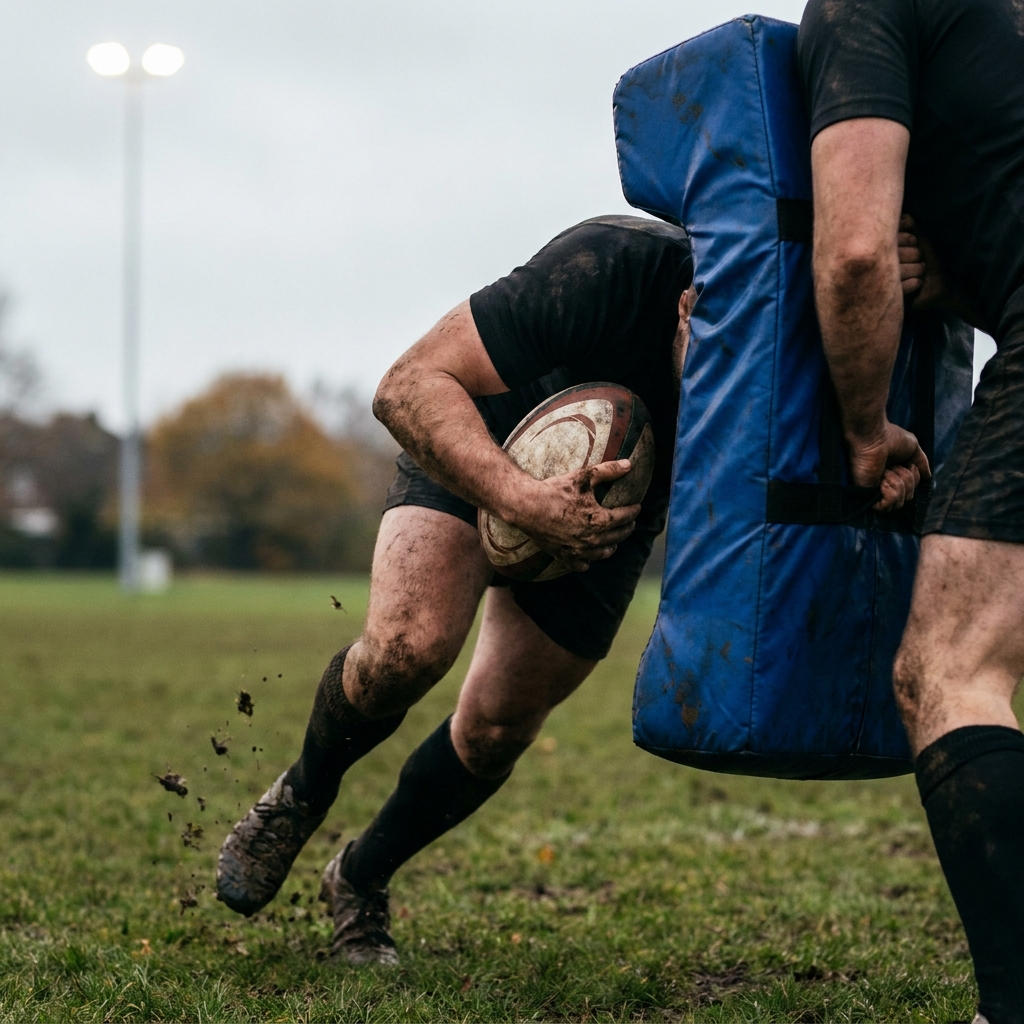
Tacklers are aiming lower, so carriers who dip late put heads at risk. Teach footwork, a strong early body height and leg drive to win the collision safely.
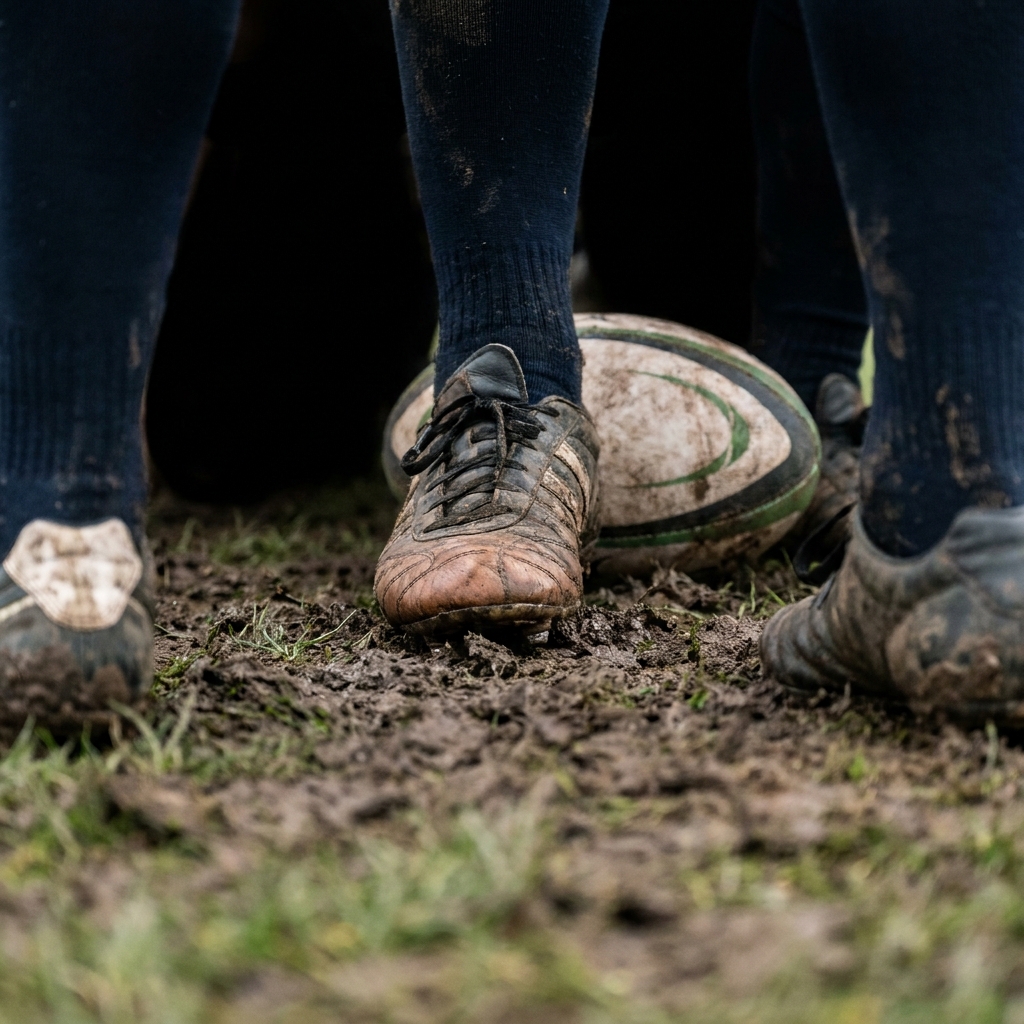
The hooker's brake foot moved from trial into full law in July 2026. Here is how to coach it so your front row stays stable, legal and safe.
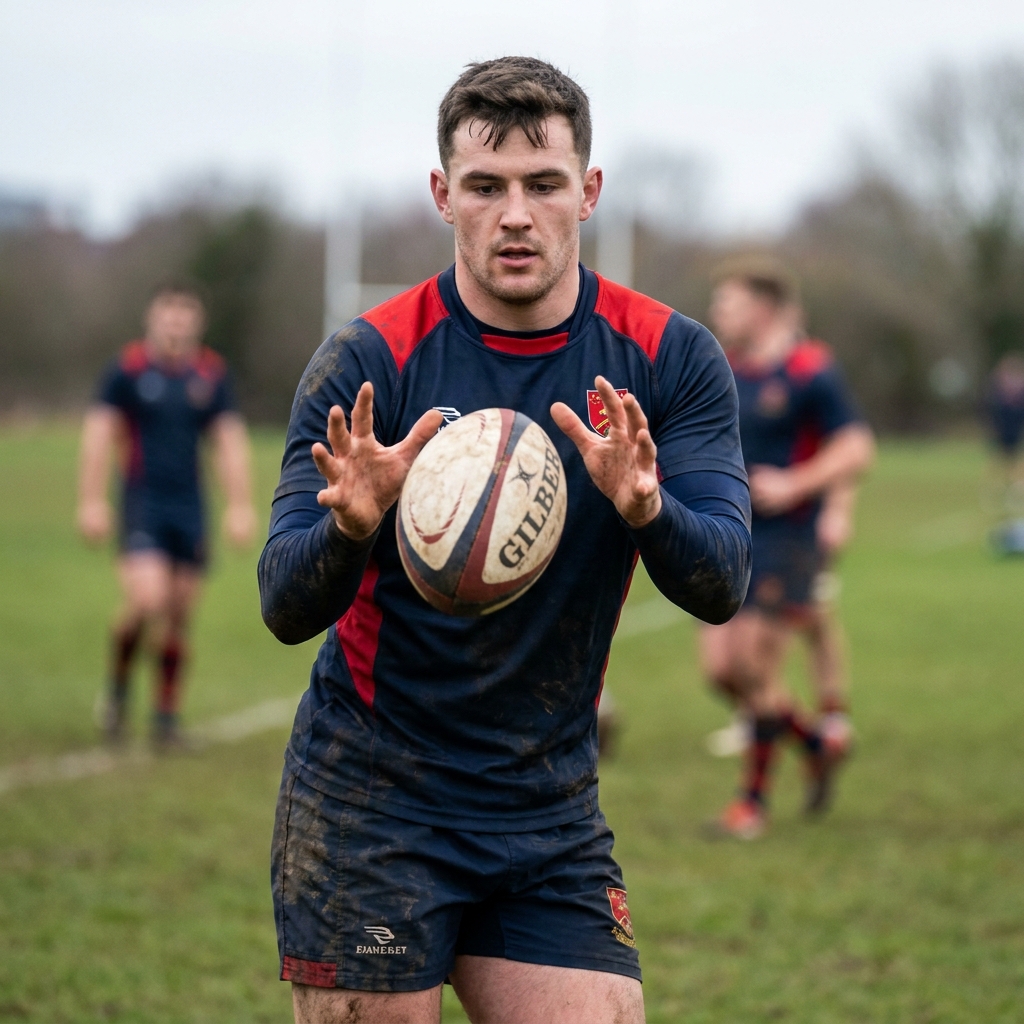
Your players can pass beautifully in a warm-up grid. Then a defender closes, their lungs are burning, and the ball goes to ground. Here is how to build catch-pass skills that hold up when it matters.