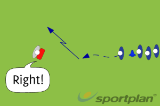
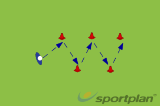
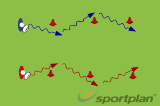
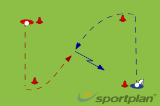
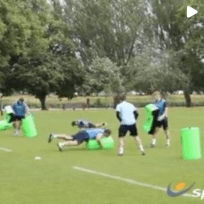
Players line up and approach the pole and evade to a side.
Using shorter strides when they get close, they step to one side with the POWER STRIDE, and off that leg they change direction in the other direction, anything from 30-90 degree angle changes is sufficient.
Weight over power stride leg, pushing hard off that leg to generate speed and power.
Accelerating out of the sidestep
Never approach the pole head on, always come in at a slight angle, even just leaning your body to a side, forcing the defender to move slightly off his base, then Bang off the power stride and away from defender
Head up
Throw weight into it
Keep ball in two hands until you've picked a side, then transfer, release other arm for the fend.

in more ways than one
 sportplan_netball

in more ways than one
sportplan_rugby
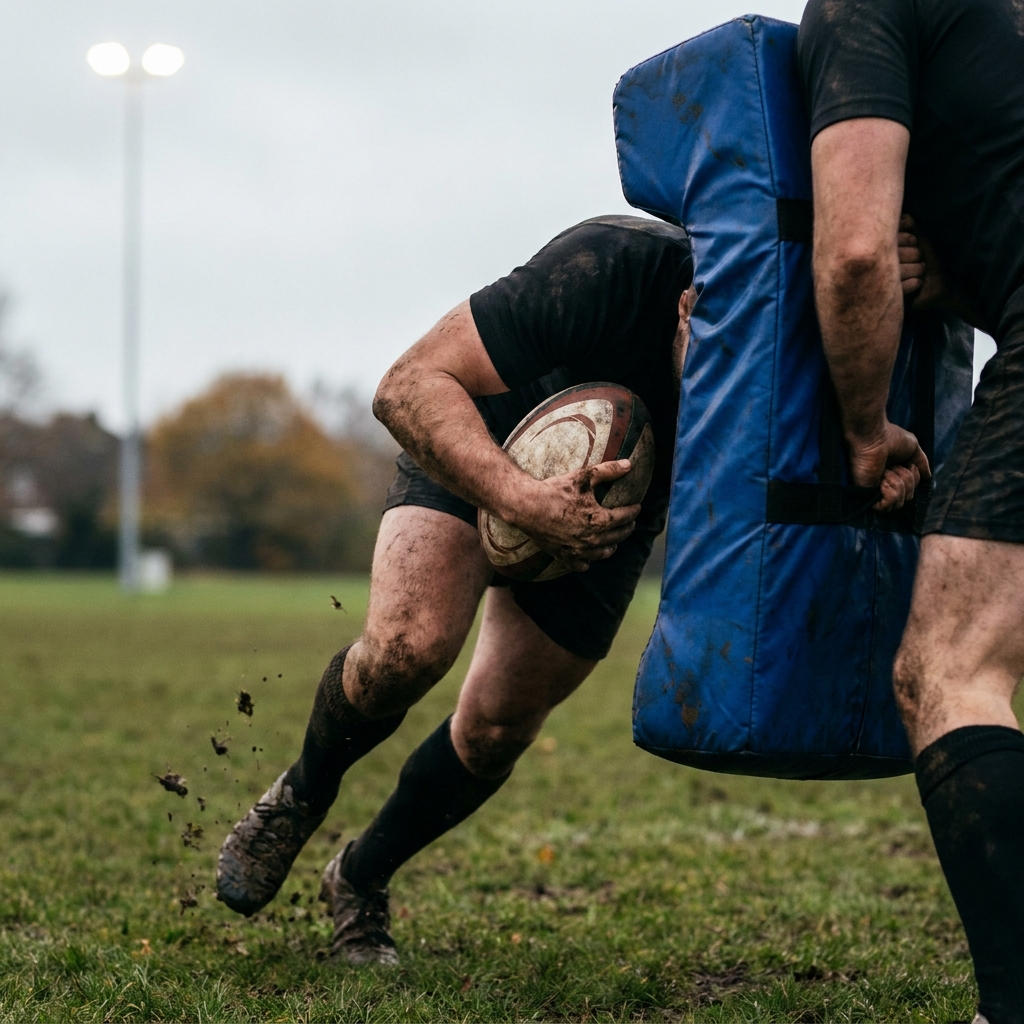
Tacklers are aiming lower, so carriers who dip late put heads at risk. Teach footwork, a strong early body height and leg drive to win the collision safely.

The hooker's brake foot moved from trial into full law in July 2026. Here is how to coach it so your front row stays stable, legal and safe.
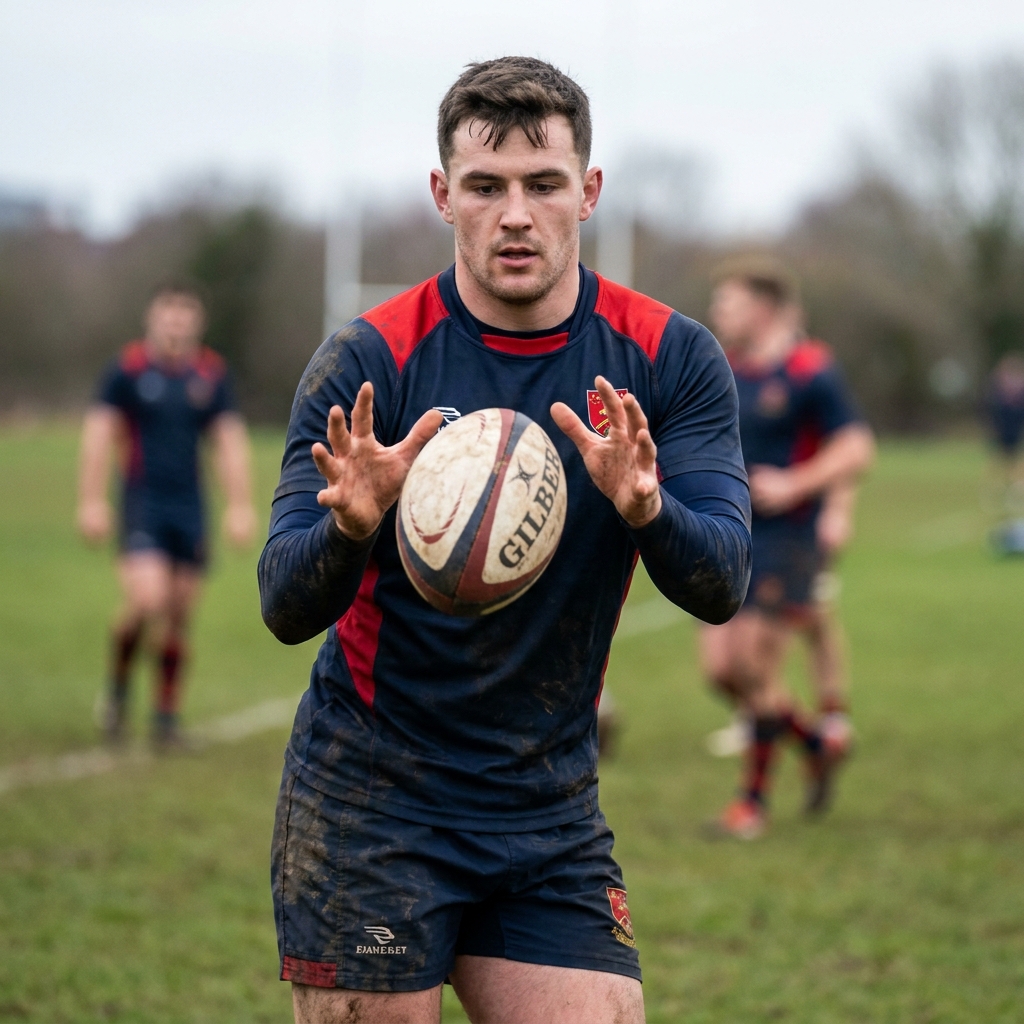
Your players can pass beautifully in a warm-up grid. Then a defender closes, their lungs are burning, and the ball goes to ground. Here is how to build catch-pass skills that hold up when it matters.