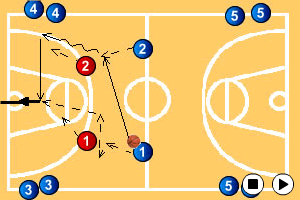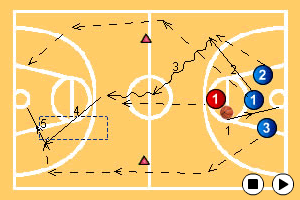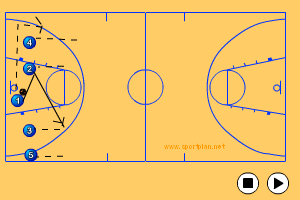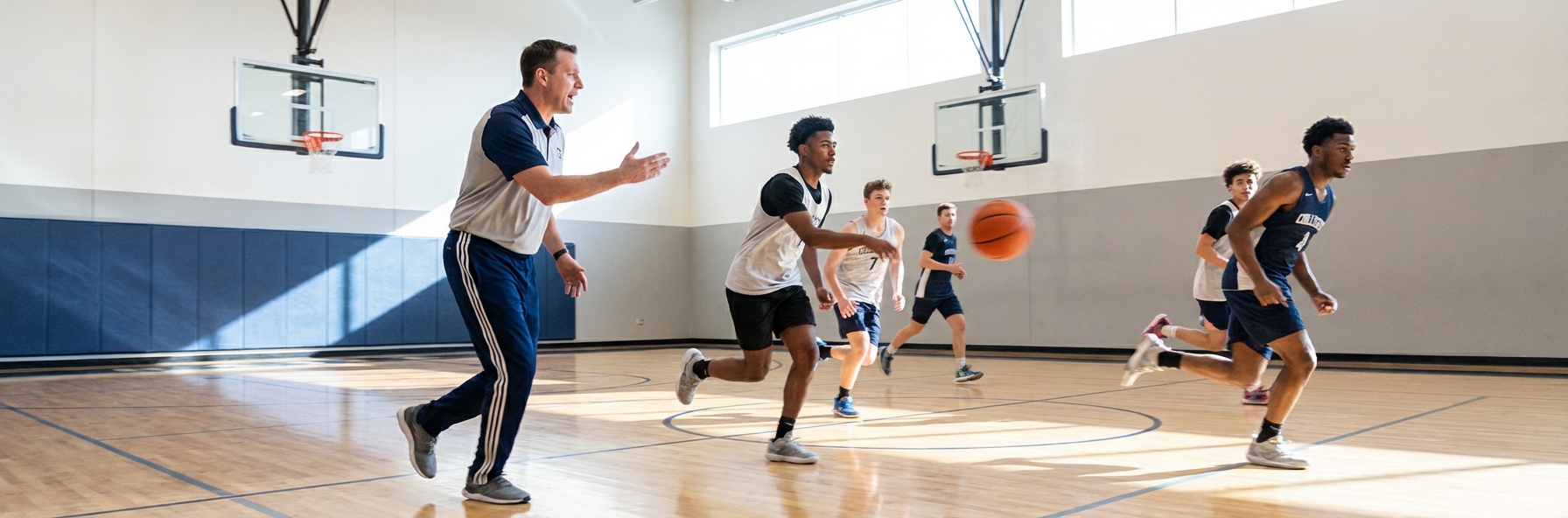
The easiest points in basketball come in transition. Before defences are set, before matchups are established, the attacking team has advantages. Great teams maximize these opportunities through philosophy, structure, and conditioning.
Transition Philosophy
Effective transition starts with mindset:
Run on everything: Rebounds, made baskets, turnovers - players must run regardless of outcome.
Push the pace: The ball should move up the floor quickly. Walking it up concedes the advantage.
Attack early: Good shots in transition beat great shots in the half court.
Fill lanes: Players must run to specific spots, creating passing options and spacing.
Primary Break
The initial push for easy baskets:
Outlet pass: Quick pass to a guard after securing the rebound. Every second matters.
Middle lane: Ball handler attacks the center of the floor, drawing defence and creating options.
Wing lanes: Runners fill wide lanes, staying wide until cutting to the basket.
Rim runner: One player sprints directly at the basket, creating layup or lob opportunities.
Trailer: A player trails the break, providing an outlet if the primary break is stopped.
Secondary Break
When the primary break doesn't produce:
Early offense: Attack before the defence is fully set but after the primary break fails.
Flow into half court: Seamless transition from secondary break into offensive sets.
Keep pressure: Don't let the defence off the hook by slowing down unnecessarily.
Decision Making
Reading the defence determines the best action:
Numbers advantage: 3-on-2 or 2-on-1 should produce layups. Don't settle for jumpers.
Matched up: When the defence recovers, pull out and run offense.
Trailing shooter: If the primary break is stopped, kick to trailers for open threes.
Transition Defence
Great transition teams also stop transition:
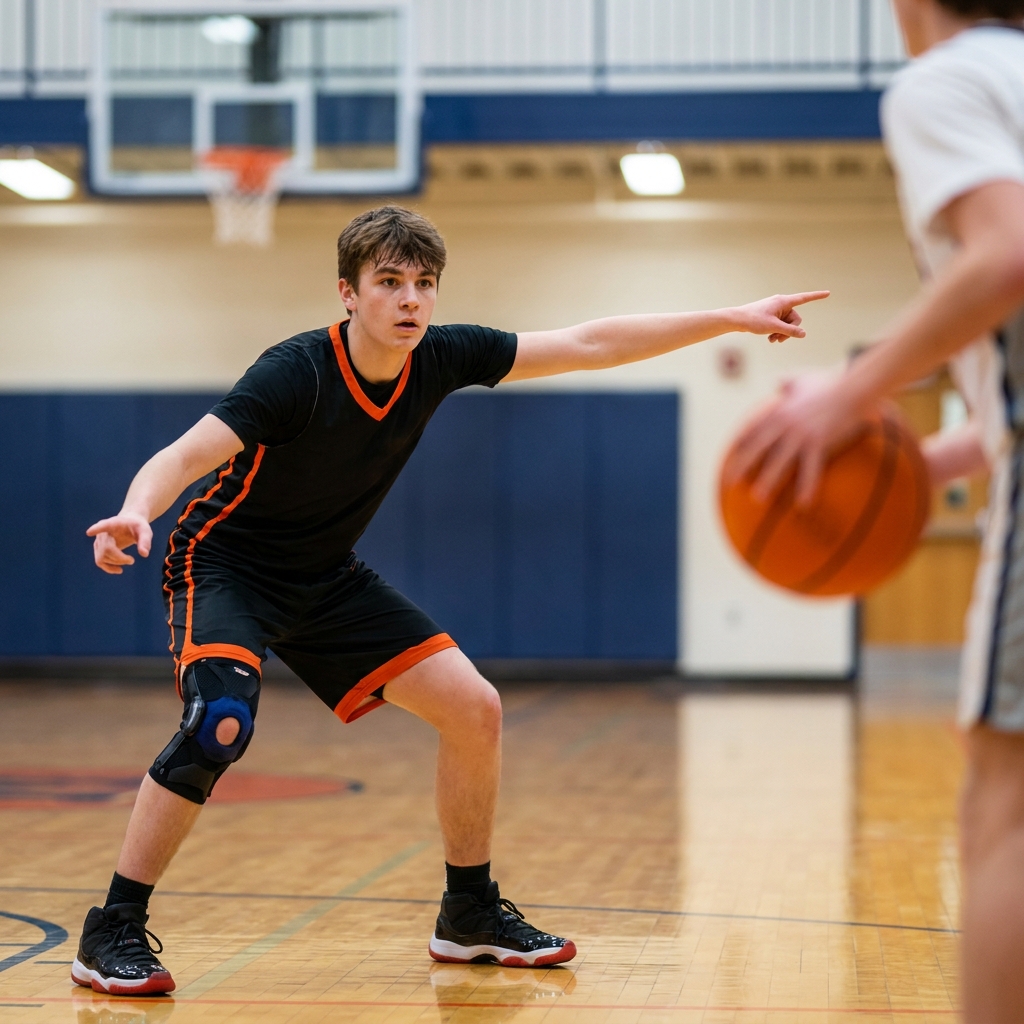
Sprint back: After shots or turnovers, defensive mindset activates immediately.
Protect the paint: Get below the ball and stop layups first.
Find shooters: Once the paint is protected, locate and close out to shooters.
Match up and communicate: Establish defensive assignments quickly.
Conditioning Requirements
Transition basketball demands fitness:
Repeated sprints: The ability to run hard possession after possession.
Recovery: Quickly regaining readiness between sprints.
Mental stamina: Running hard even when tired, especially late in games.
Key Coaching Points
- Transition mindset must be constant - run on every change of possession
- Fill lanes wide, attack the middle, sprint the rim
- Numbers advantages should produce layups, not jumpers
- Secondary break maintains pressure when primary break is stopped
- Conditioning enables transition play - you can't run if you're tired