The Coaching Problem
Young players watch NBA highlights and want to shoot threes. They step back, heave the ball with both hands, and develop shooting habits that will take years to correct. Their percentage is terrible, but they keep shooting because occasionally one goes in.
The solution isn't banning three-point shots - it's building proper form first. Form shooting, done correctly and consistently, builds the muscle memory that makes all other shooting possible.

Why Form Shooting Matters
Muscle Memory
The body learns through repetition. Perfect repetitions build perfect habits. Form shooting, done close to the basket with proper technique, programs the correct movement pattern into the nervous system.
Confidence
Success breeds confidence. Shooting from two feet away means high success rates. Players feel good about their shooting, which transfers to longer distances later.
Diagnosis
When shooting from close range, flaws are obvious. The ball either goes straight in or it doesn't. There's no "almost made it from 20 feet" to mask poor technique. Problems are visible and correctable.
The BEEF Method
The classic acronym remains the clearest framework for shooting form:
B - Balance
Feet shoulder-width apart, knees slightly bent, weight on the balls of the feet. The shooting foot slightly ahead of the non-shooting foot. Everything stable before the shot begins.
E - Eyes
Eyes on the target - usually the back of the rim or the centre of the basket. Eyes stay on target through the entire shot. No watching the ball in flight.
E - Elbow
Elbow under the ball, forming a 90-degree angle. The elbow stays in, not flared out. This creates a straight line from the ball to the target.
F - Follow-through
Fingers pointing down at the basket after release, wrist relaxed, arm extended. Hold the follow-through until the ball reaches the basket. "Reach into the cookie jar" is a useful image.

The One-Hand Progression
Stage 1: One-Hand Form Shots
Shooting hand only, no guide hand. Stand 2-3 feet from the basket. Focus entirely on elbow alignment, wrist snap, and follow-through. 50+ makes before adding the guide hand.
Stage 2: Add the Guide Hand
Guide hand on the side of the ball for balance only - it doesn't push. The shooting hand does all the work. The guide hand leaves the ball before release.
Stage 3: Full Form Shot
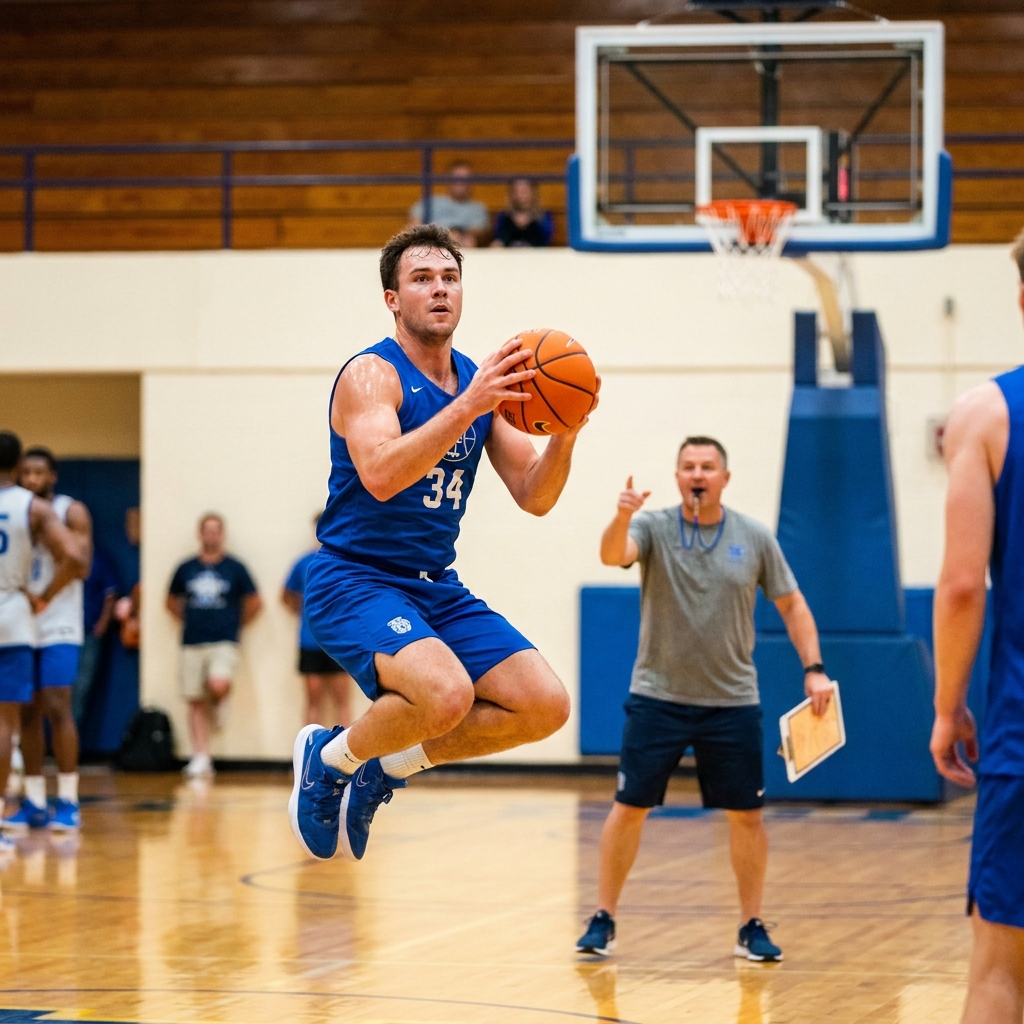
Complete shooting motion from 5-6 feet. Add the leg drive that generates power. Still no movement, no dribble - just catch and shoot with perfect form.
Stage 4: One Dribble Pull-Up
Add one dribble before the shot. Maintain form despite the movement. The form established in stages 1-3 must survive the addition of complexity.
Common Form Mistakes and Fixes
- Two-hand push: The guide hand is pushing, not guiding. Go back to one-hand form shots until the shooting hand is dominant.
- Elbow out: The shooting arm is making a "chicken wing". Use a wall to force the elbow in - stand next to a wall and shoot without touching it.
- No follow-through: The hand drops immediately after release. Have players hold their follow-through for a count of two after every shot.
- Jumping forward: Players are fading or drifting on their shot. Practice shooting with their back foot against a wall - any drift is immediately obvious.
- Thumb flick: The thumb of the guide hand is pushing at release, creating side spin. Tape the thumb down temporarily to break the habit.

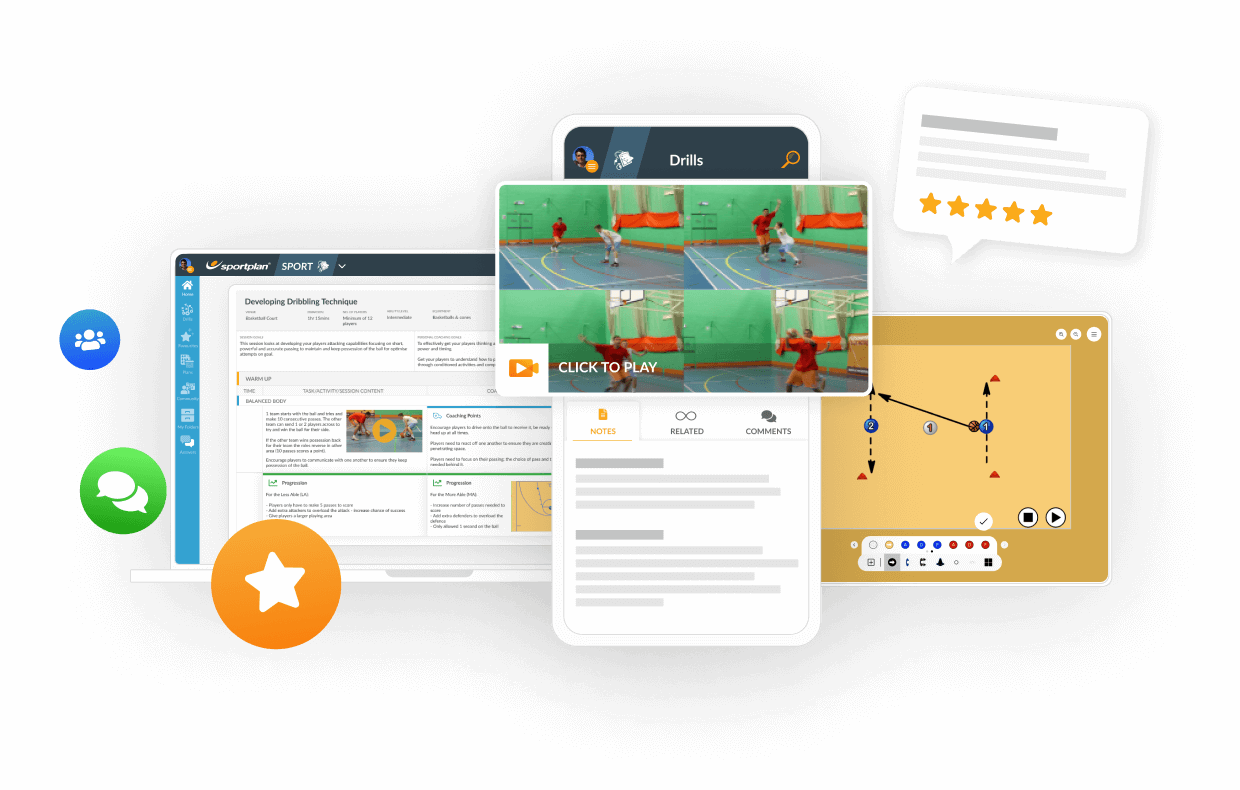
Recommended Drills


Age-Appropriate Adjustments
- Ball size: Use size 5 for U10, size 6 for U12-U14, size 7 for U15+. Oversized balls force bad habits.
- Hoop height: 8 feet for U8, 9 feet for U10, regulation 10 feet from U12. Lower hoops allow proper form without strength limitations.
- Distance: All shooting starts close. Only move back when form is consistent. There's no age where three-pointers should be prioritised over form work.
- Repetitions: Younger players need shorter, more frequent form work. 5 minutes at the start of every session beats 30 minutes once a week.
Frequently Asked Questions
How close should beginners start?
As close as needed to make 8 out of 10 shots with proper form. For young players, this might be 2-3 feet from the basket. Distance increases only when form is consistent.
How many reps per session?
Quality over quantity. 50 perfect form shots beats 200 rushed ones. Start with 30-50 form shots at the beginning of every practice and build from there.
When do you move further out?
When the player can make 8/10 consistently with good form from the current distance. Progress in small steps - one foot at a time. Never sacrifice form for distance.
What about players who already have bad habits?
Go back to basics. One-hand form shots from close range. It will feel awkward and their percentage might drop initially, but rebuilding from a solid foundation is faster than patching broken mechanics.