The receiving team only gets points for tooling the block – and the tool can’t be playable on the other side of the net – or by covering a blocked ball and then getting a kill.
Covering the block is one of the important little things that great volleyball players do every single time. When you’re well-positioned to bring a ball up after your teammate has been blocked, it can lead to many extra point opportunities during the course of a match.
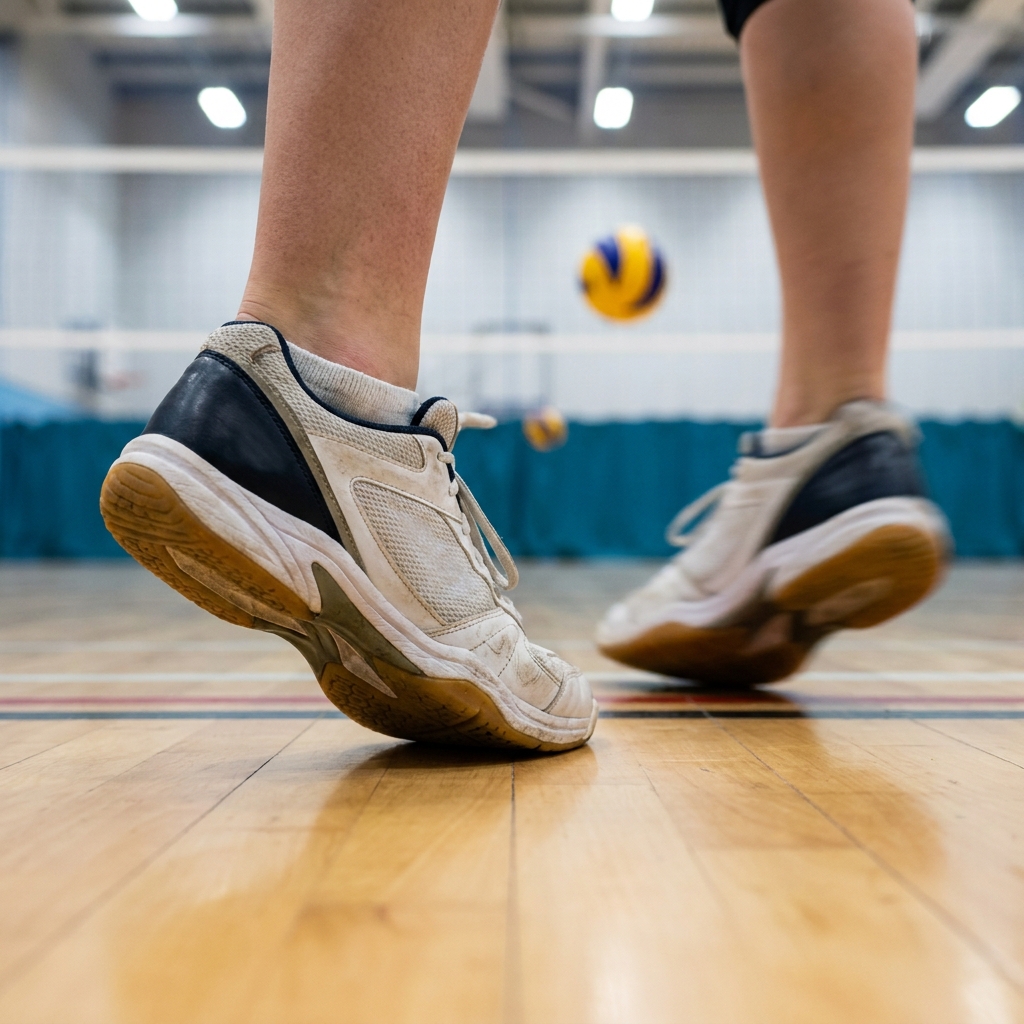
New hitters rarely miss because of their arm. They miss because of their feet. Build a reliable approach, then time it with your setter.
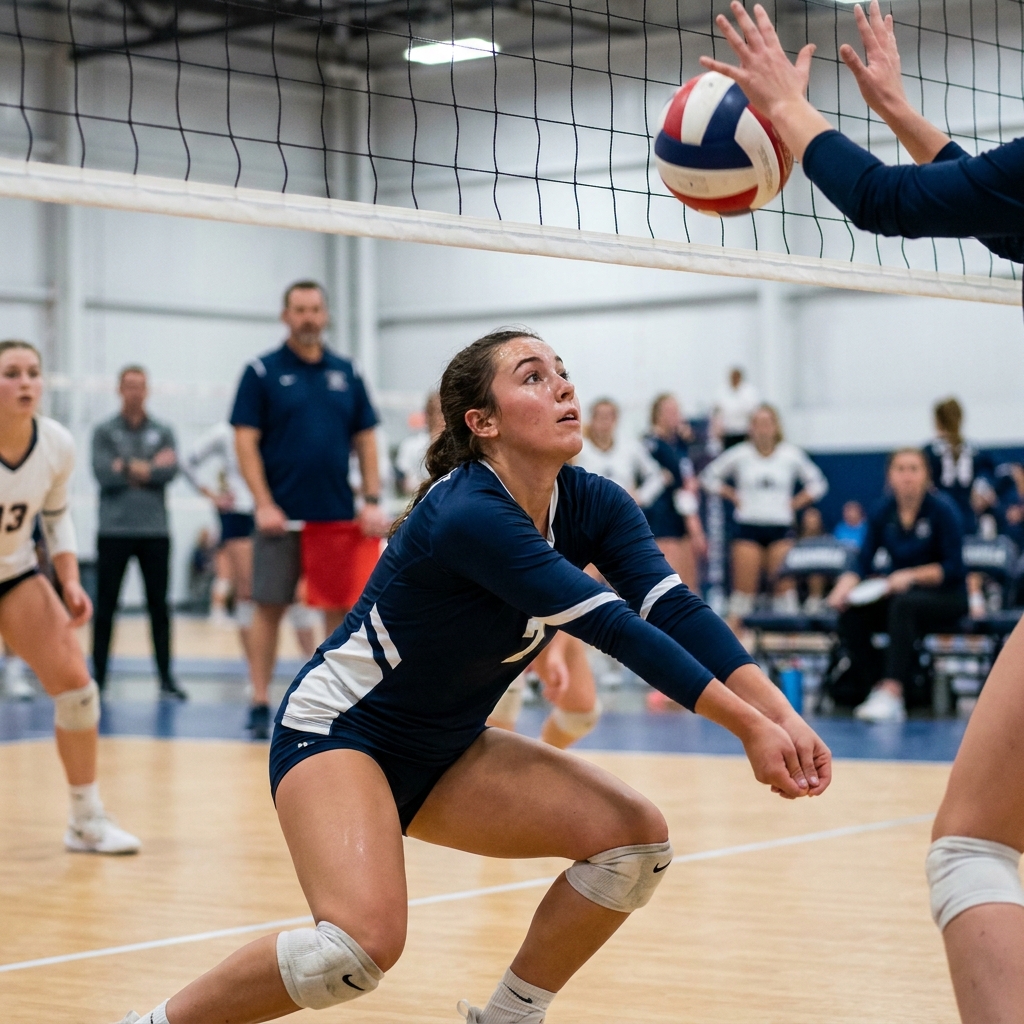
When your hitter gets stuffed, five teammates standing and watching is how you lose the point. Good attack coverage turns a blocked ball into a second swing.
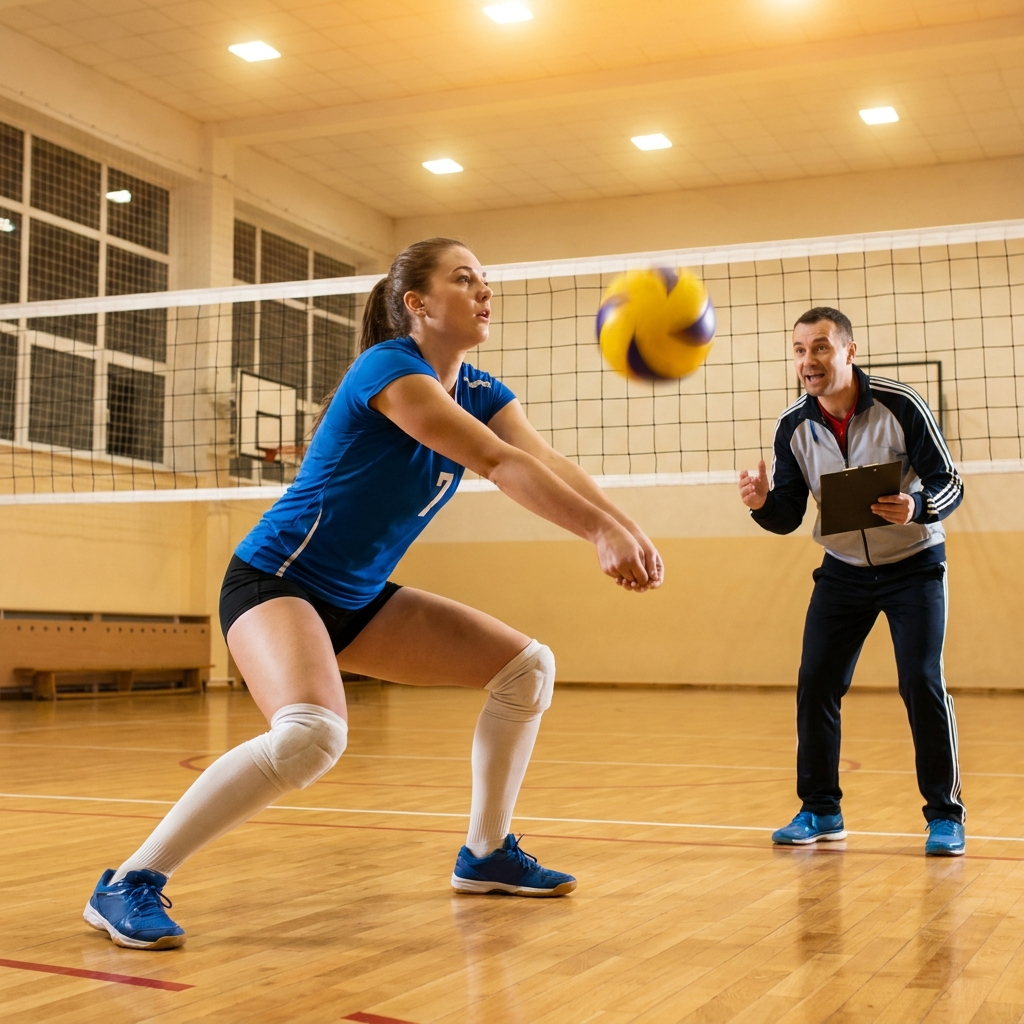
Coaches spend hours correcting arms in serve receive when the real fault is almost always the feet. Fix the movement and the platform fixes itself.


Register for FREE and get coaching tips, top drills, session and more every week!