1. The players will gather around the coach as shown below. The coach will have on his/her racquet, one ball less than the total amount of players. So for 5 kids, the coach will have 4 balls.
2. The kids will yell asteroids, and upon which the coach will throw the balls up in the air off his/her strings – the balls will naturally fly off in different directions.
3. It will then be a race for all the kids to get a ball each. One child will miss out.
4. That child will miss out on the next turn, and will get to call out Asteroids. They will replace the next person who gets out.
Just before finishing this tennis game, the coach can do a last-player-standing competition where there will be a winner declared. Each time a new round begins, the coach will have to take one more ball off his/her racquet.
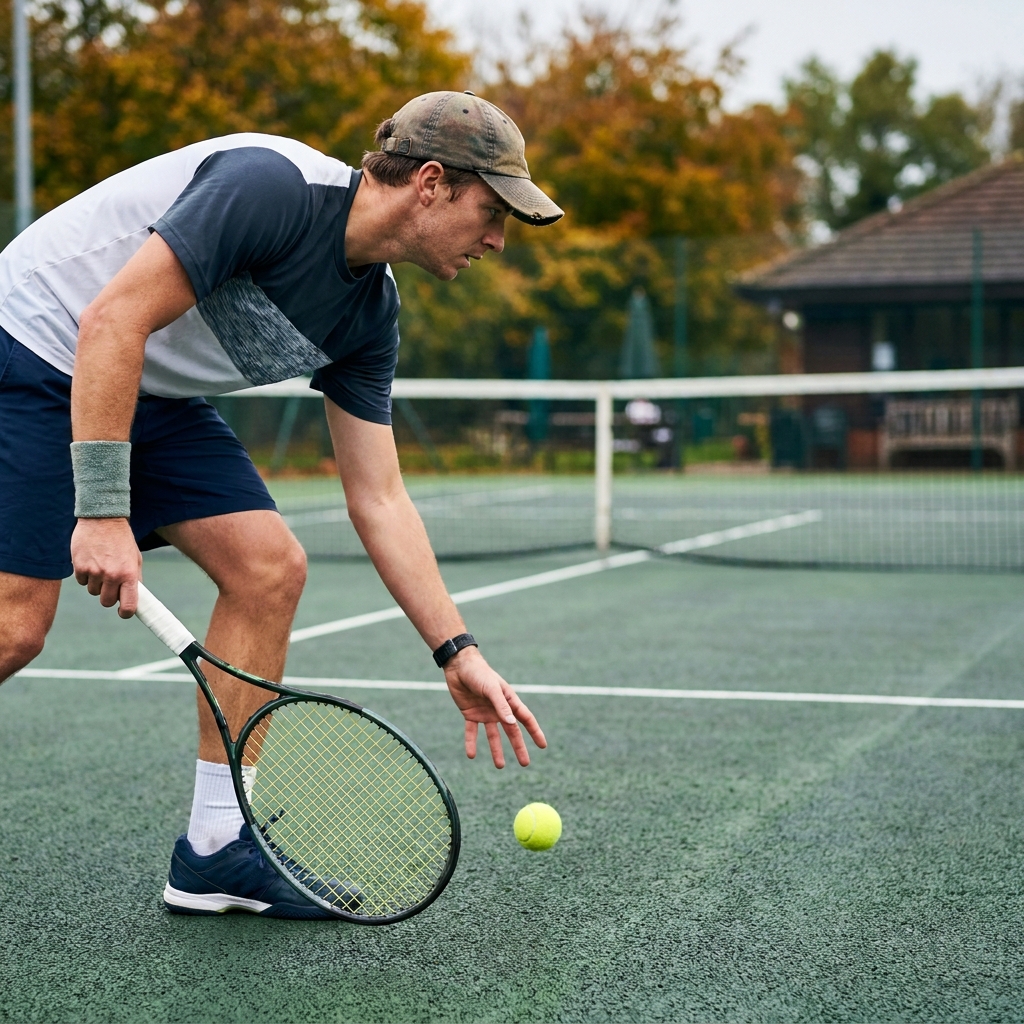
A tiebreak is a short sprint where every point is worth the same as a break of serve. The players who win them are rarely the ones who hit hardest. Here is how to coach the patterns, habits and scoreboard thinking that win the big points.
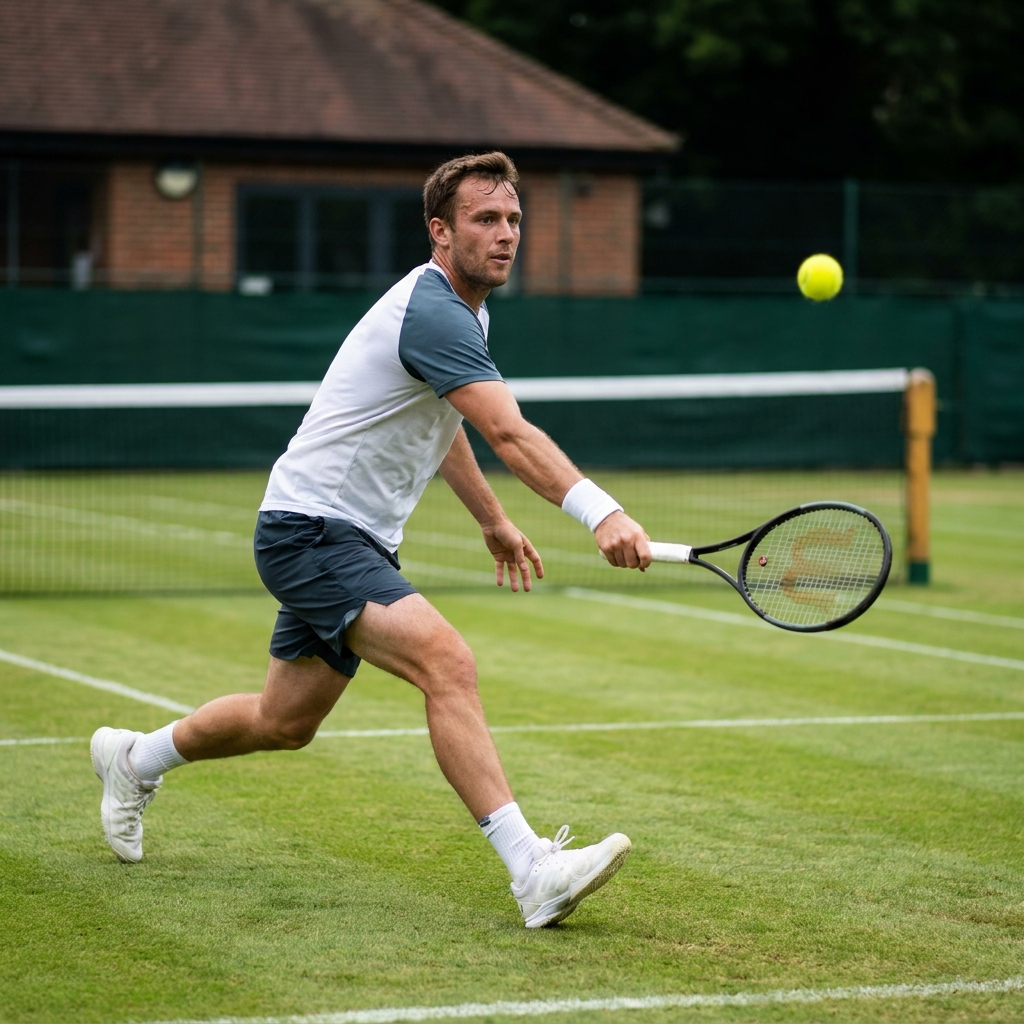
Most club players practise the serve on its own and then have no idea what to do with the ball that comes back. Serve plus one is the pattern that turns a good serve into a won point.
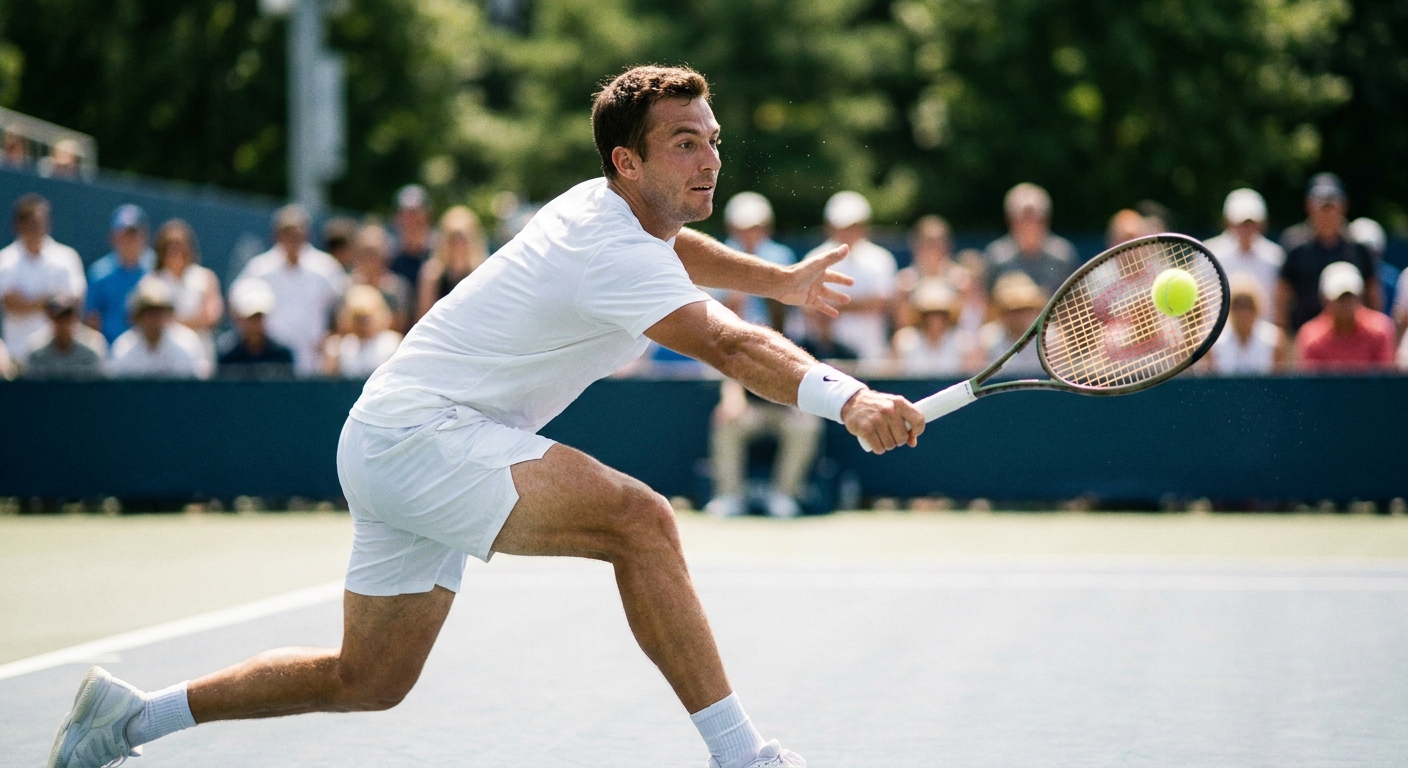
Wimbledon has just crowned another champion, and if you watched closely you saw the same thing every year: the best returners quietly won the tournament. Here is how to coach a return that pressures the server rather than just surviving it.


Register for FREE and get coaching tips, top drills, session and more every week!