Tennis is the game of pressure so the more pressure a player puts on this weakness with, the more they have a chance to quickly dominate the rival.
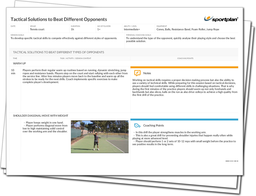
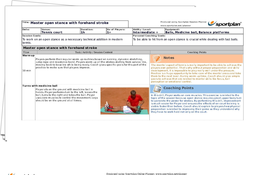
All players have strengths and weaknesses but some opponents struggle a lot with specific strokes. Discovering this weakness and putting pressure on it is a successful strategy that should be applied against a player with visible technical deficiencies.
On the other hand, consistent players try to force opponents to make unforced errors and their main job is to keep the rally as long as possible. They are solid from the baseline and mostly their forehands and backhands are at the same level. They are patient and don?t like to take the initiative during the point. Tactically putting pressure on them with calculated attacking shots is vital to overcome them.
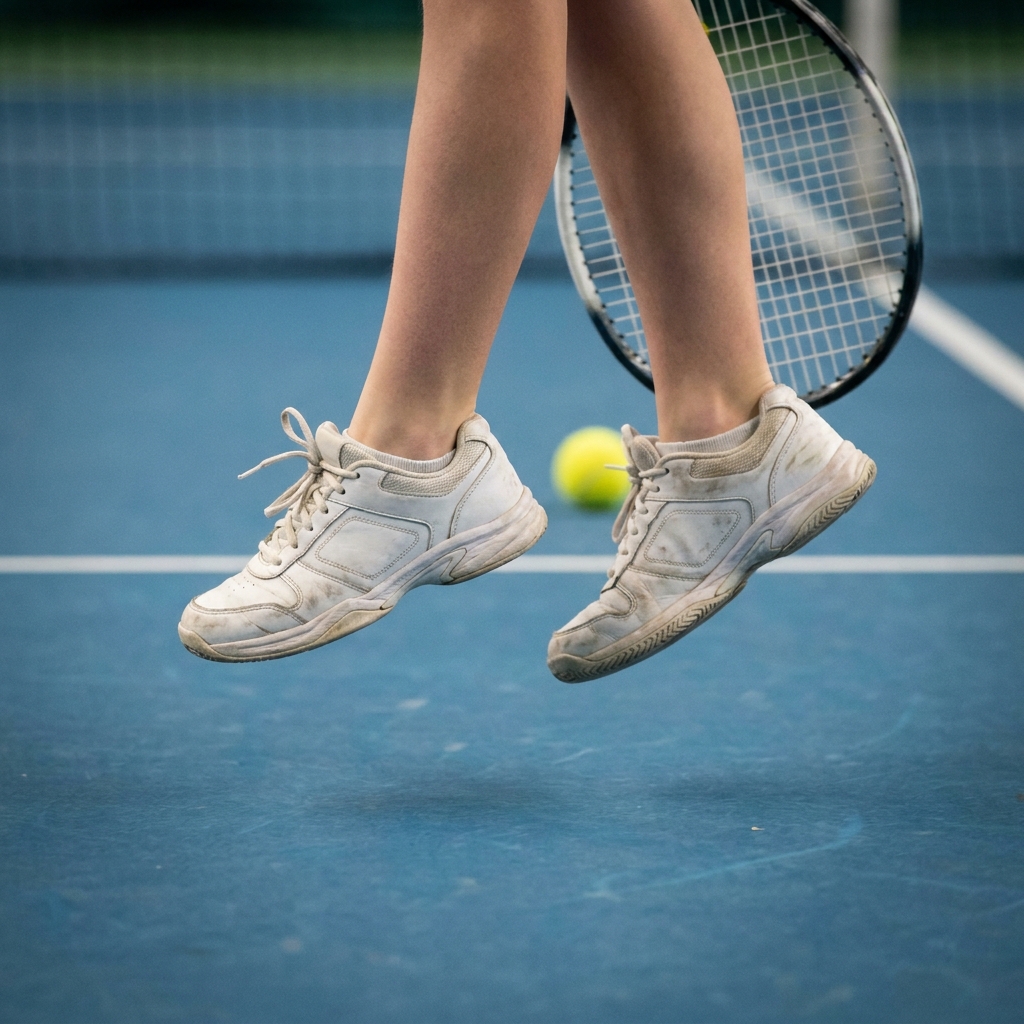
Indoor courts give players less time and less room. Help them sharpen their split step, shorten their swing and stay calm, and winter becomes a season of real progress.

A tiebreak is a short sprint where every point is worth the same as a break of serve. The players who win them are rarely the ones who hit hardest. Here is how to coach the patterns, habits and scoreboard thinking that win the big points.
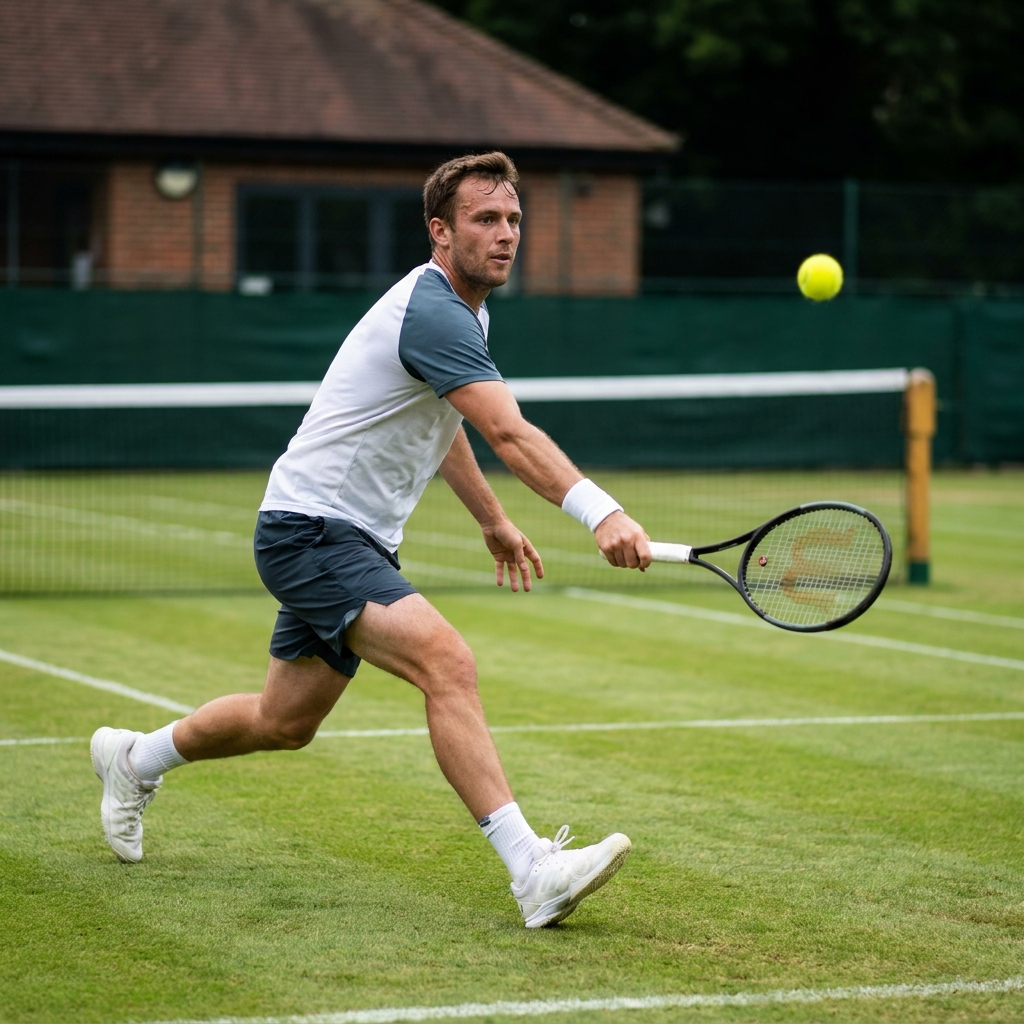
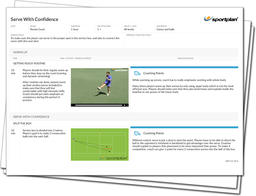
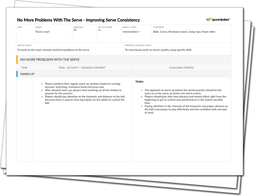
Most club players practise the serve on its own and then have no idea what to do with the ball that comes back. Serve plus one is the pattern that turns a good serve into a won point.


Register for FREE and get coaching tips, top drills, session and more every week!