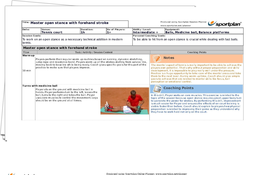
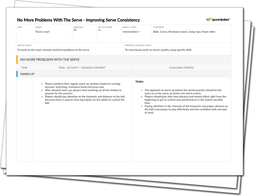
Use this plan to teach your players a variety of returns they can use during Doubles Play.
Strategy, communication and understanding are key elements needed for a successful doubles pairing - this can only be learnt over time and through practice, so the more time your players get to work together the better for their doubles game.
What's in the Session?
To develop your players' doubles game we get players to move to the ball and take responsibility for their side of the court - to do this players start on their own, working within a quarter area of the court. As the session progresses we get players pairing up for the final conditioned game which rewards both process (skillful shot play) and outcome goals (winning the point)!
Tennis is a young man's game. Until you're 25, you can play singles. From 25 to 35, you should play doubles. I won't tell you exactly how old I am, but when I played, there were 28 men on the court - just on my side of the net.
George Burns
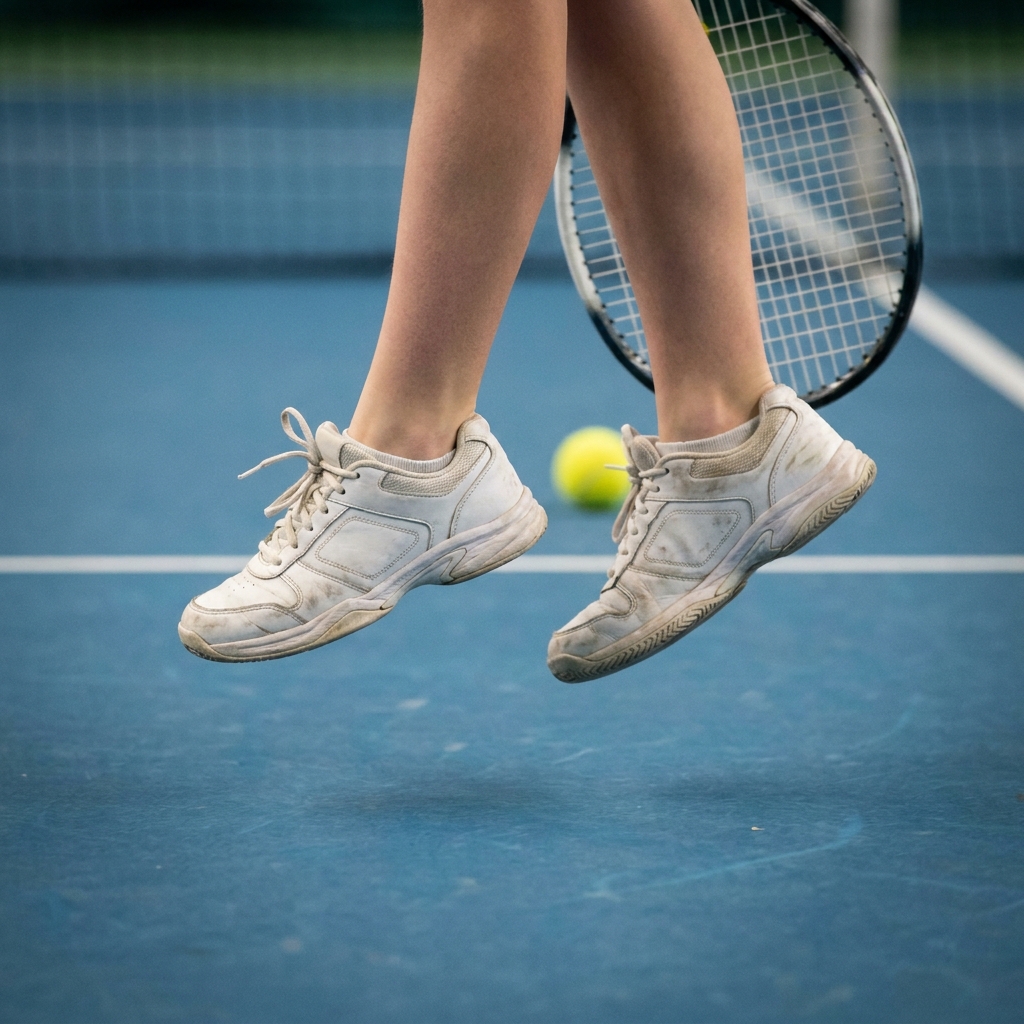
Indoor courts give players less time and less room. Help them sharpen their split step, shorten their swing and stay calm, and winter becomes a season of real progress.

A tiebreak is a short sprint where every point is worth the same as a break of serve. The players who win them are rarely the ones who hit hardest. Here is how to coach the patterns, habits and scoreboard thinking that win the big points.
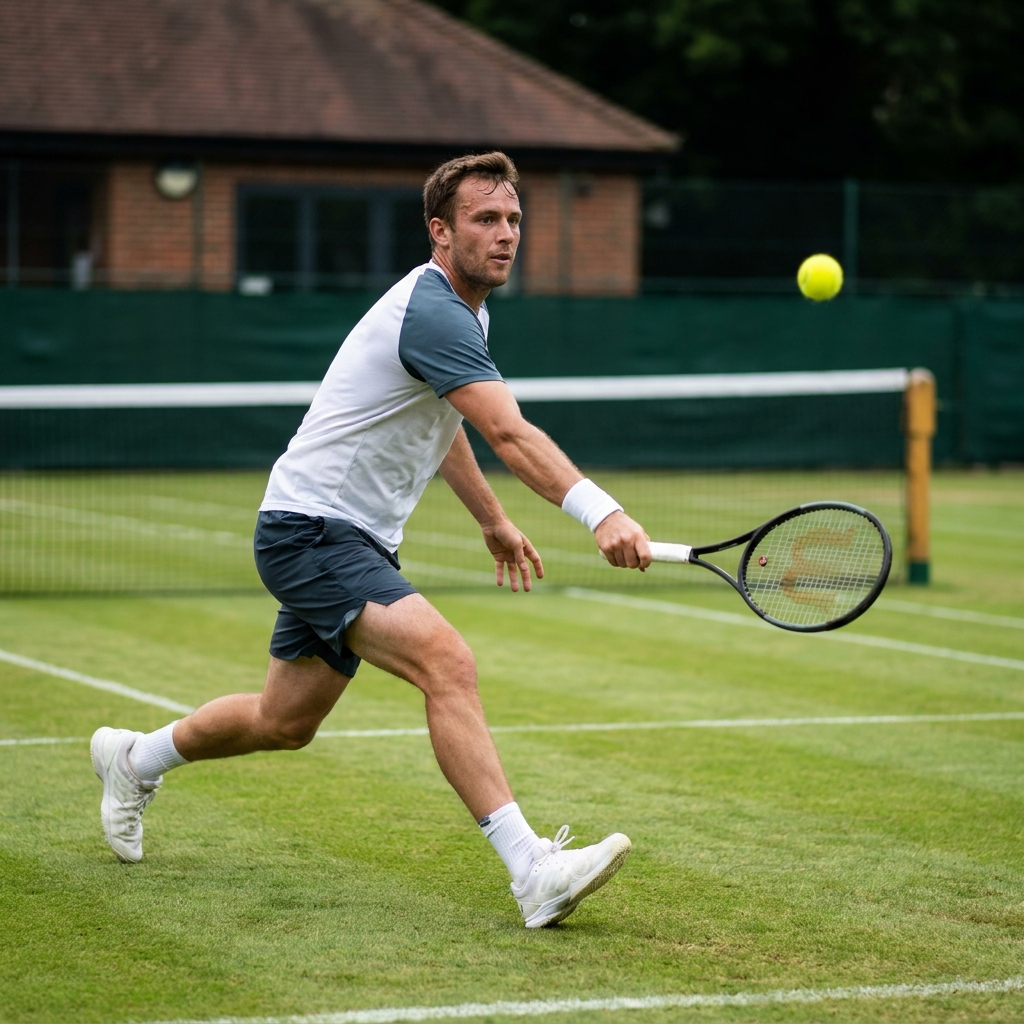
Most club players practise the serve on its own and then have no idea what to do with the ball that comes back. Serve plus one is the pattern that turns a good serve into a won point.


Register for FREE and get coaching tips, top drills, session and more every week!