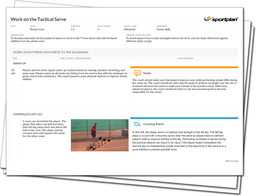
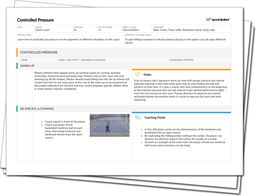
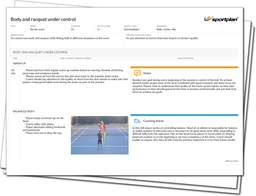
This session will develop both your players’ ability to hit, and understanding of when, to play the down the line shot.
How and when to hit the shot
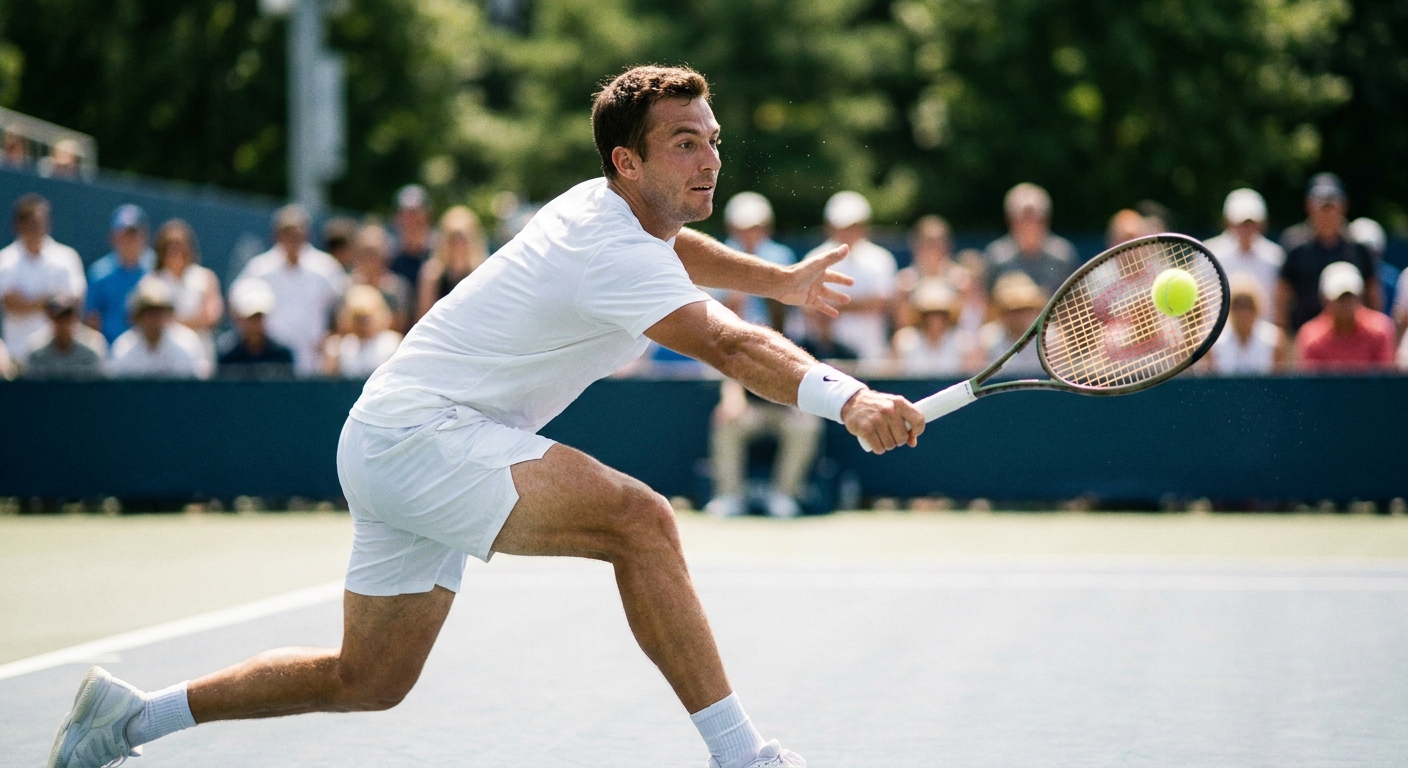
Down the line shots are especially effective on hard surfaces, and can be hit using groundstrokes or volleys from all areas of the court.
Unlike the cross court shot the stroke is hit straight back past the opposition as close to the court sidelines as possible so the drills to make your players aware of the differences by practicing both strokes in a rally so they can see how both compliment each other when played consecutively.
An important part of being successful with the shot is being able to recover and get back into position after hitting a down the line shot (on the opposite side where the ball was hit on baseline; on the same side where the ball was hit at the net)
Reaction and quick footwork are also important physical factors when playing the stroke at the net so the drills work on developing your players’ positional understanding and ability to recover following a shot.
Tactics: pass the player and pinch the point
Mastering the down the line shot will enable your players to counter attack an opposition who likes to get up to the net, such as serve and volley players, and force them to play from the back of the court and disrupt their game plan.
Use the drills to develop your players’ skill at manipulating rallies so they can take advantage of the flaws in an opposition’s technique, or use drop shots and cross court shots to drive a player out of position to hit a point winning down the line stroke.
The drills will also develop your players’ ability to hit a big serve and follow it up with a drop shot return, this way they can take advantage of opposition who hits weak returns after a good first serve, and stay at the baseline trying to get back into a good defensive position.Introducing the shot into your players’ serving pattern will play a major role in developing them as more rounded and skilfull tennis players and reap rewards.
.
Wimbledon has just crowned another champion, and if you watched closely you saw the same thing every year: the best returners quietly won the tournament. Here is how to coach a return that pressures the server rather than just surviving it.
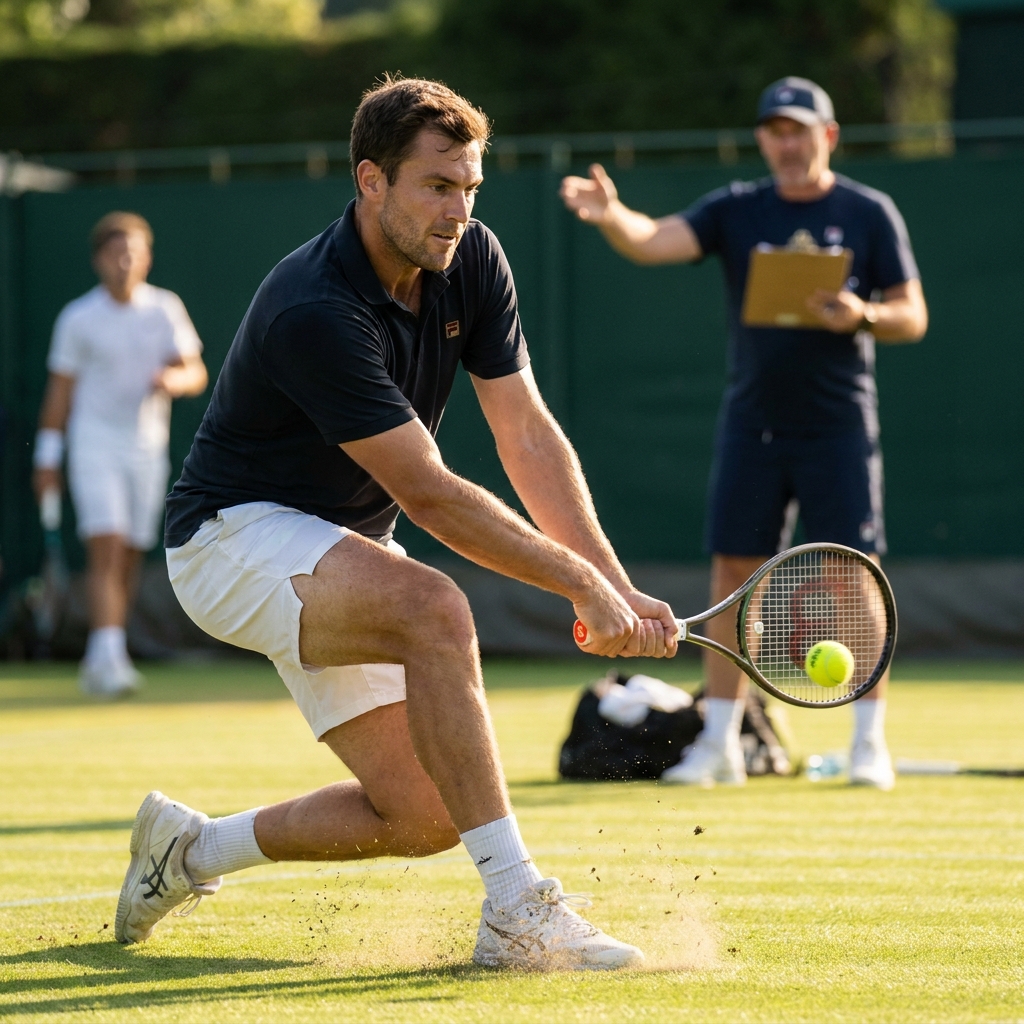
Wimbledon arrives at the end of June and the grass court swing transforms how the game is played. Low bounces, slippery footing, and rewards for forward play demand a different tactical mindset. Here is how to coach it.

With Roland Garros centre stage in May, clay court tennis demands a different toolkit: controlled sliding, longer rallies, and patient point construction. Here is how to coach the surface that humbles power players and rewards craft.


Register for FREE and get coaching tips, top drills, session and more every week!