At the intermediate and advanced levels, little details start to have crucial effects on the quality of the shots and the chances of winning points. The ball comes faster, especially at the net, and the opponents have more tactical skills so players have to develop automatic responses and make sure that they are able to play without too many unforced errors.
What’s in the Session?
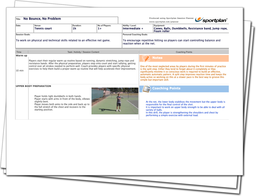
One of the most neglected areas by players during the first minutes of practice is the split step. A split step improves reaction time and keeps the body active so working on this at a slower pace is the best way to groove this simple but important skill.
A lot of players have solid control over the shots at high pace but they completely lack the same control where they have to play touch shots like a drop shot, stop volley or soft slice. Working in a small area helps players to focus more on execution and technical quality instead of acceleration and power.
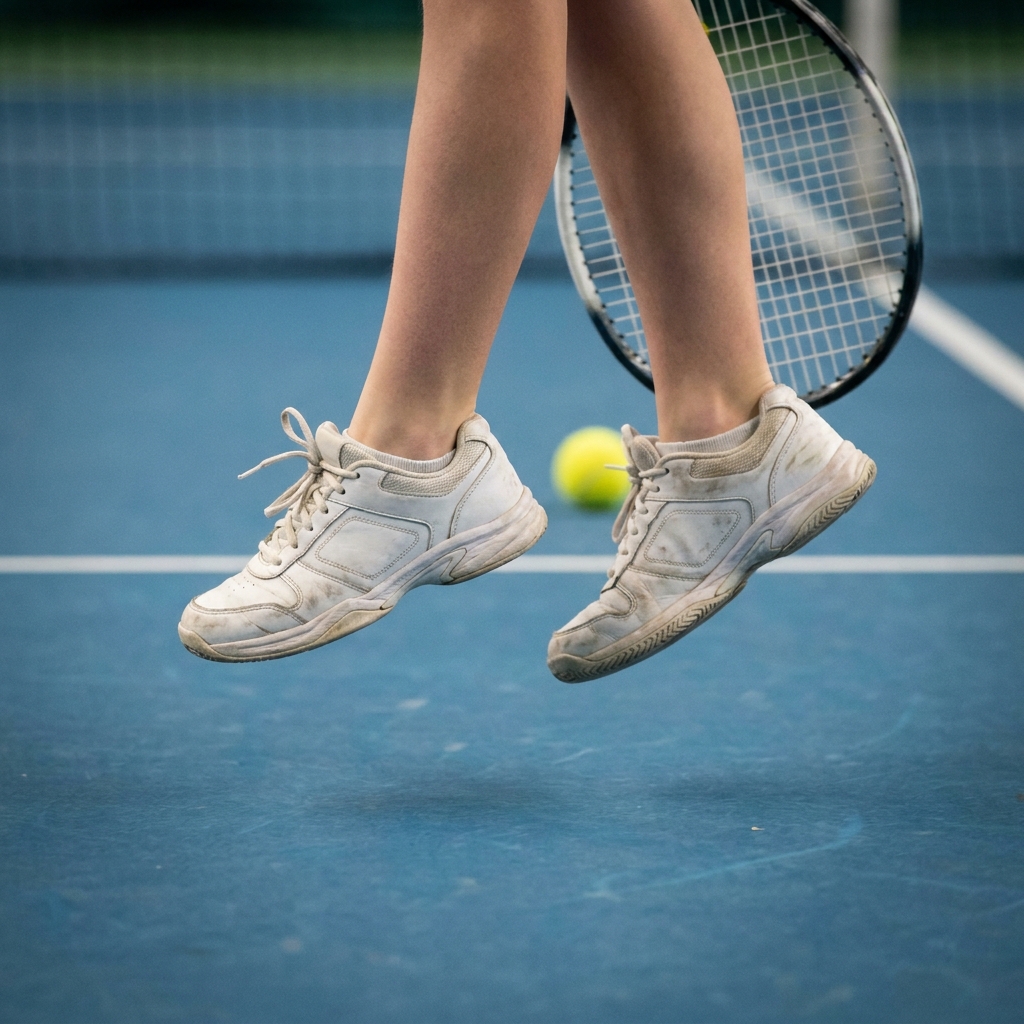
Indoor courts give players less time and less room. Help them sharpen their split step, shorten their swing and stay calm, and winter becomes a season of real progress.
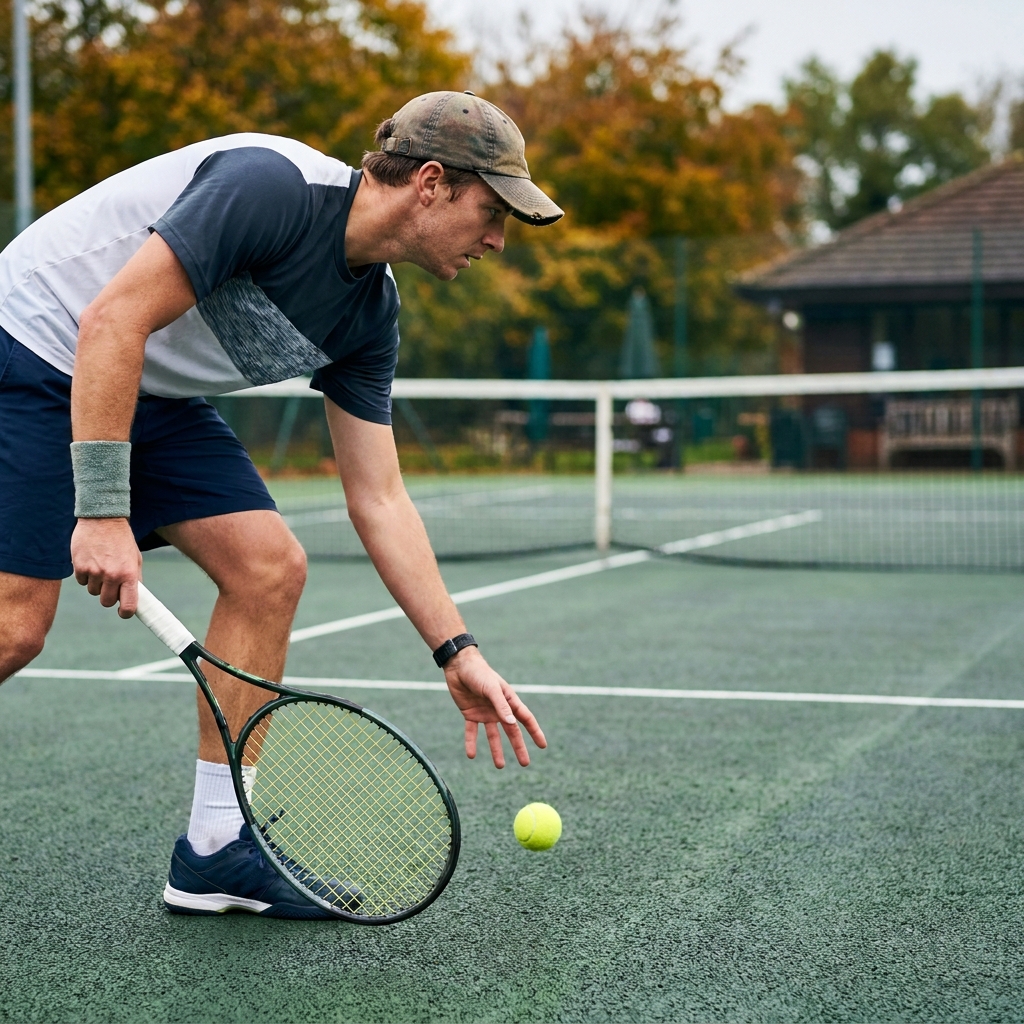
A tiebreak is a short sprint where every point is worth the same as a break of serve. The players who win them are rarely the ones who hit hardest. Here is how to coach the patterns, habits and scoreboard thinking that win the big points.
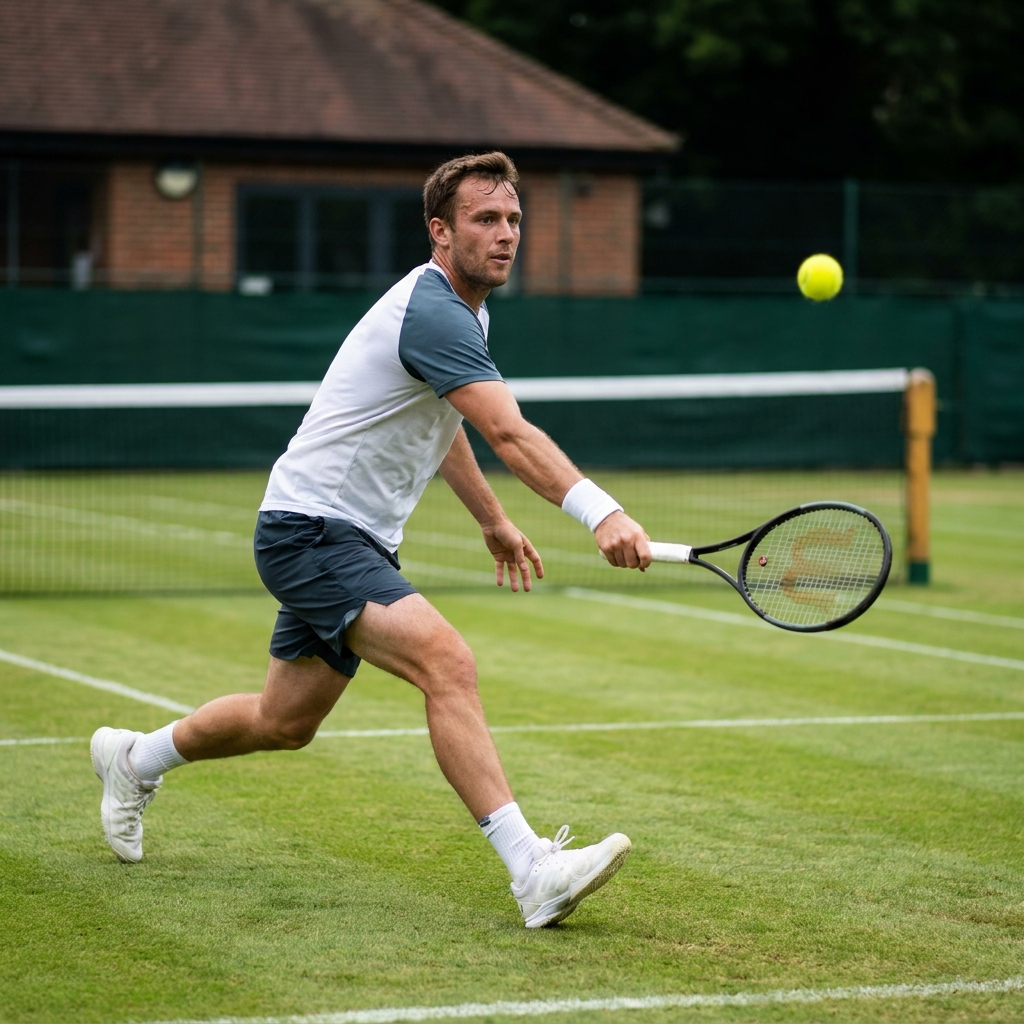
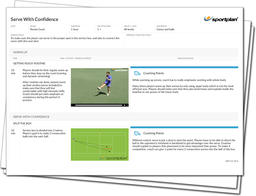
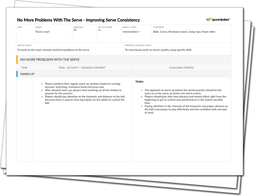
Most club players practise the serve on its own and then have no idea what to do with the ball that comes back. Serve plus one is the pattern that turns a good serve into a won point.


Register for FREE and get coaching tips, top drills, session and more every week!