To implement backspin as a variety that puts more pressure on the rival and understand tactical opportunities of playing slice in different situations.
Backspin can be used to achieve many tactical solutions. By applying backspin, players change the rhythm of the rally and also force rivals to adapt their own technique to the incoming balls. It simply means that using slice is a good way to test an opponent's technical and tactical preparation.
What?s in the session?
Players work on defensive and attacking solutions with the slice and hitting with variety to surprise opponents. Get your players hitting down the line, across court, keeping the ball low and adding backspin to their play.
One of the biggest tactical assets that players can possess is the ability to surprise the opponent with their own decisions.If the opponent doesn't know what to expect during the rally, they will constantly feel the pressure and it will have a negative impact on their game. Preparing the slice is visible for the opponent but it doesn't mean that the opponent can guess our intention. By being able to change depth and placement of your own shot, the opponent will have difficulty finding the proper place on the court to be prepared for all possible responses.

A tiebreak is a short sprint where every point is worth the same as a break of serve. The players who win them are rarely the ones who hit hardest. Here is how to coach the patterns, habits and scoreboard thinking that win the big points.

Most club players practise the serve on its own and then have no idea what to do with the ball that comes back. Serve plus one is the pattern that turns a good serve into a won point.
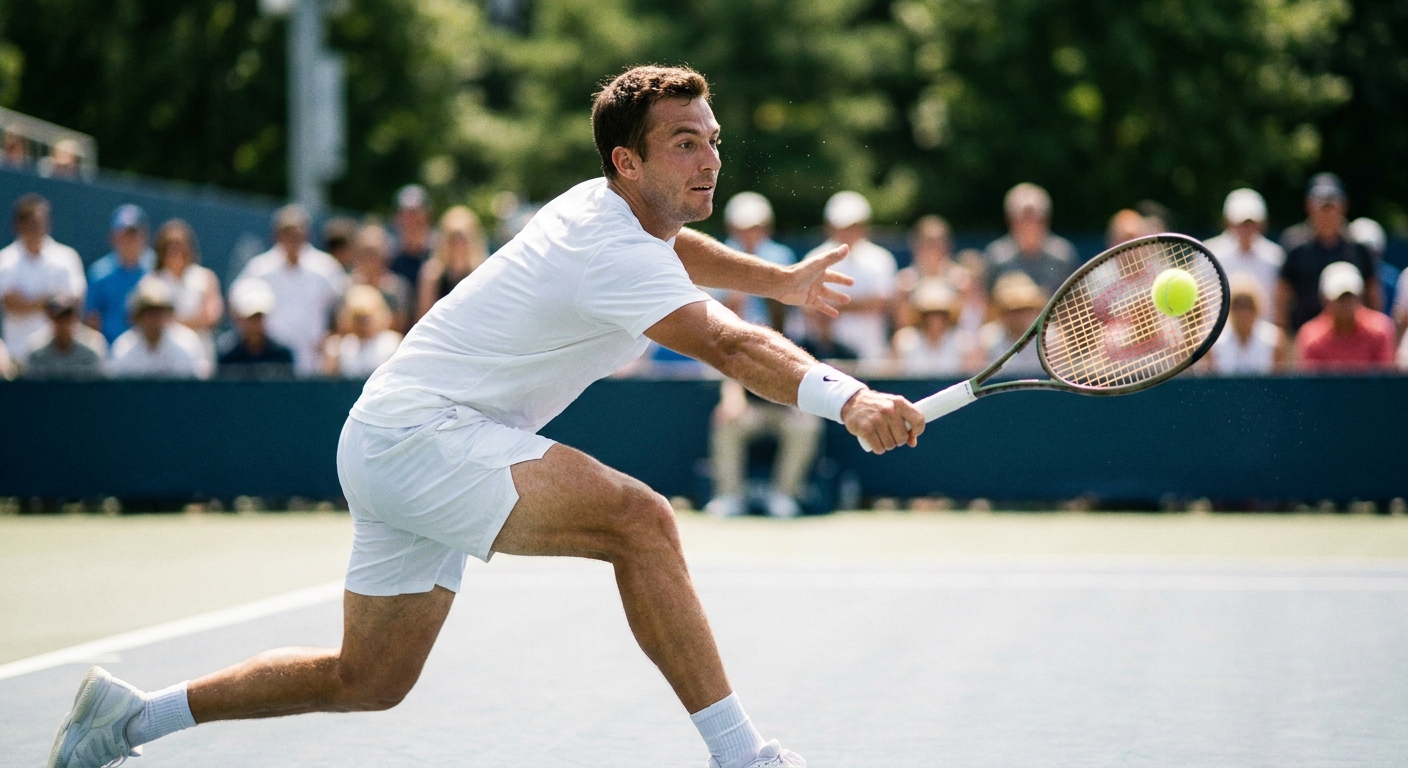
Wimbledon has just crowned another champion, and if you watched closely you saw the same thing every year: the best returners quietly won the tournament. Here is how to coach a return that pressures the server rather than just surviving it.


Register for FREE and get coaching tips, top drills, session and more every week!