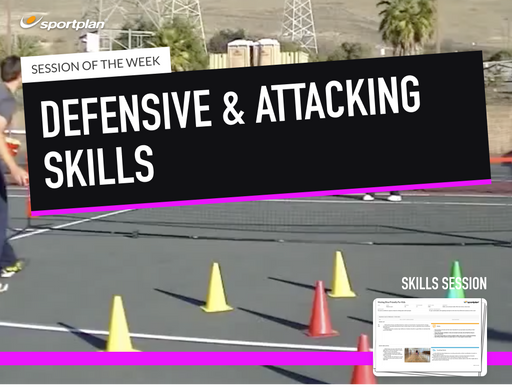
At all levels of play, a player who puts more pressure on the opponent has a greater chance of winning the point. This session looks at the serve, return and different rally scenarios to give players a tactical advantage.
The serve can be the biggest weapon in tennis and should be used to a players advantage. After the serve a player can be put in an offensive, neutral or defensive position so working on different patterns should be a priority in order to feel comfortable in every situation on the court. A lot of players can panic when receiving a difficult return because they haven't prepared for this scenario. To execute a strategy well, players have to spend time in practice sessions on understanding and developing defensive abilities from a return of serve.
On the other side of that, being skilled in different returns to the serve will allow players to adjust to a particular opponent. It is important to think during practice, about the kind of tactical patterns serving players might utilise and how we as returners can deal effectively against these particular types of serve.
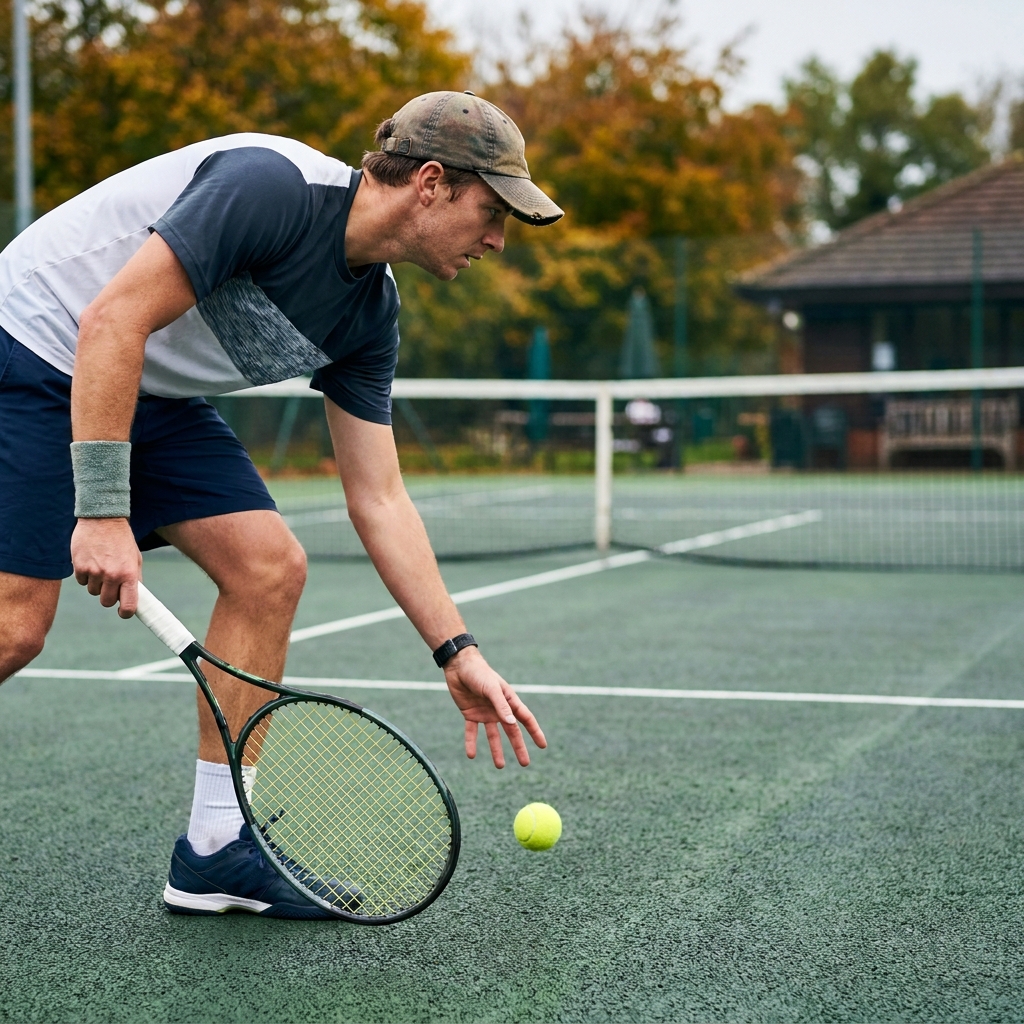
A tiebreak is a short sprint where every point is worth the same as a break of serve. The players who win them are rarely the ones who hit hardest. Here is how to coach the patterns, habits and scoreboard thinking that win the big points.
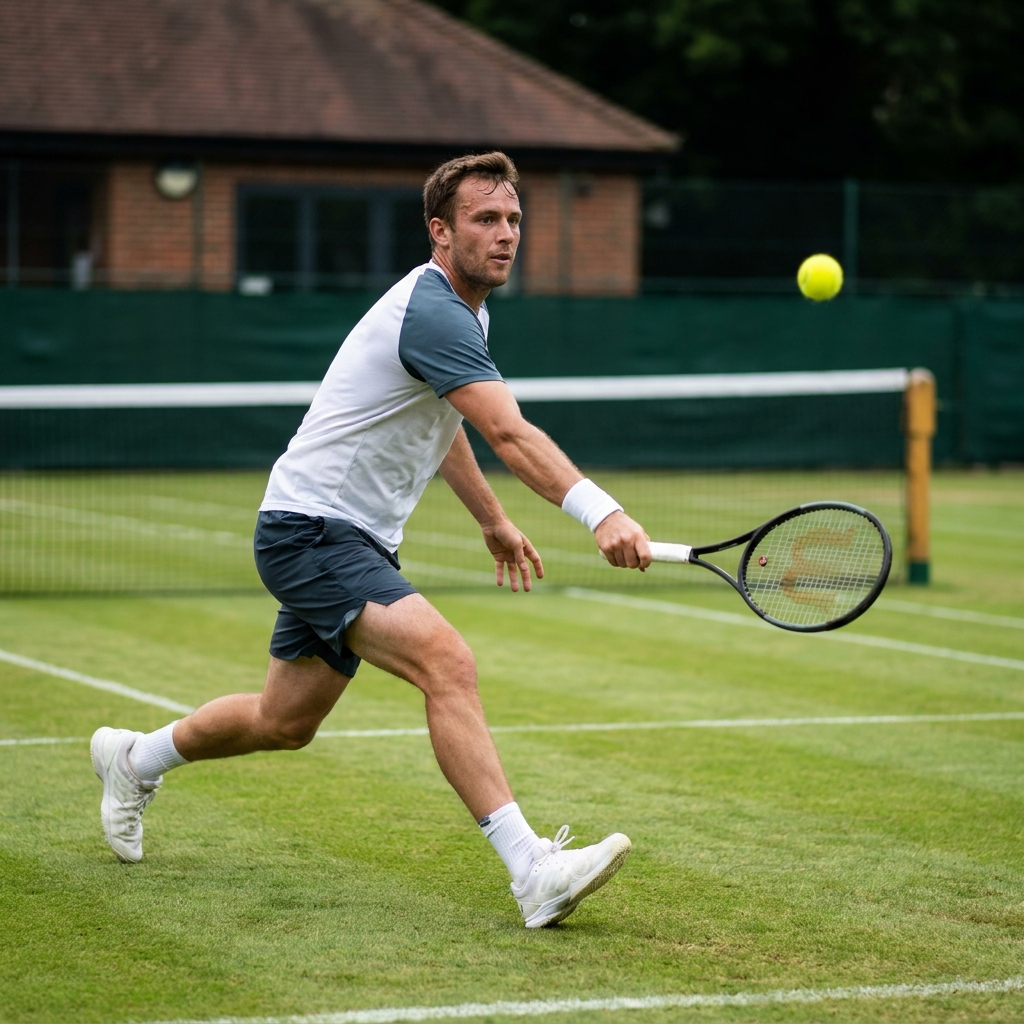
Most club players practise the serve on its own and then have no idea what to do with the ball that comes back. Serve plus one is the pattern that turns a good serve into a won point.
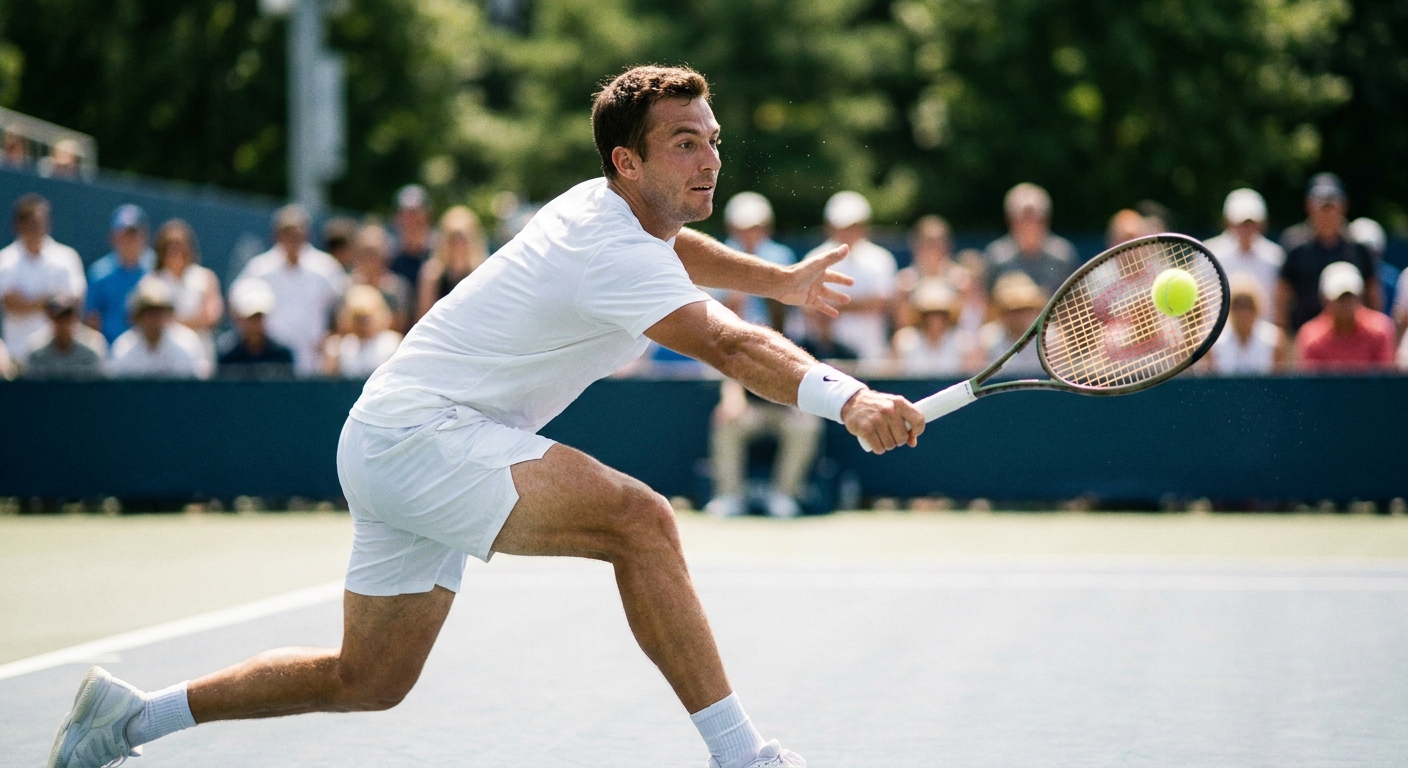
Wimbledon has just crowned another champion, and if you watched closely you saw the same thing every year: the best returners quietly won the tournament. Here is how to coach a return that pressures the server rather than just surviving it.


Register for FREE and get coaching tips, top drills, session and more every week!