The best players never looked rushed into their shots. One, because of their footwork and two because of the control of their shots under pressure to make sure they keep themselves in the point. Work on your players movement and control even when they?re rushed into shots with this session.
What?s in the session?
Start with a full warm up before some quick shadow backhands to work on their acceleration and deceleration to get into position quickly. The next drill builds on the initial one, adding in a ball with the feeder varying the speed they feed at to give the player a more realistic way of reacting to returns to get into position to play the right shot.
The next two parts test a variety of shots from the stop volley to the overhead smash when rushed. The players reactions and movement to get in position is further scrutinised. Once these areas has been worked on, the final drill ties together each area and develops tactical plays to work on when under time pressure.
get your players reacting and moving quickly to be in control, regardless of time pressure.
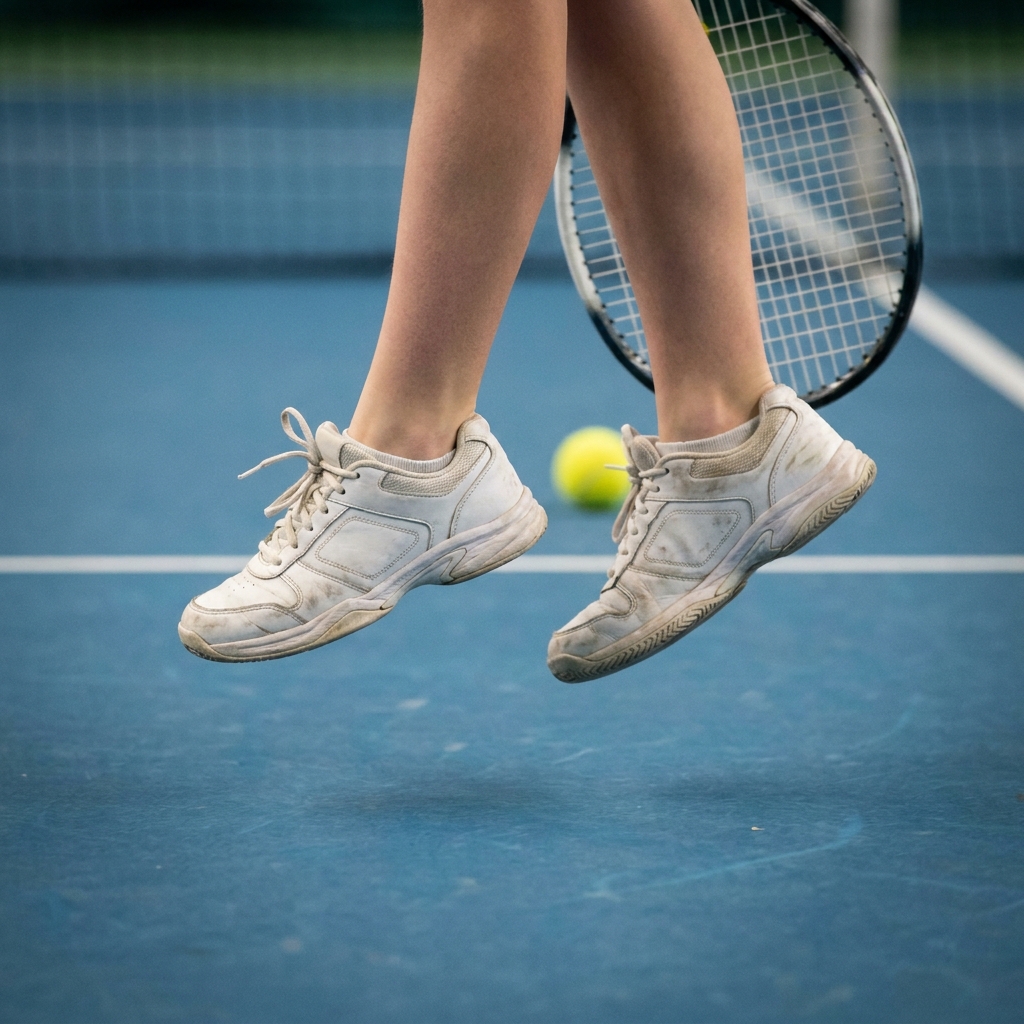
Indoor courts give players less time and less room. Help them sharpen their split step, shorten their swing and stay calm, and winter becomes a season of real progress.
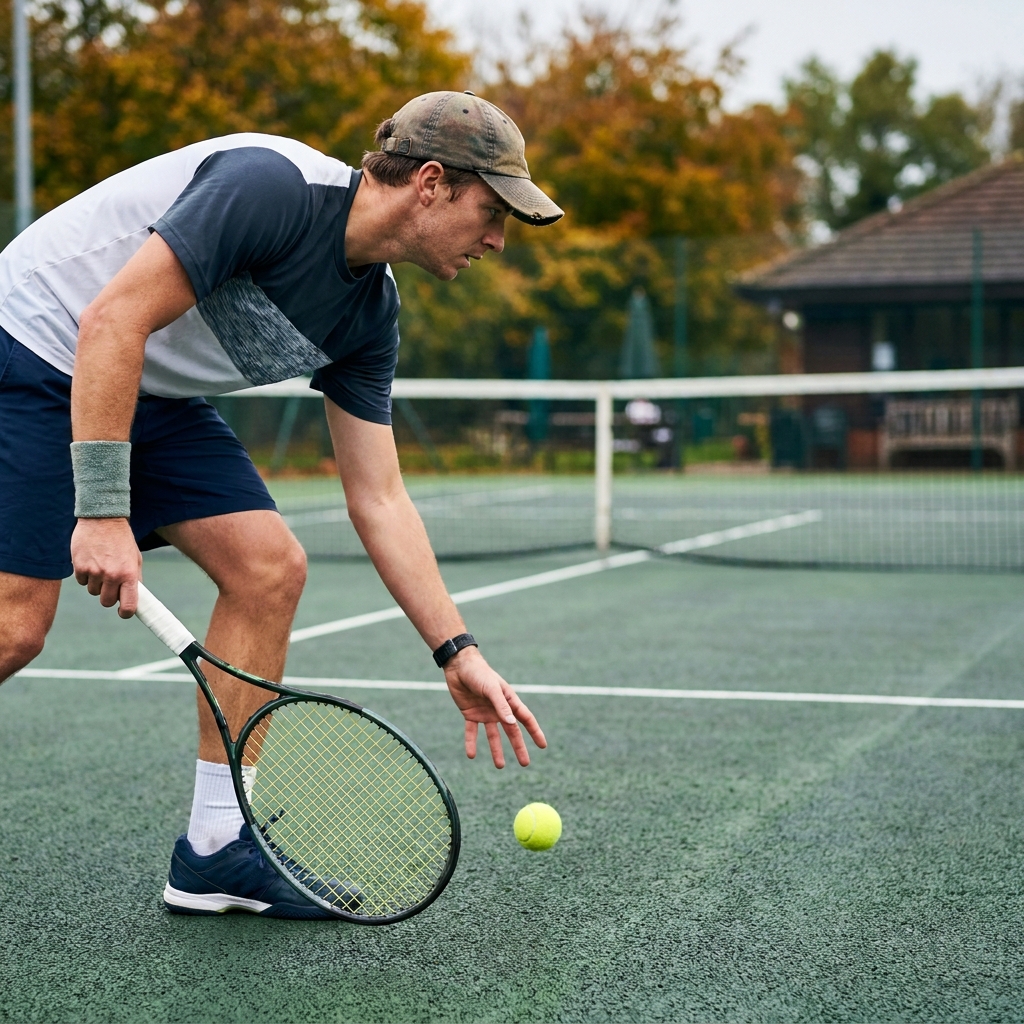
A tiebreak is a short sprint where every point is worth the same as a break of serve. The players who win them are rarely the ones who hit hardest. Here is how to coach the patterns, habits and scoreboard thinking that win the big points.
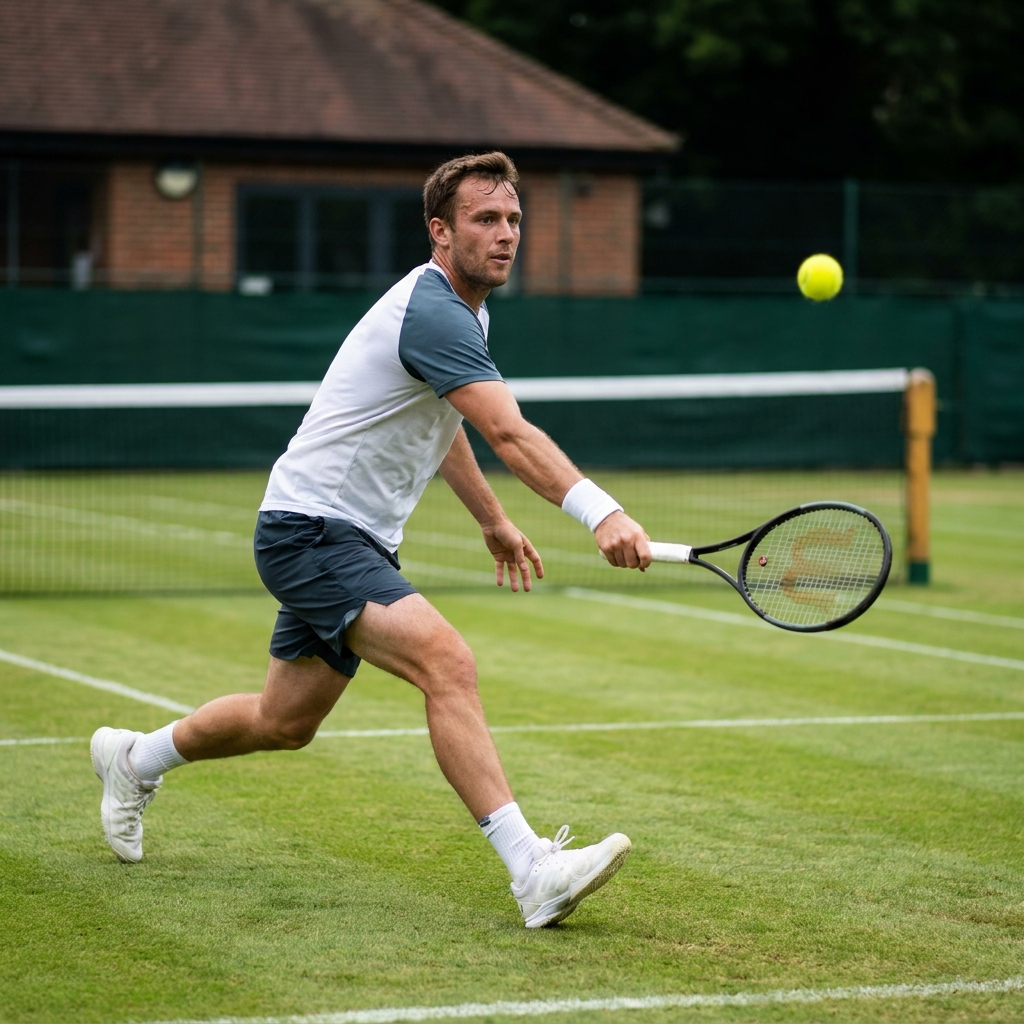
Most club players practise the serve on its own and then have no idea what to do with the ball that comes back. Serve plus one is the pattern that turns a good serve into a won point.


Register for FREE and get coaching tips, top drills, session and more every week!