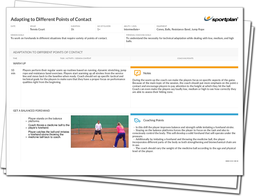
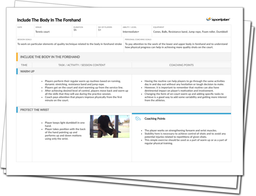
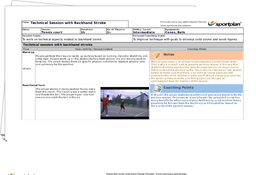
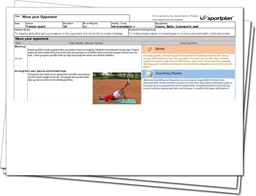
Every player has their favourite point of contact. Tall players prefer to hit balls from waist and shoulder levels while shorter players don?t have problems with dealing with lower balls. However players have to remember that the opponents will always try to put some pressure on them and force players to hit from uncomfortable hitting zones. By practicing different points of contact, the player will be prepared technically and tactically to effectively respond to different shots..
There is no doubt that every opponent tries to keep the ball deep to limit their opponents offensive weapons. The higher the level, the faster and the more repetitive deep balls opponents are able to send so the ability to respond to deep and fast balls is of utmost importance. Hitting a deep ball early on the half volley can help the player stay on top in the rally.
The coach should talk about the necessity to understand and practice shots from different points of contact, both against different opponents and while playing at different surfaces. Players should point out their strengths and weaknesses and give possible corrections that they can apply to improve their performance.
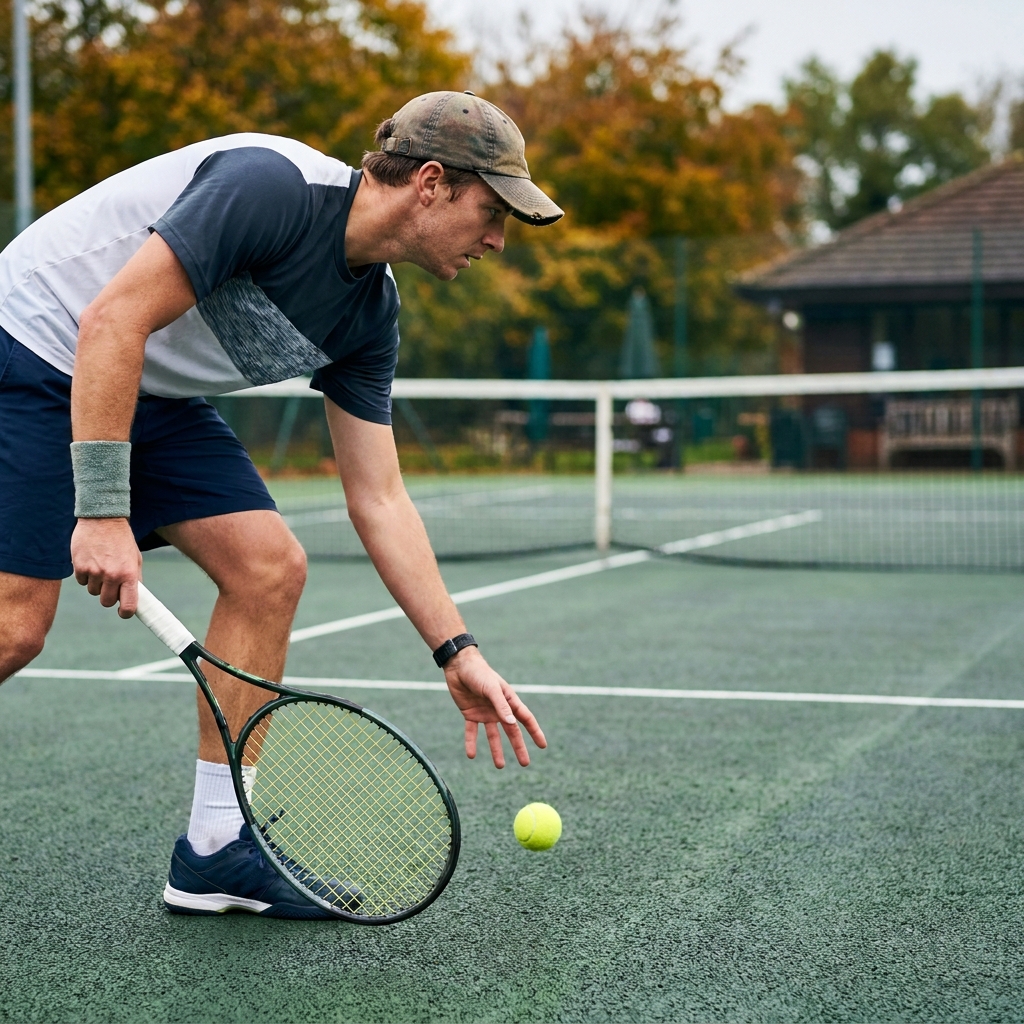
A tiebreak is a short sprint where every point is worth the same as a break of serve. The players who win them are rarely the ones who hit hardest. Here is how to coach the patterns, habits and scoreboard thinking that win the big points.
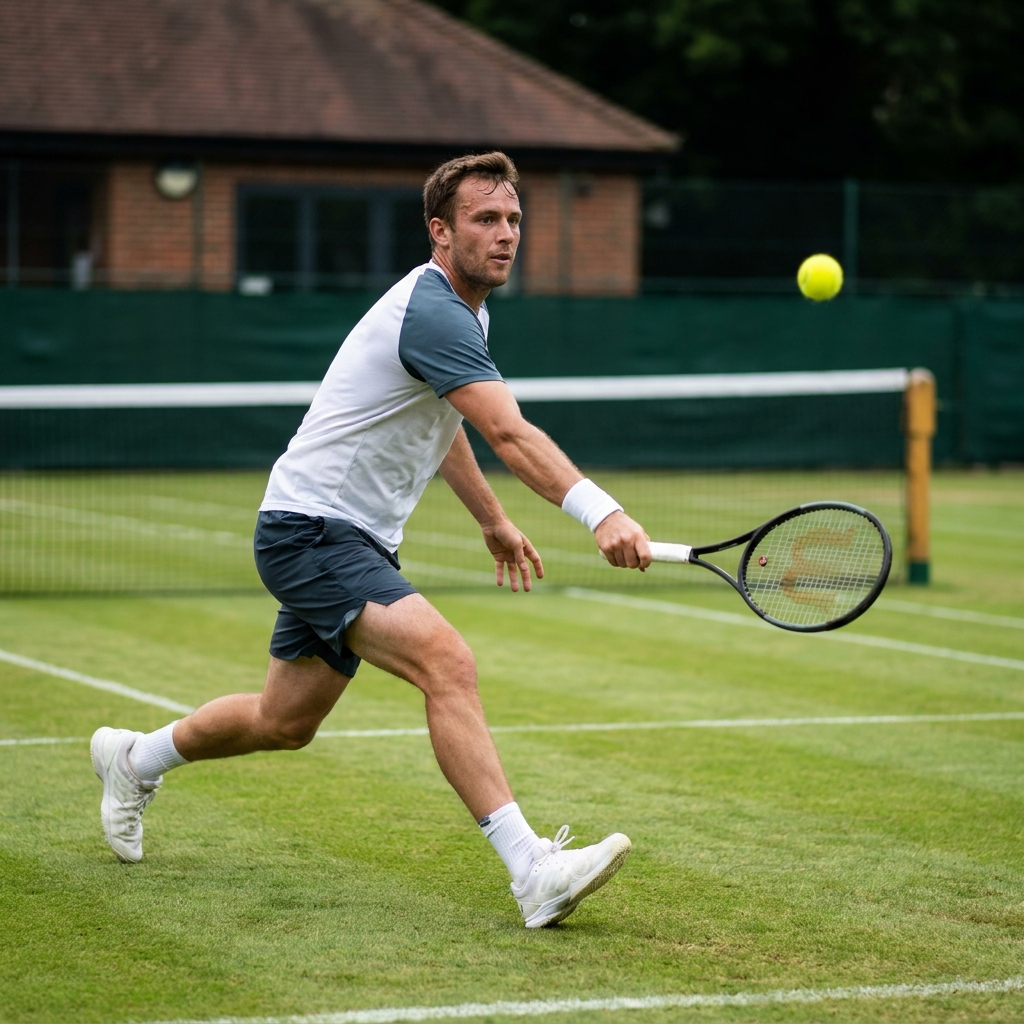
Most club players practise the serve on its own and then have no idea what to do with the ball that comes back. Serve plus one is the pattern that turns a good serve into a won point.
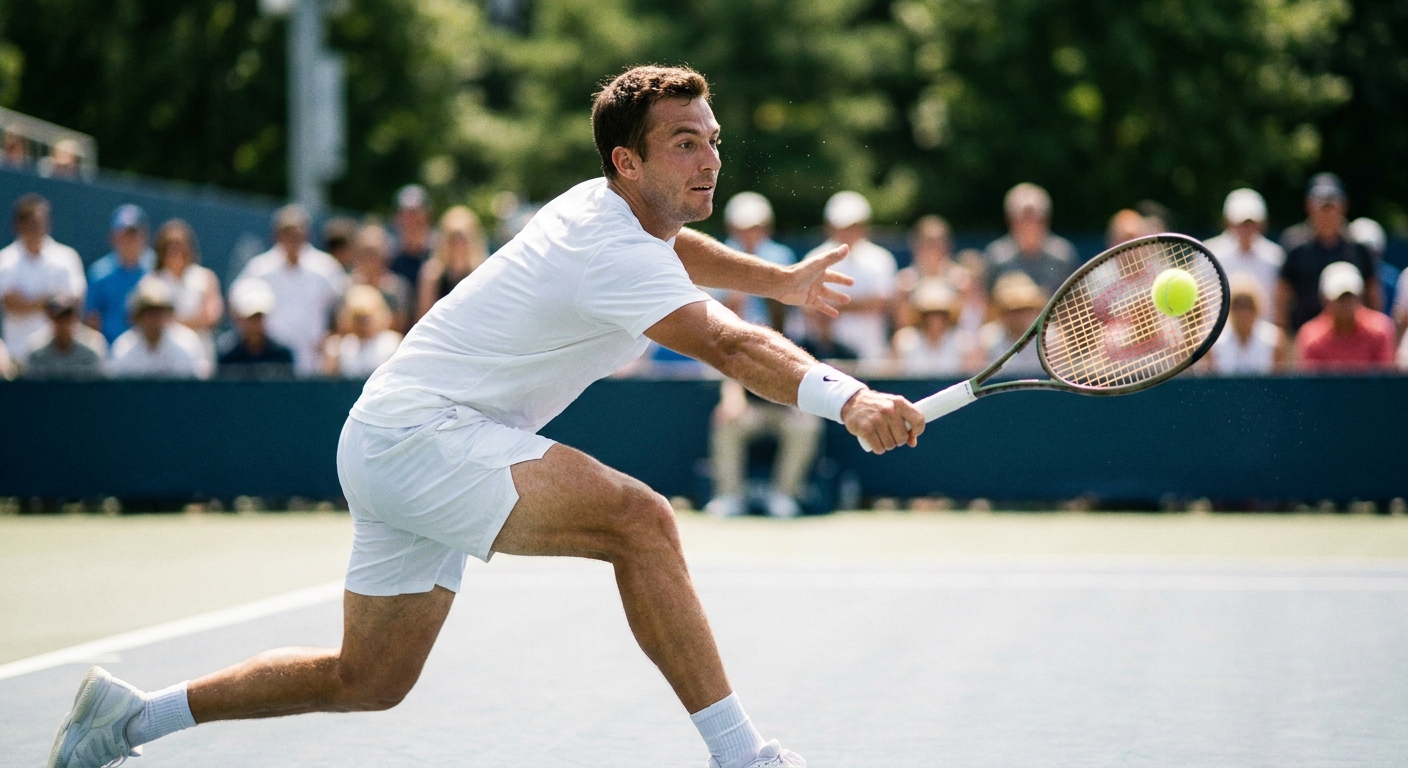
Wimbledon has just crowned another champion, and if you watched closely you saw the same thing every year: the best returners quietly won the tournament. Here is how to coach a return that pressures the server rather than just surviving it.


Register for FREE and get coaching tips, top drills, session and more every week!