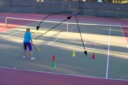
The coach stands on the service line and serves to the T from Ad side. The player executes forehand slice return to Ad side.
Some servers get a lot of easy points after returners make mistakes. Some of these errors are related to poor technique but not all. The reason why so many points are lost by returners is wrong decision. They are trying to get too much from returning first serves and knowing that ball comes with solid speed, it shouldn't be surprising that many balls land outside of the court or in the net. If players understand what the goal is of returning first serve, they will increase number of good responses and force opponent to put more than one ball into the court to win a point.
In this drill, the player works on return of serve. The coach should explain why slice return is a good decision while responding to fast serves and what players can get by using this option. A lot of good servers have fast deliveries but they are not as effective with the next shot after serve. It is crucial to put as many balls back as possible to force them to have at least 2 weapons to win point. By slicing the ball, we get more control over the shot as well we keep the ball lower after the bounce. It makes it much harder to attack for the opponent so only really good offensive players will be able to take advantage of this ball. Additionally, we have to remember that the goal of the first serve return is to not give an easy point for rival, so players should always look for percentages with first serve return. When they return the second serve, they can put more risk and go more offensively to get advantage.
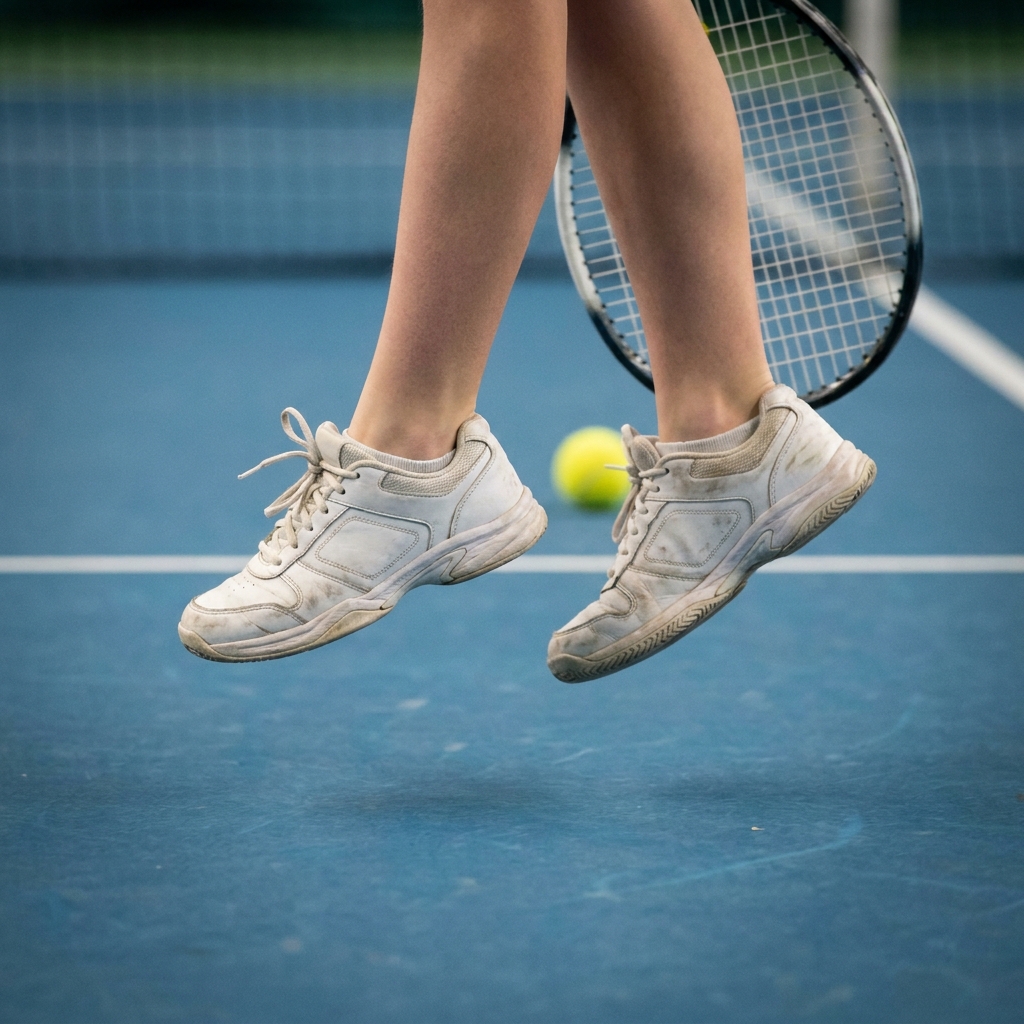
Indoor courts give players less time and less room. Help them sharpen their split step, shorten their swing and stay calm, and winter becomes a season of real progress.
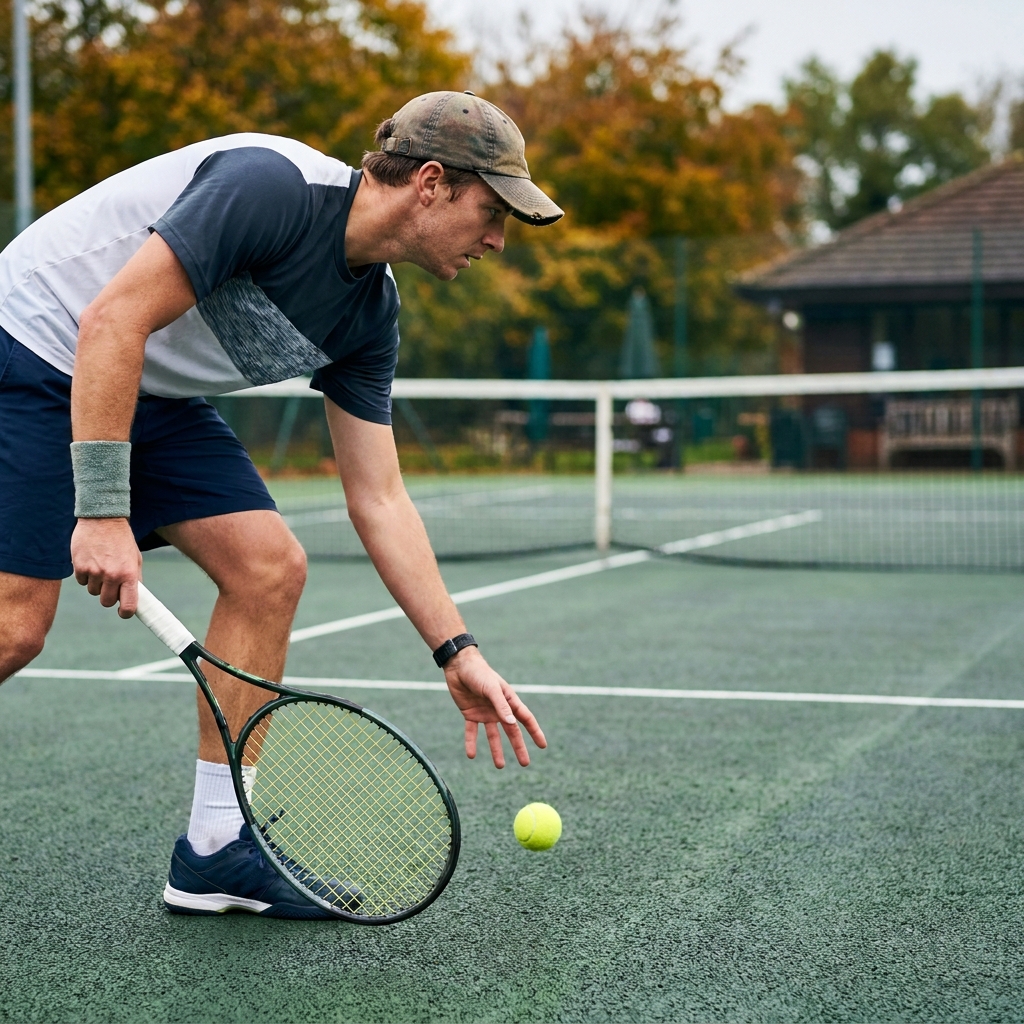
A tiebreak is a short sprint where every point is worth the same as a break of serve. The players who win them are rarely the ones who hit hardest. Here is how to coach the patterns, habits and scoreboard thinking that win the big points.
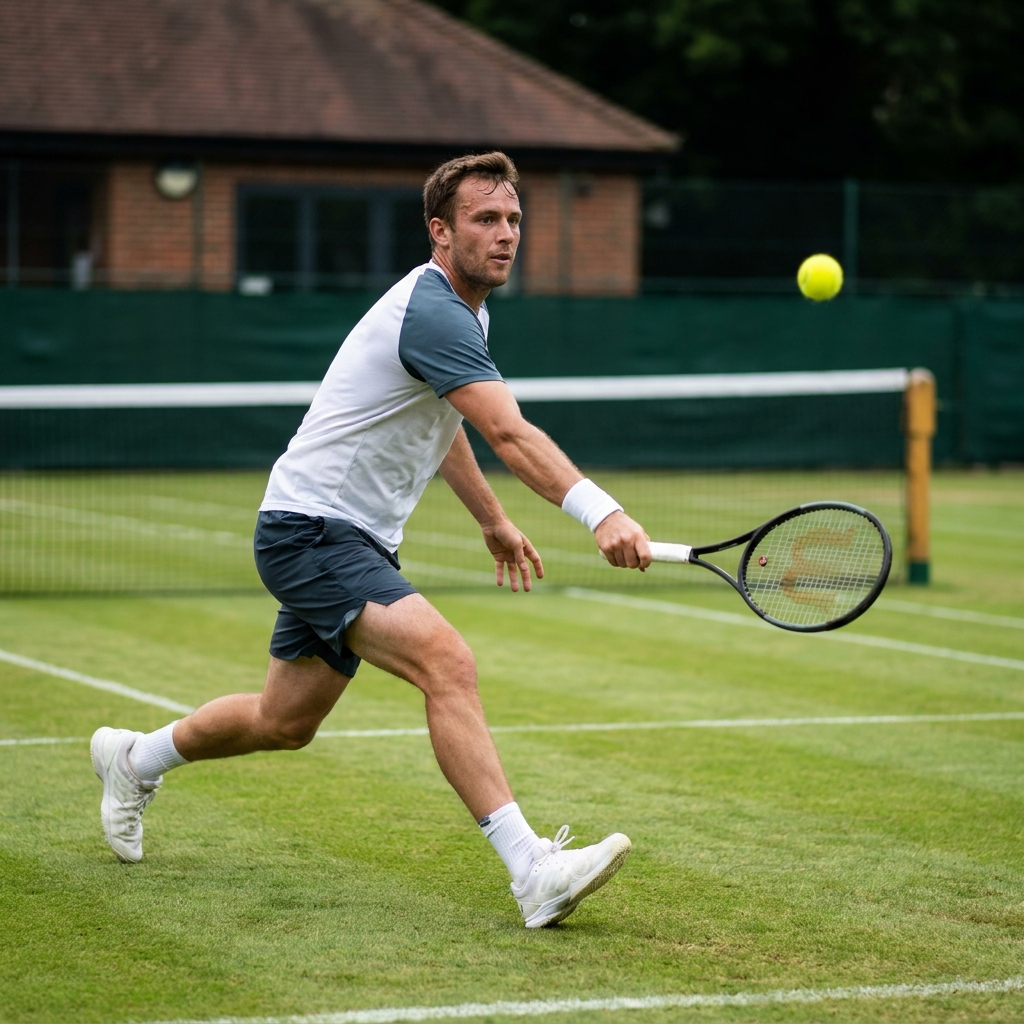
Most club players practise the serve on its own and then have no idea what to do with the ball that comes back. Serve plus one is the pattern that turns a good serve into a won point.


Register for FREE and get coaching tips, top drills, session and more every week!