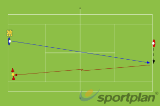
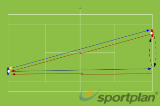
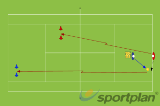
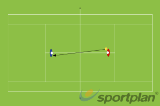
Standing in the deuce corner the coach feeds the ball to the player from the opposite end of the court.
The coach should move the player around the court by feeding the ball to different parts of the court, but the player is only allowed to hit forehands to the deuce corner.
In this exercise, the player works on consistency and placement while using forehand from the full court. The player doesn't know where the coach will hit the ball so the environment resembles match conditions.
For intermediate players, coach can hit slower balls to make players succeed often. For more advanced athletes, intensity and volume should be raised to make significant improvements.
Discussion
Spanish players are great examples of combining 2 skills to win tennis matches - footwork and forehand. Carlos Moya in the past and Rafael Nadal nowadays are players who run from one corner to the other and hit only forehands.
Speed, stamina, strength and technique are areas that have to be addressed to achieve level of these great pros.
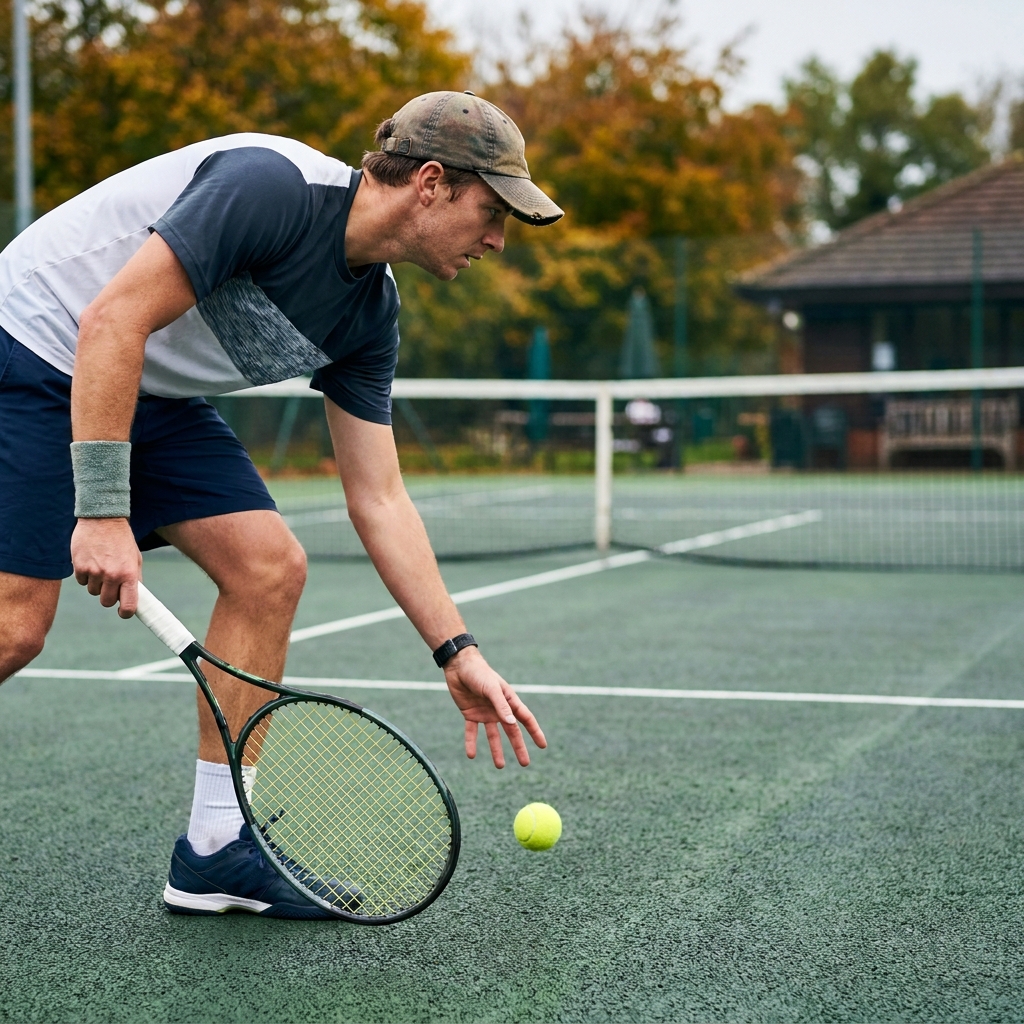
A tiebreak is a short sprint where every point is worth the same as a break of serve. The players who win them are rarely the ones who hit hardest. Here is how to coach the patterns, habits and scoreboard thinking that win the big points.
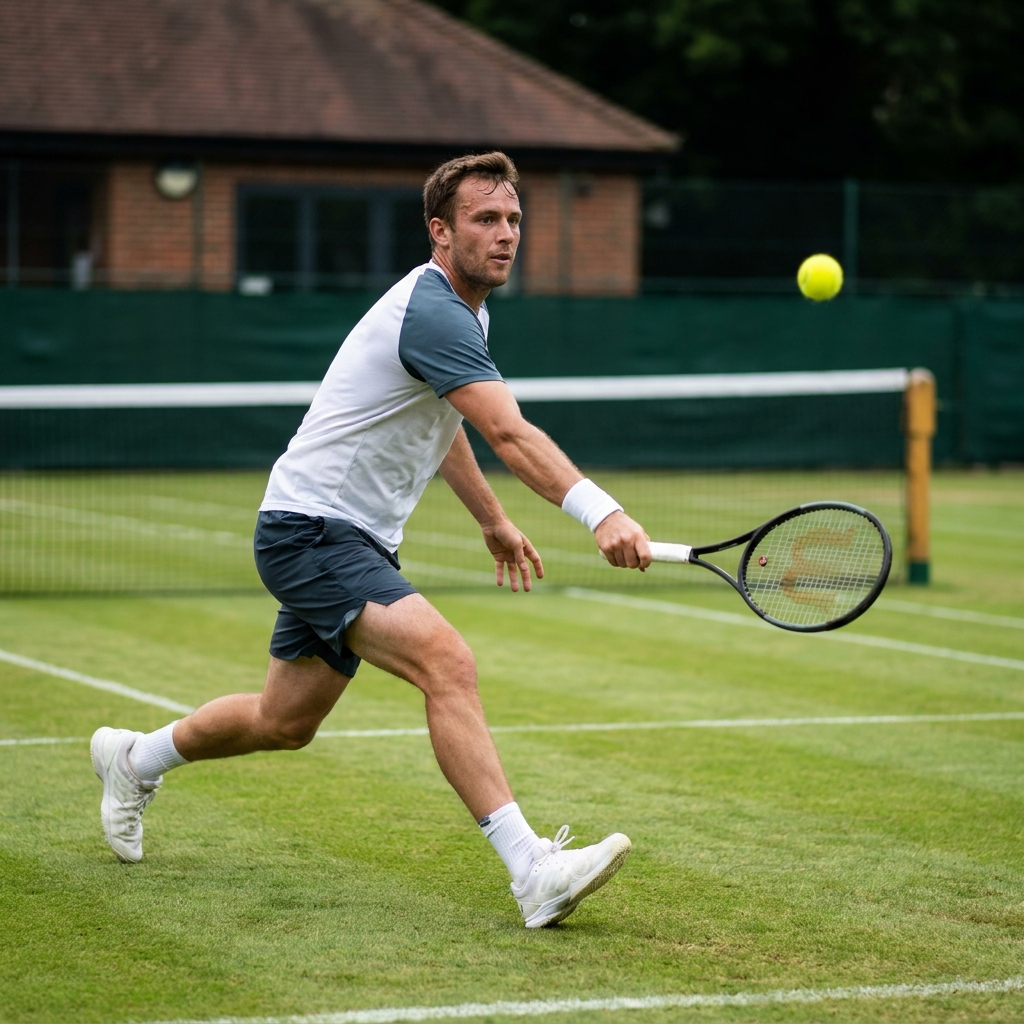
Most club players practise the serve on its own and then have no idea what to do with the ball that comes back. Serve plus one is the pattern that turns a good serve into a won point.
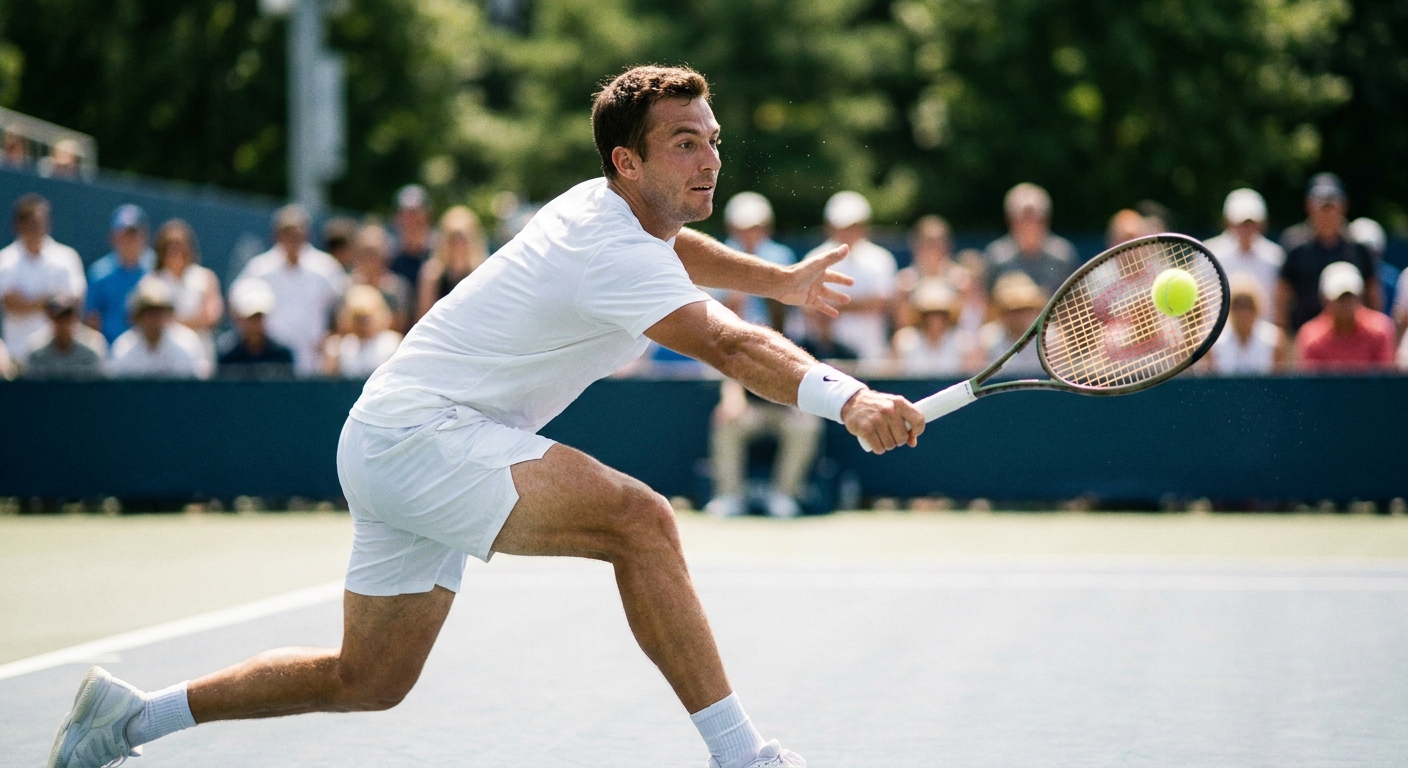
Wimbledon has just crowned another champion, and if you watched closely you saw the same thing every year: the best returners quietly won the tournament. Here is how to coach a return that pressures the server rather than just surviving it.


Register for FREE and get coaching tips, top drills, session and more every week!