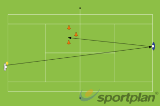
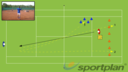
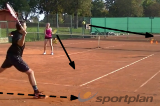
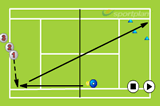
Deep zone and angle zone are set by cones. Coach feeds balls to one side. Player performs tactical pattern based on deep down the line shot, deep cross court shot, and drop shot down the line.
Drill specifications:
1-2 repetitions per set
1-2 patterns in a row is a number that each players should hit. With more players coach can set up 2 lines to work on forehand and backhand at the same time but it requires good feeding skills to keep the patterns in a right pace. Waiting players can perform physical drills or they can imitate well-disguised drop shot to get comfortable with the last-second change of grip and drop shot motion.
Another offensive weapon that has to be incorporated into tactical patterns is a drop shot. By having different skills to finish the point player feels comfortable to use other option when the previous one is not working. Additionally competing against various opponents requires adapting to the different playing styles so more skills we possess the better chance we have to win the match. Roger Federer is a great example of a dangerous player who can punish the opponent with a powerful winner or surprise the rival with a well-disguised drop shot.
In this drill players work on tactical patterns based on deep groundstrokes and a drop shot. This pattern has a tactical purpose to put the opponent well behind the baseline and hit the drop shot on the next one to force the opponent to run a good amount of meters. Players have to focus on depth within first 2 shots to make sure that both balls will keep the opponent away from the baseline. If player is not able to execute 2 successful shots in a row decent opponent will take advantage of a shorter ball and it will immediately exclude the opportunity to surprise with a drop shot. If down the line and cross court shots are well-placed opponent can expect another deep ball so drop shot will work perfectly. Coach should explain to players that well-disguised drop shot is much more effective than visible drop shot that is well-placed. Backswing of this shot should be the same as with regular groundstroke to not give any clue before the ball is hit. The objective of this pattern is to win the point but also to tire the opponent physically. Only good athletes will be able to run consistently at full speed to the drop shot without a negative effect on their next points.
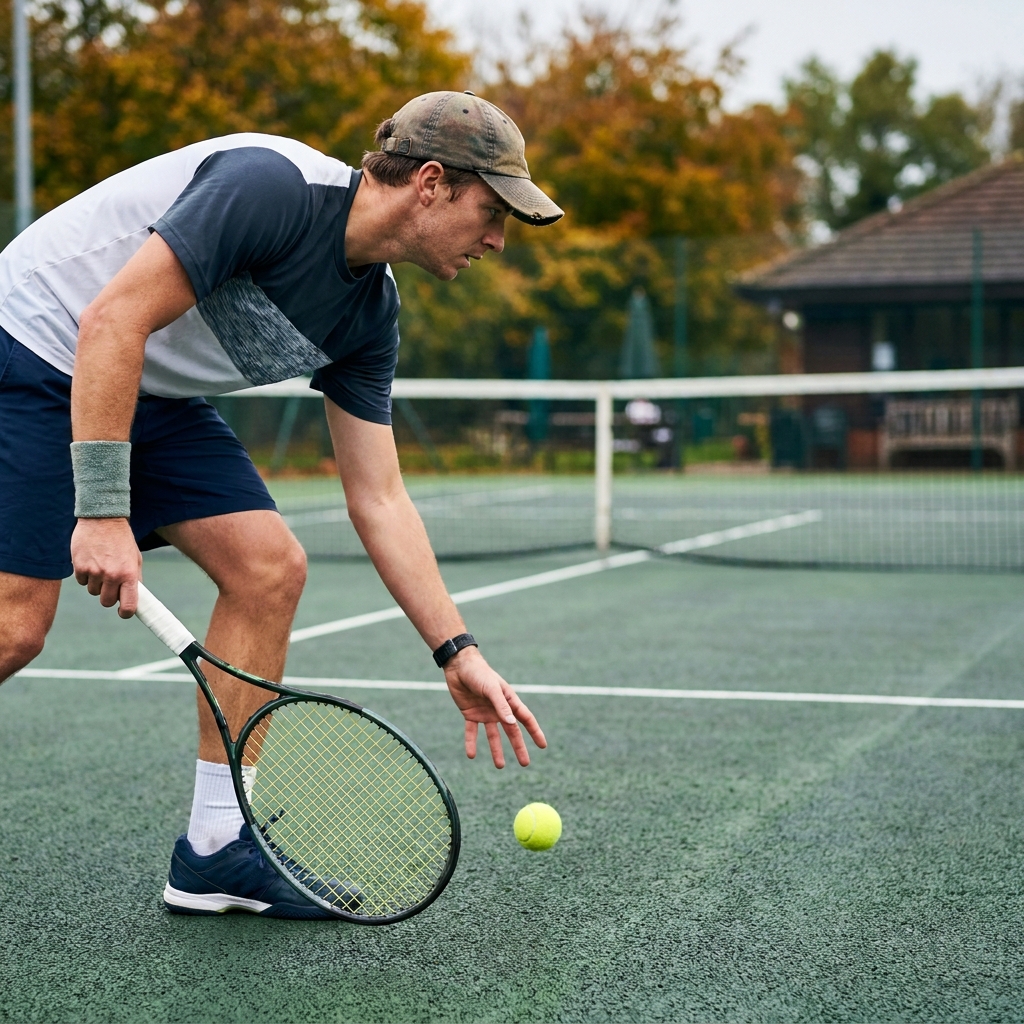
A tiebreak is a short sprint where every point is worth the same as a break of serve. The players who win them are rarely the ones who hit hardest. Here is how to coach the patterns, habits and scoreboard thinking that win the big points.
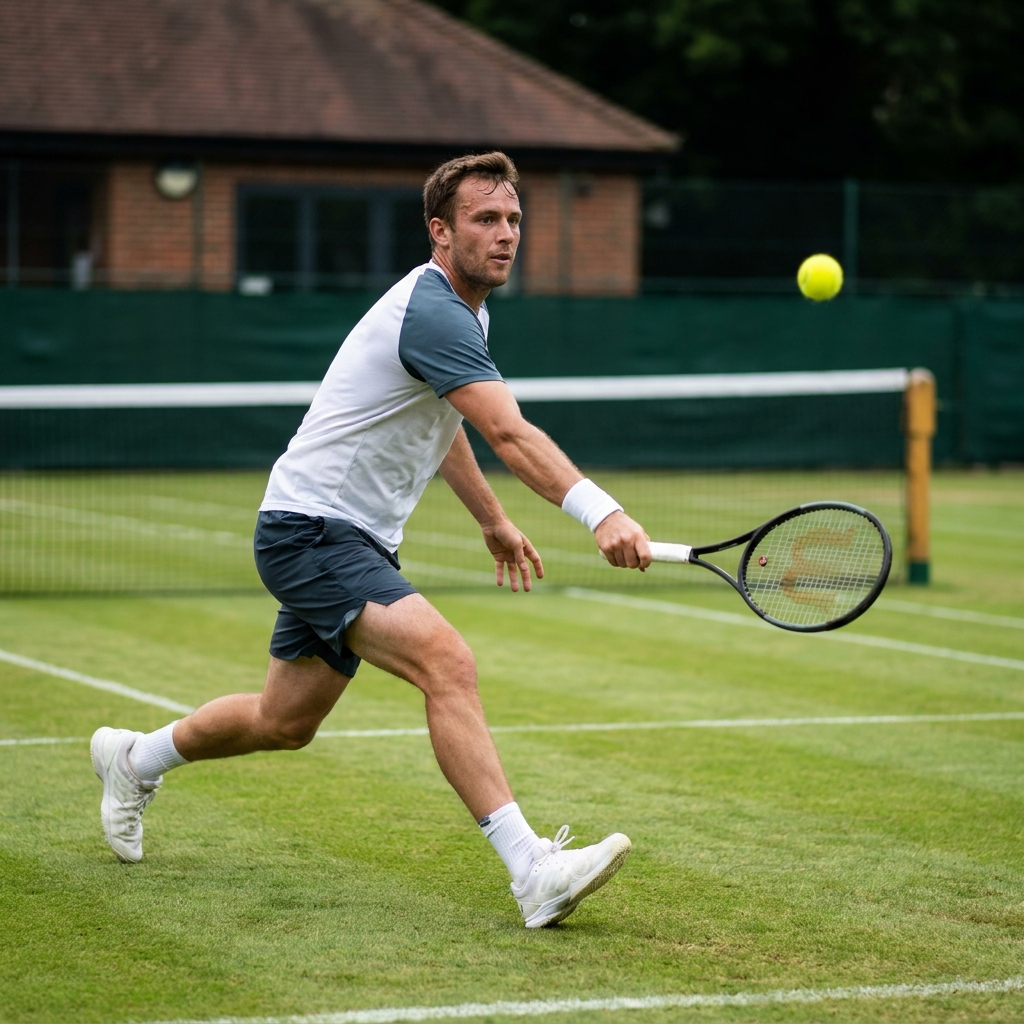
Most club players practise the serve on its own and then have no idea what to do with the ball that comes back. Serve plus one is the pattern that turns a good serve into a won point.
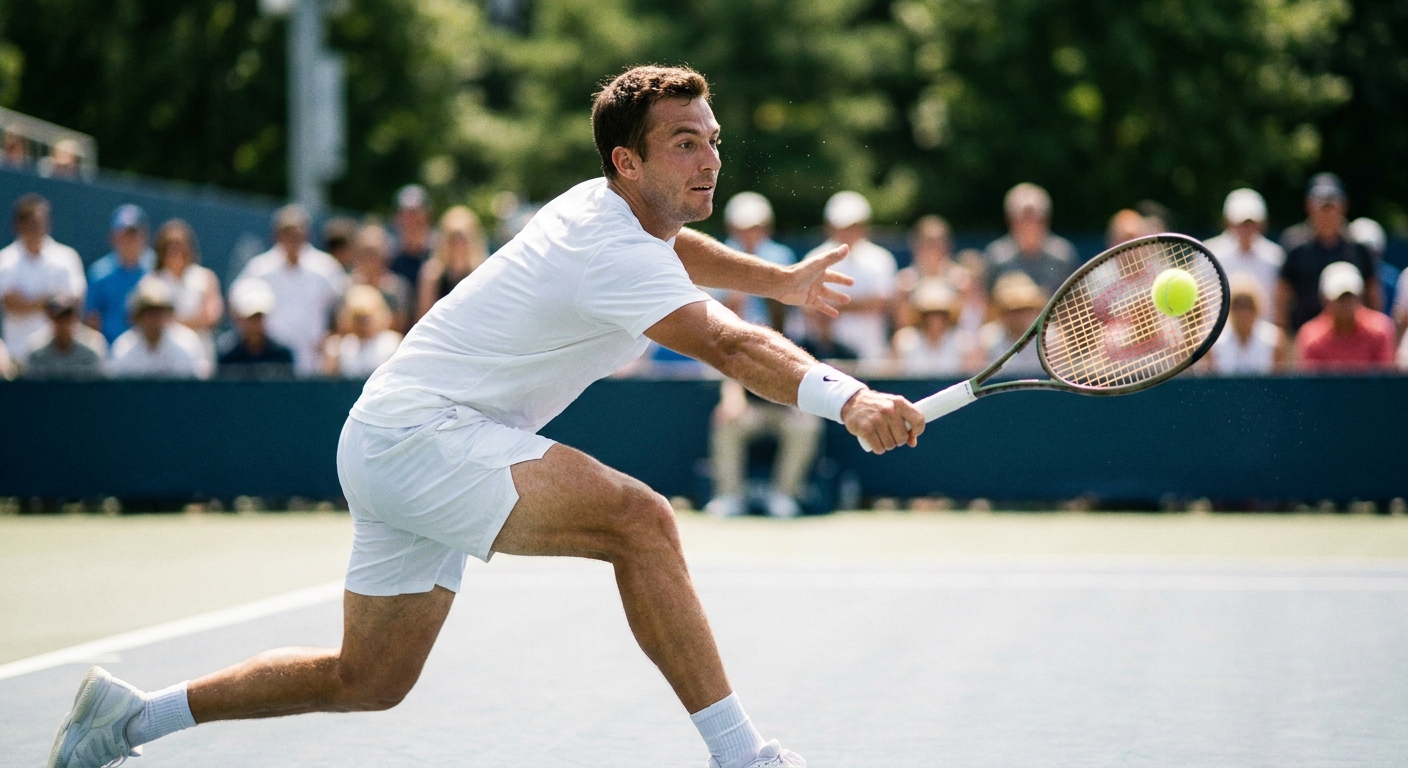
Wimbledon has just crowned another champion, and if you watched closely you saw the same thing every year: the best returners quietly won the tournament. Here is how to coach a return that pressures the server rather than just surviving it.


Register for FREE and get coaching tips, top drills, session and more every week!