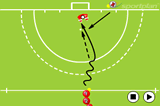
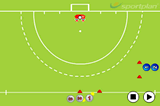
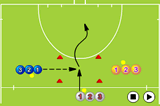
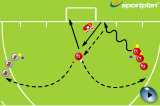
- Top D Pressurised Shooting
- Passive defender
- Forward takes the ball across the body
- Defender must run from inside the D, around a flag and put pressure on the forward
- The forward must move the ball around the opposite flag to that of the defender
- The shot at goal should be under control
- Set up cones just outside the posts, indicating where deflection runners may be, effectively widening the goal
- Defender can start closer to the flags to put a greater amount of pressure on the forward
- Install a point system, with points being scored for various criteria (positive score for sideboard, backboard, deflection zones, negative points for lifted balls, wide shots, no strikes etc.). This adds competition and should make the drill more game realistic

in more ways than one
 sportplan_netball



in more ways than one
sportplan_hockey

A few weeks into the league season, poor first touches are costing teams the ball. Coach body shape, scanning and receiving on the move to keep possession.

Pre-season fitness fades fast once the league starts. Build conditioning into ball work and use rolling subs well to keep your squad sharp all season.

The first weeks of the season decide whether a junior or new player sticks with adult hockey. Here is how to keep them safe, give them a clear job and build their confidence from the very first bully.