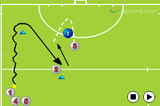
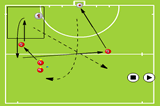
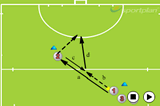
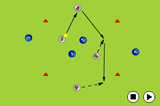
Set up two lines of players as show in the image.
The players with the ball start from the middle of the pitch on the 23m line and run out towards the side of the pitch.
The first player (blue) runs with the ball at pace and then stops the ball inside the box in front of the other player.
The blue player continues their run around the cone in front of them and then runs back inside the area.
The receiver (red) runs onto the ball left by the first runner and then runs into the D and tries to finish through one of the wide goals.
The blue player should have continued their run and now tries to put pressure on the receiver's shot.
The shot should be passed into the mini goals. Accuracy before power - players should look up, see the space and shoot.
The purpose of this drill is for players to score but be sure to not make it too easy. You can increase/decrease the size of the wide goals to make this practice easier/harder.
Progression:
If there is not enough pressure on the receiver's run and shot you can make this drill more challenging by moving the cone which the defender runs around closer (more pressure). If you move this cone further away the attacker will have more time to shoot (less pressure).

in more ways than one
 sportplan_netball



in more ways than one
sportplan_hockey

A few weeks into the league season, poor first touches are costing teams the ball. Coach body shape, scanning and receiving on the move to keep possession.

Pre-season fitness fades fast once the league starts. Build conditioning into ball work and use rolling subs well to keep your squad sharp all season.

The first weeks of the season decide whether a junior or new player sticks with adult hockey. Here is how to keep them safe, give them a clear job and build their confidence from the very first bully.