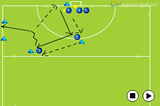
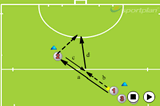
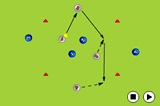
First set out some 2 vs 2 pitches consisting of 2 goals, 15 to 20m apart with each goal being 1 stick length wide.
Once the pitches are laid out, number the pitches 1,2,3,4, etc with 4 players and one ball per pitch.
The aim of the game is to try and score goals from about 2m out.
The length of the game is approximately 2-3 minutes long and starts on the first whistle and stopped by the second whistle.
When the game is stopped it is important that there is a winner on each pitch. In the case of a draw the winners is decided on the throw of a stick (flat or round).
Once every pitch has a winner all the winners move up one pitch, (so if the players are on pitch 3 they move to pitch 4). The losers do the opposite, and move down one pitch.
The winners on pitch 1 and the loser on the lowest pitch have nowhere to move so they stay on their pitches.
Once everyone has moved the game can start again.

in more ways than one
 sportplan_netball



in more ways than one
sportplan_hockey

A few weeks into the league season, poor first touches are costing teams the ball. Coach body shape, scanning and receiving on the move to keep possession.

Pre-season fitness fades fast once the league starts. Build conditioning into ball work and use rolling subs well to keep your squad sharp all season.

The first weeks of the season decide whether a junior or new player sticks with adult hockey. Here is how to keep them safe, give them a clear job and build their confidence from the very first bully.