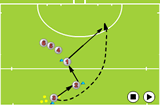
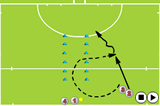
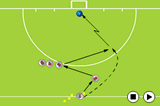
- Posting towards the ball, and then rolling away
- Drags defenders out of position
- Use of the body to shield the ball, and then roll away from the defender
- Player in possession make a L shape run, opens body out, and rolls the ball down the channel
- Forward in the D posts towards the ball, and then turns out, using their body to shield the ball and move towards goal
- The pass must be weighted, so the defender cannot jump in front, while also allowing the forward time to roll
- A change of pace will make this move more effective, so the forward should not move towards the ball at a full sprint
- This should cause the defender to attempt to jump in front, but by effectively turning the body, the defender will not get the ball, and the forward will move into the D unopposed
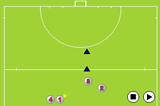
- Have the defender be much more aggressive
- Input an additional defender, and allow the player in initial possession to join in the attack

in more ways than one
 sportplan_netball



in more ways than one
sportplan_hockey

A few weeks into the league season, poor first touches are costing teams the ball. Coach body shape, scanning and receiving on the move to keep possession.

Pre-season fitness fades fast once the league starts. Build conditioning into ball work and use rolling subs well to keep your squad sharp all season.

The first weeks of the season decide whether a junior or new player sticks with adult hockey. Here is how to keep them safe, give them a clear job and build their confidence from the very first bully.