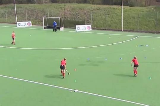
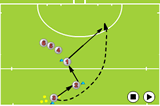
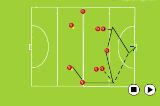
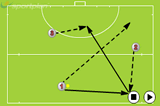
- 3 active forwards and one passive defender
- Goal is to attack down the baseline
- Avoid entering the D on a shallow angle
- First player commits the defender and passes to baseline
- Second player acts as a wall pass
- First player receives the ball back, hits towards back post
- Spare forward in the D deflects towards goal
- Either attack in 3s, or move into the next position
- The strike towards the back post should be controlled and along the floor, increasing the likelihood of a deflection
- Deflector should be low, with the stick initially loose in their hand, to allow quick change side if necessary
- Have players time their runs so they don't stand still and take up space
- Allow defender to become more active, putting additional pressure on the ball carrier
- Add in additional defender, and play a more live version

in more ways than one
 sportplan_netball



in more ways than one
sportplan_hockey

A few weeks into the league season, poor first touches are costing teams the ball. Coach body shape, scanning and receiving on the move to keep possession.

Pre-season fitness fades fast once the league starts. Build conditioning into ball work and use rolling subs well to keep your squad sharp all season.

The first weeks of the season decide whether a junior or new player sticks with adult hockey. Here is how to keep them safe, give them a clear job and build their confidence from the very first bully.