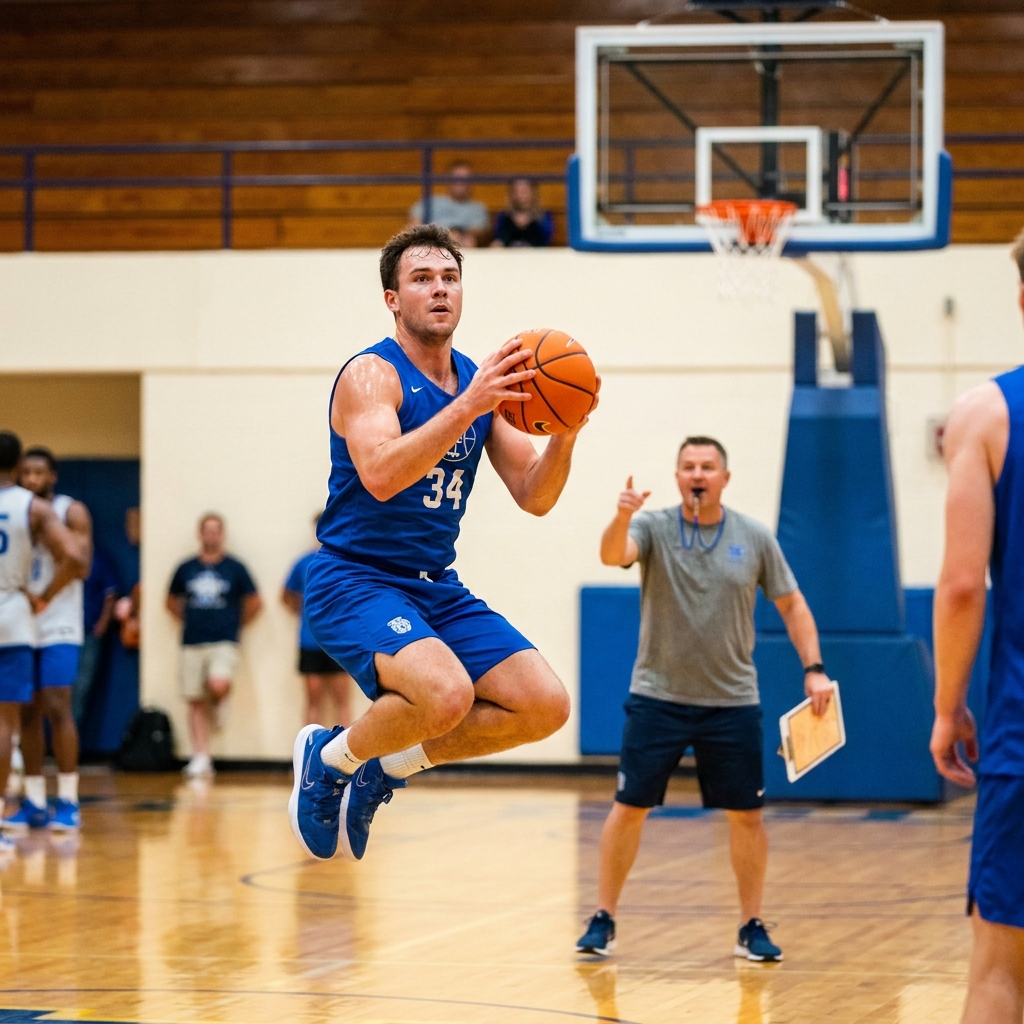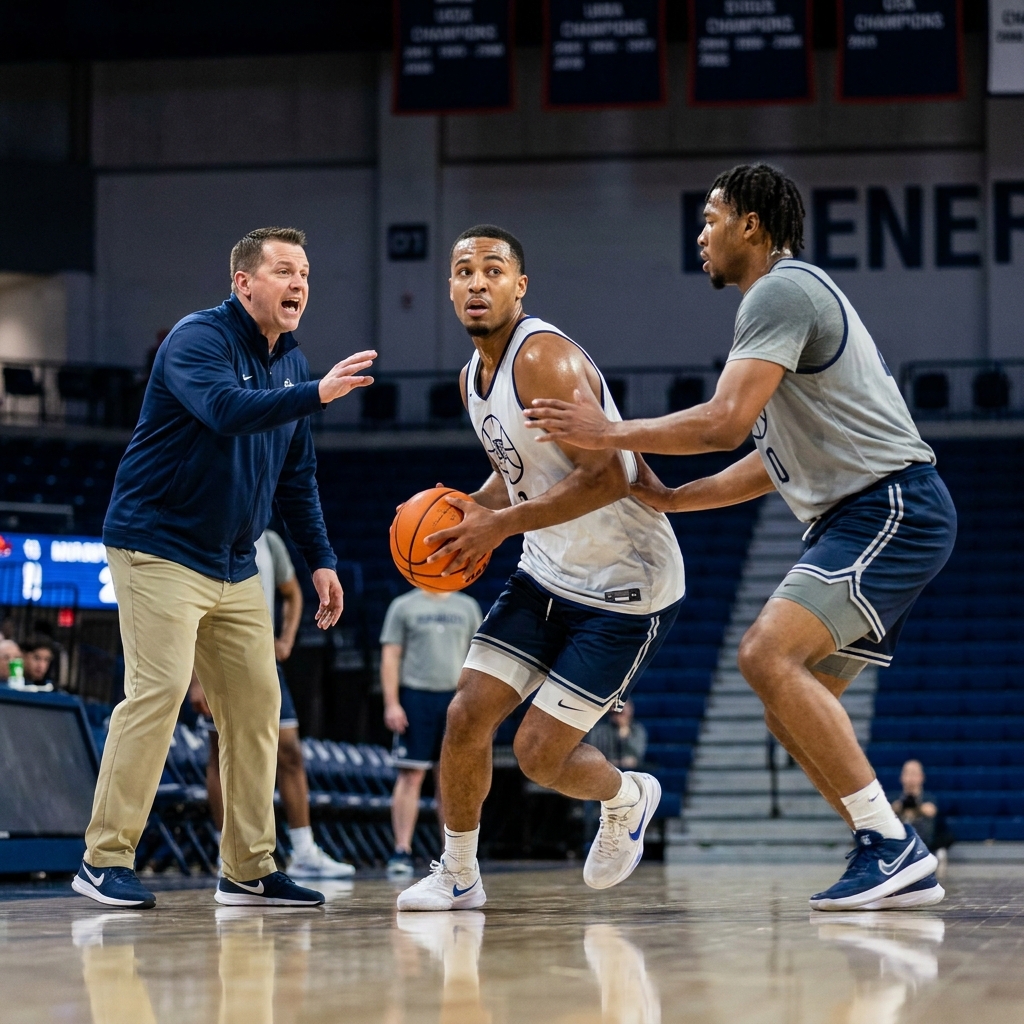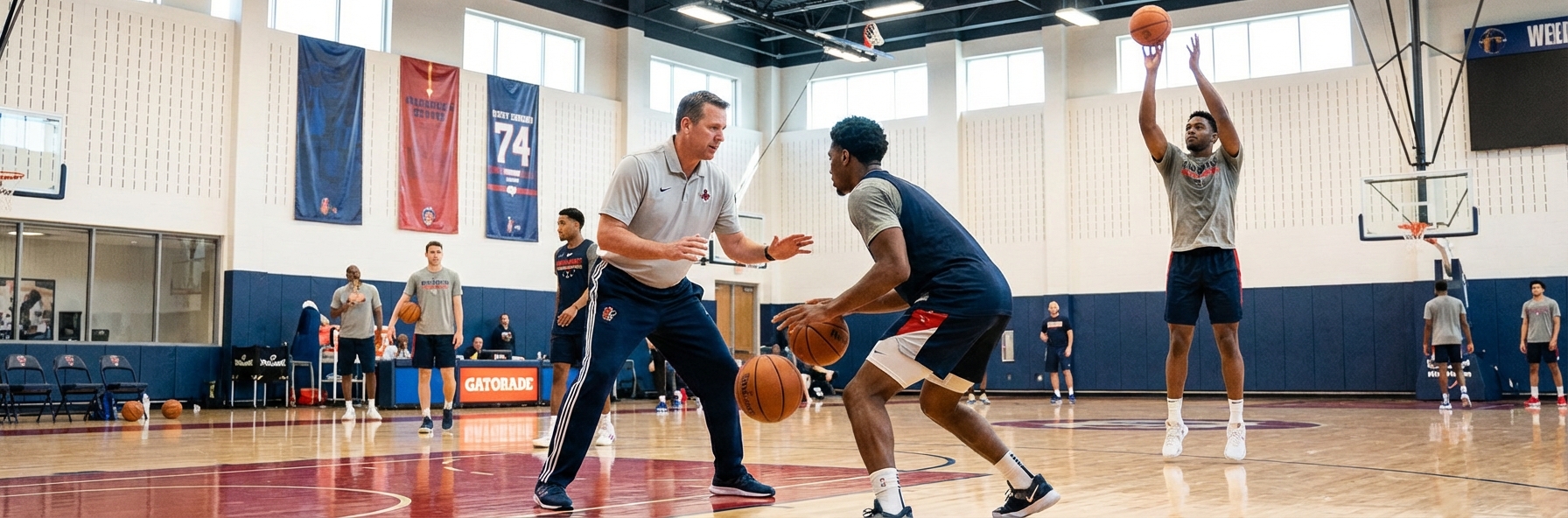
Team practices focus on plays, team defence, and collective execution. But individual skills - ball handling, shooting mechanics, footwork - improve most through dedicated personal training. Players who develop individually contribute more to their teams.
The Case for Individual Work
Why individual training matters:
Repetition volume: Individual sessions allow hundreds of repetitions impossible in team practice.
Personalized focus: Work on specific weaknesses rather than generic team needs.
Self-paced learning: Slow down to master technique, then speed up.
Mental development: Individual work builds discipline, work ethic, and confidence.
Ball Handling Development
The foundation of individual offense:
Stationary drills: Two-ball dribbling, figure eights, pound dribbles. Build hand coordination.
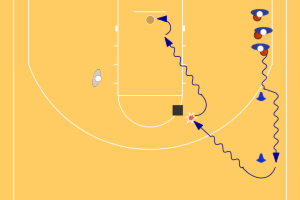
Movement drills: Full-court dribbling with changes of pace and direction.
Combo moves: Chain moves together - crossover to between the legs to behind the back.
Game speed: Once technique is solid, push speed toward game-like intensity.
Shooting Mechanics
Shooting improves through proper repetition:
Form shooting: Close to the basket, perfect mechanics. One-hand form shooting builds foundation.
Spot shooting: Same spot, same rhythm, grooving the shot.
Game shots: Off the catch, off the dribble, off screens. Practice the shots you'll take.
Free throws: Routine development. Same preparation every time.
Footwork
Often neglected but fundamental:
Triple threat: Jab steps, shot fakes, rip-throughs from athletic position.
Pivoting: Front pivot, reverse pivot, swing through. Protecting the ball while creating options.
Post moves: Drop step, up-and-under, face-up game. Footwork creates separation.
Defensive slides: Lateral movement, closeouts, drop steps. Defence is built on feet.
Finishing at the Rim
Converting at the basket requires specific work:
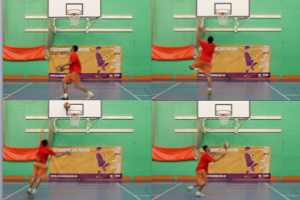
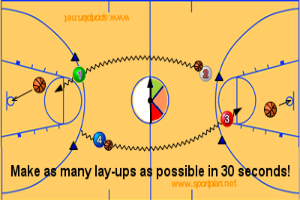
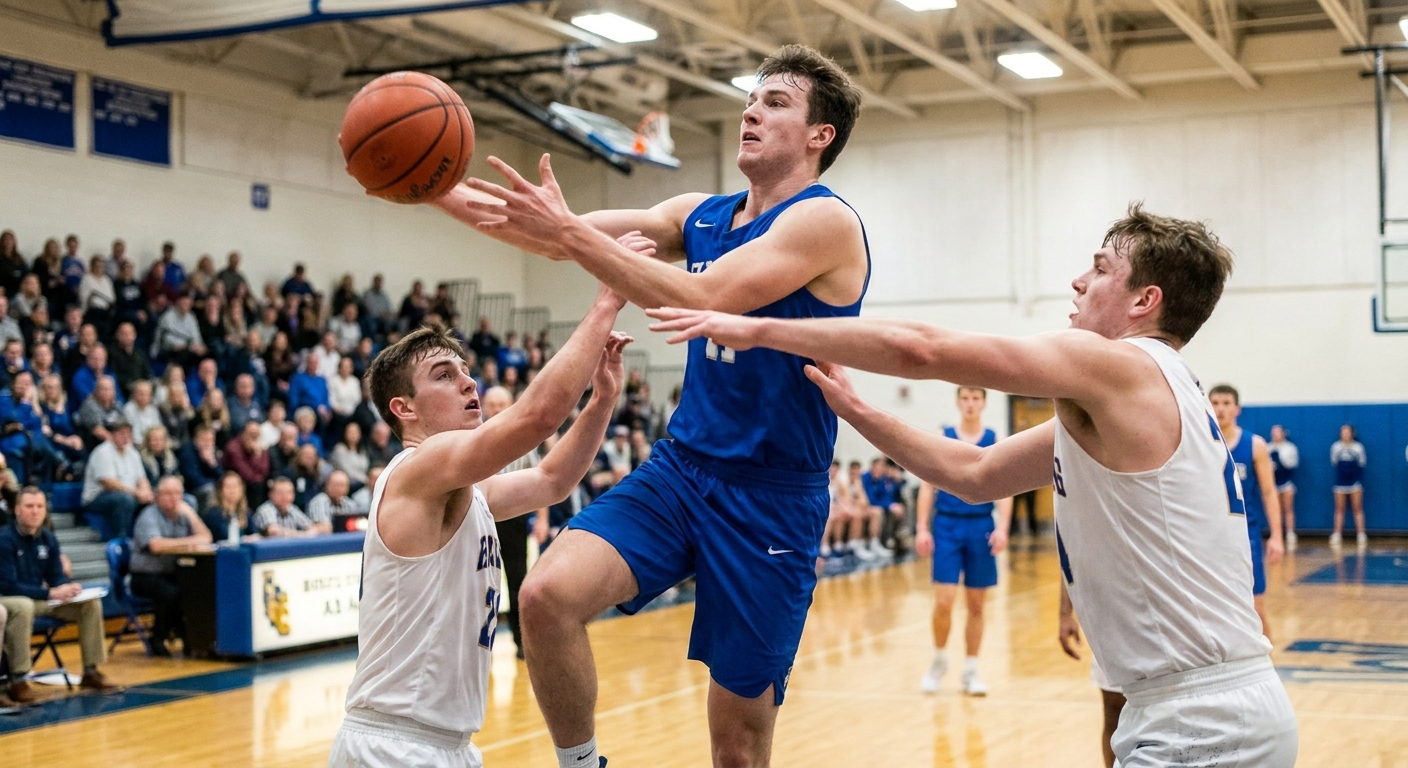
Layup variations: Both hands, various angles, reverse finishes.
Floaters: One-foot and two-foot floaters over shot blockers.
Contact finishing: Absorbing and finishing through contact.
Euro step: Change of direction move that creates space at the rim.
Structuring Individual Workouts
Consistency over intensity: Regular sessions beat occasional long sessions.
Purposeful practice: Every drill should have a specific development goal.
Track progress: Record results to measure improvement.
Game simulation: Incorporate game-like elements - fatigue, decision making, competition.
Key Coaching Points
- Individual work supplements team practice - both are necessary
- Repetition volume drives skill development
- Technique before speed - master form, then add pace
- Practice game shots at game speed from game spots
- Consistency in training produces consistency in performance