Play in twos
Team A serves the ball from behind the 2-meter line (badminton court) or the 3-metre line (volleyball court). This can be an overarm or underarm serve.
The receiving team catches (directly or after a bounce).
The child that catches the ball and volleys the ball to his team mate (setter) at
the net by means of a catch-throw movement.
By means of a catch-throw movement, the setter throws the ball to his teammate, who hits it over the net (while standing still or jumping).
The defending team catches the ball (directly or after a bounce) and throws
it to a team mate (setter) by means of a catch-volley movement.
By means of a catch-throw movement, the setter throws the ball to his teammate, who hits it over the net (while standing still or jumping).
After the team has hit the ball over the net, it rotates.
After scoring, the team that has ball possession starts serving.
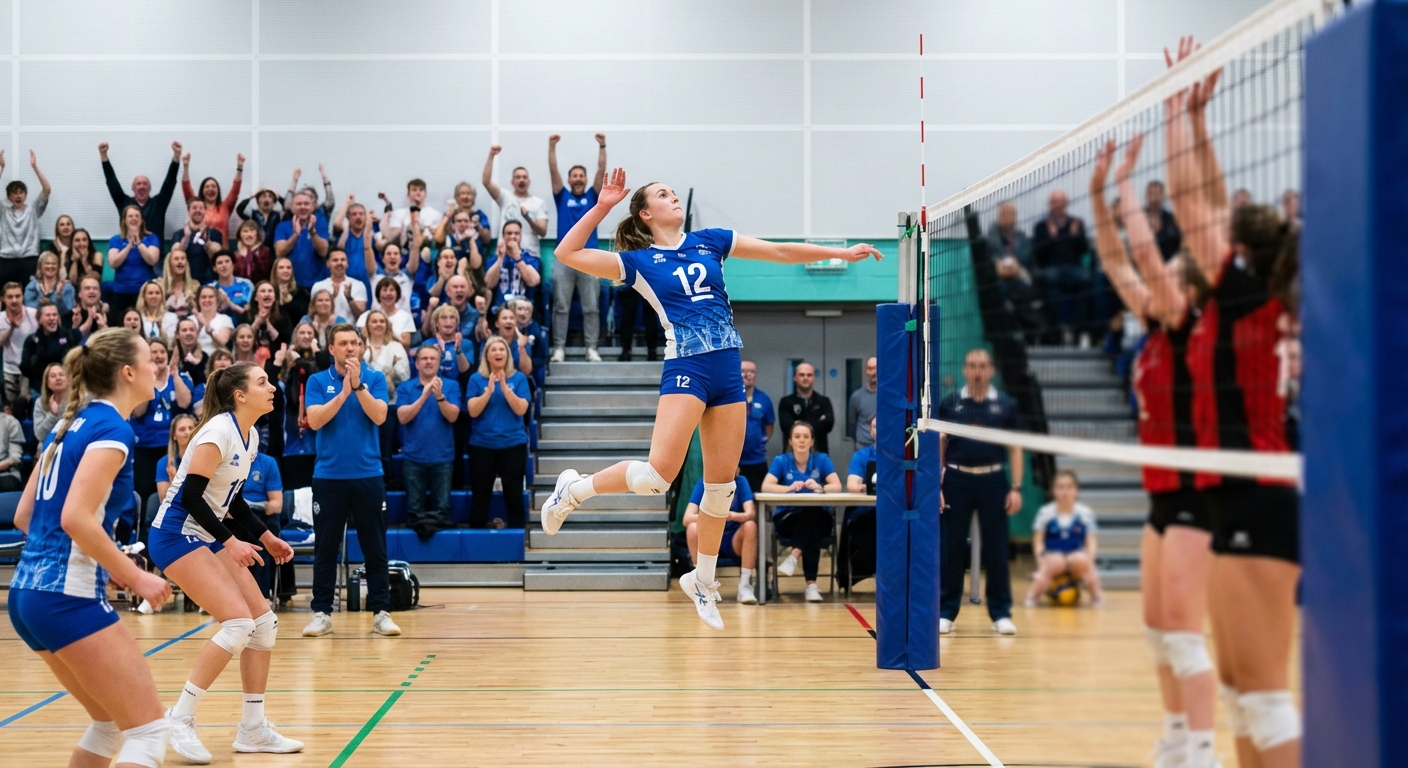
The back row attack adds a powerful offensive dimension that stretches the opposing block and creates scoring opportunities from unexpected positions. This guide covers the rules, approach footwork, setter-hitter timing, and progressive training methods for introducing back row attacks to developing teams.
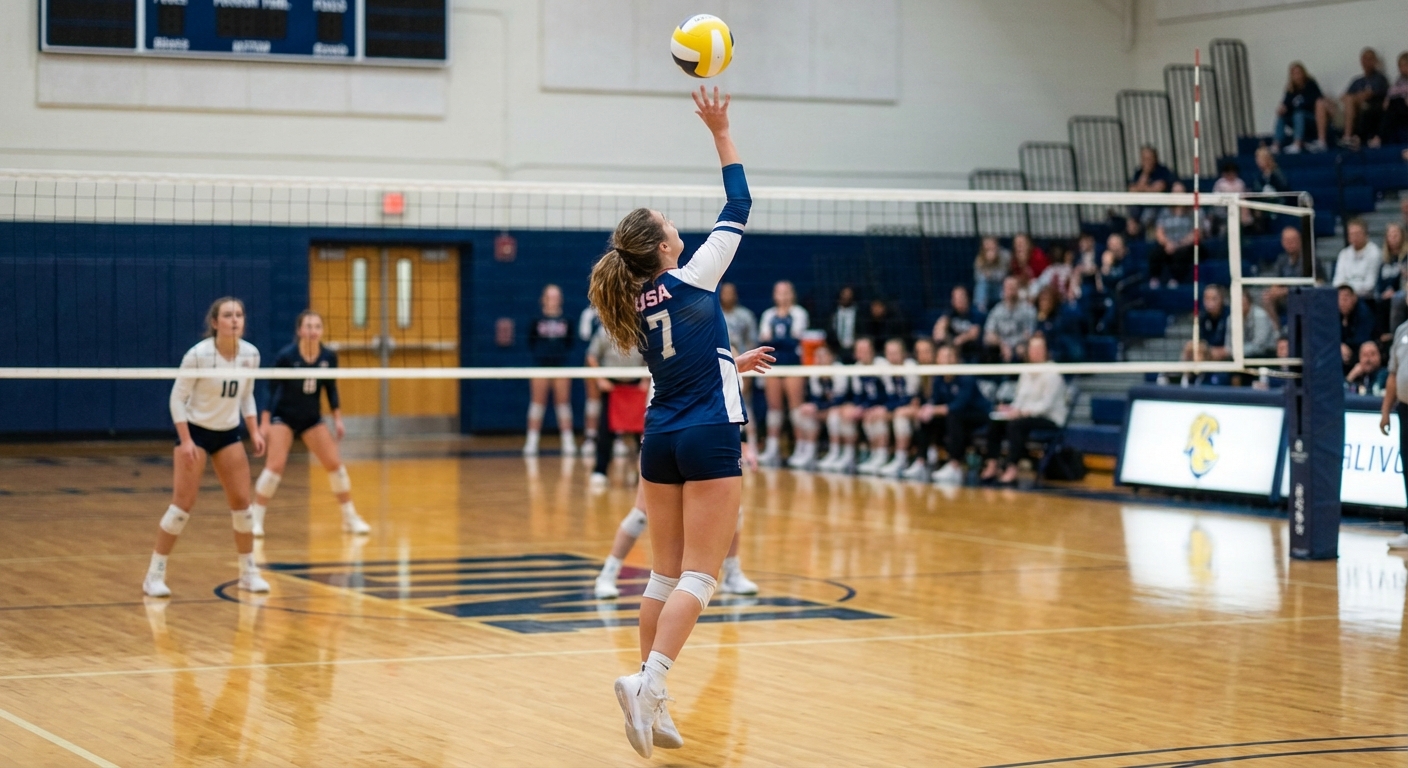
Choosing between a float serve and a jump serve is one of the most important tactical decisions in volleyball. This article examines the mechanics, strengths, and limitations of each serve type, and provides a framework for coaches to help players make the right serving decision in every match situation.
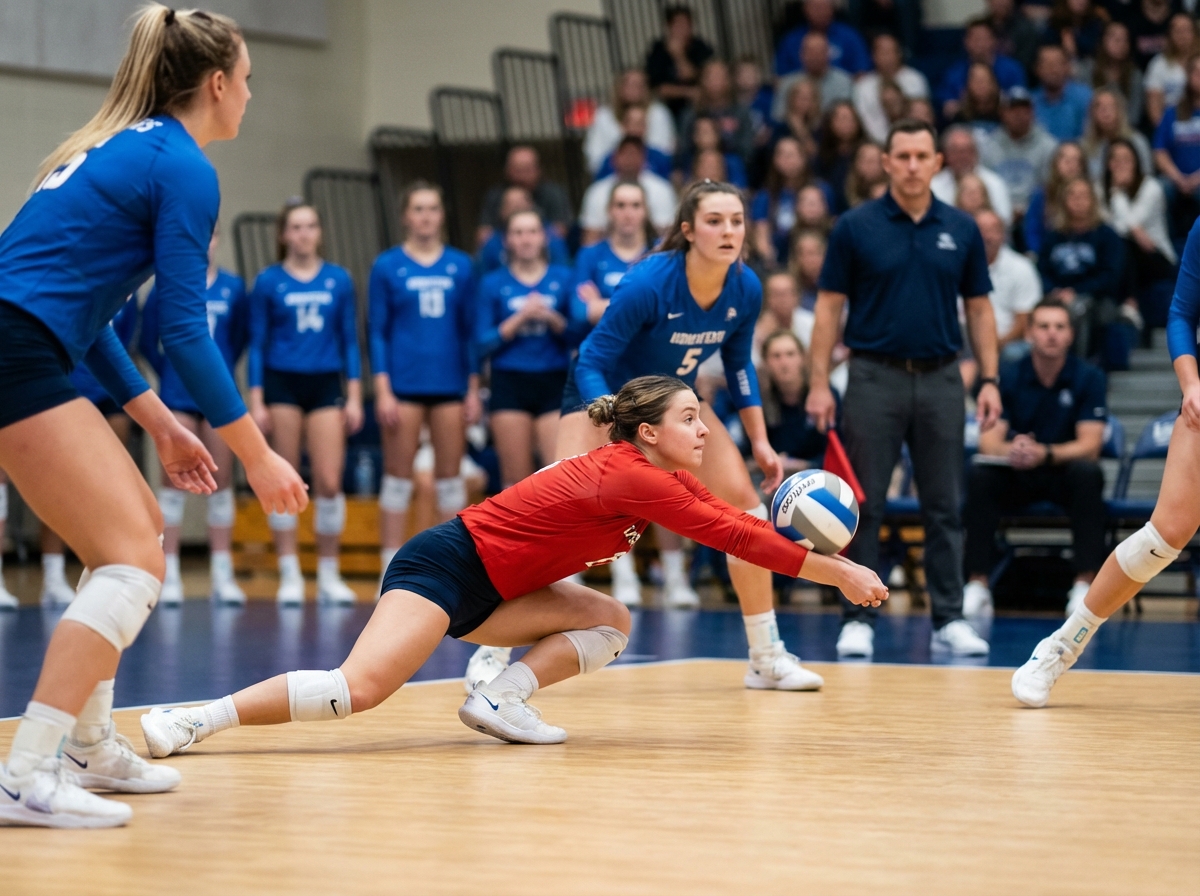
The libero position has never been more important. Here's how to develop elite defensive specialists who transform your team's back-court play.


Register for FREE and get coaching tips, top drills, session and more every week!