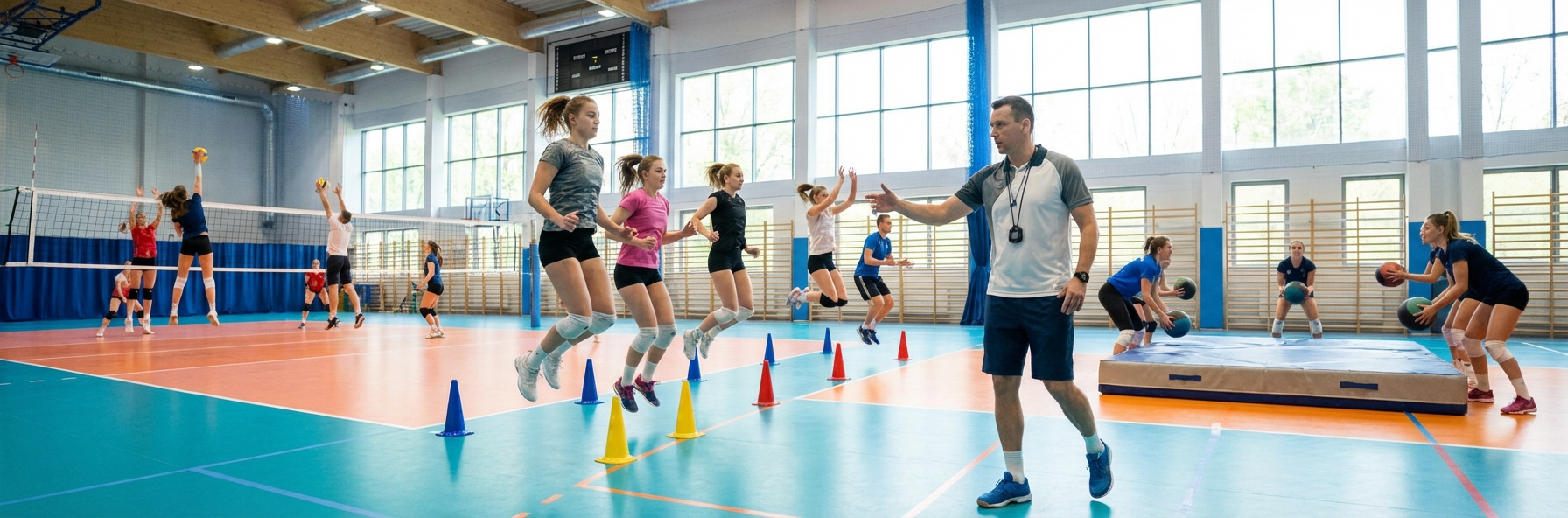
Physical preparation for volleyball must address the sport's specific demands: repeated explosive jumps, quick lateral movements, diving recoveries, and the endurance to maintain performance across five sets. AI-driven training load monitoring can reduce injury occurrence by up to 30%.
Power Development
Volleyball is a power sport:
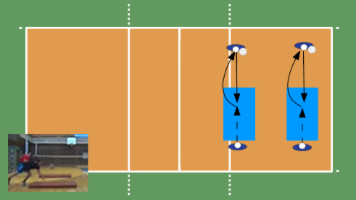
Vertical jump: Plyometric training develops explosive leg power for attacking and blocking.
Arm swing speed: Upper body power for serving and attacking velocity.
Core stability: Transfers power from legs to arms and maintains body control.
Landing mechanics: Proper technique prevents knee and ankle injuries.
Agility and Movement
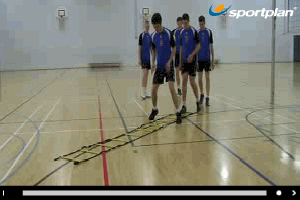
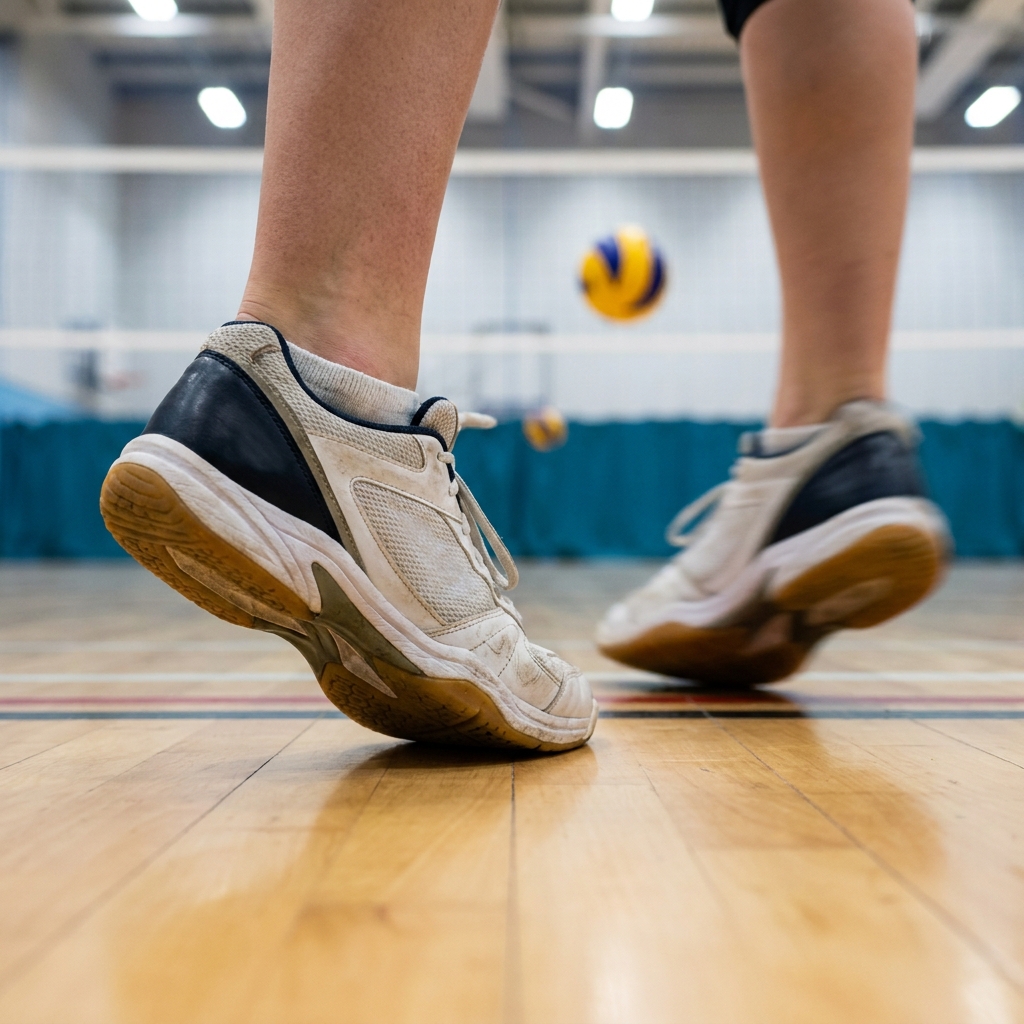
Lateral quickness: Blocking footwork and defensive slides.
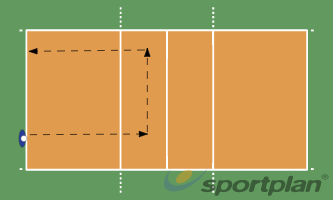
Change of direction: Transition plays require rapid movement changes.
First-step speed: Reacting to serves and attacks.
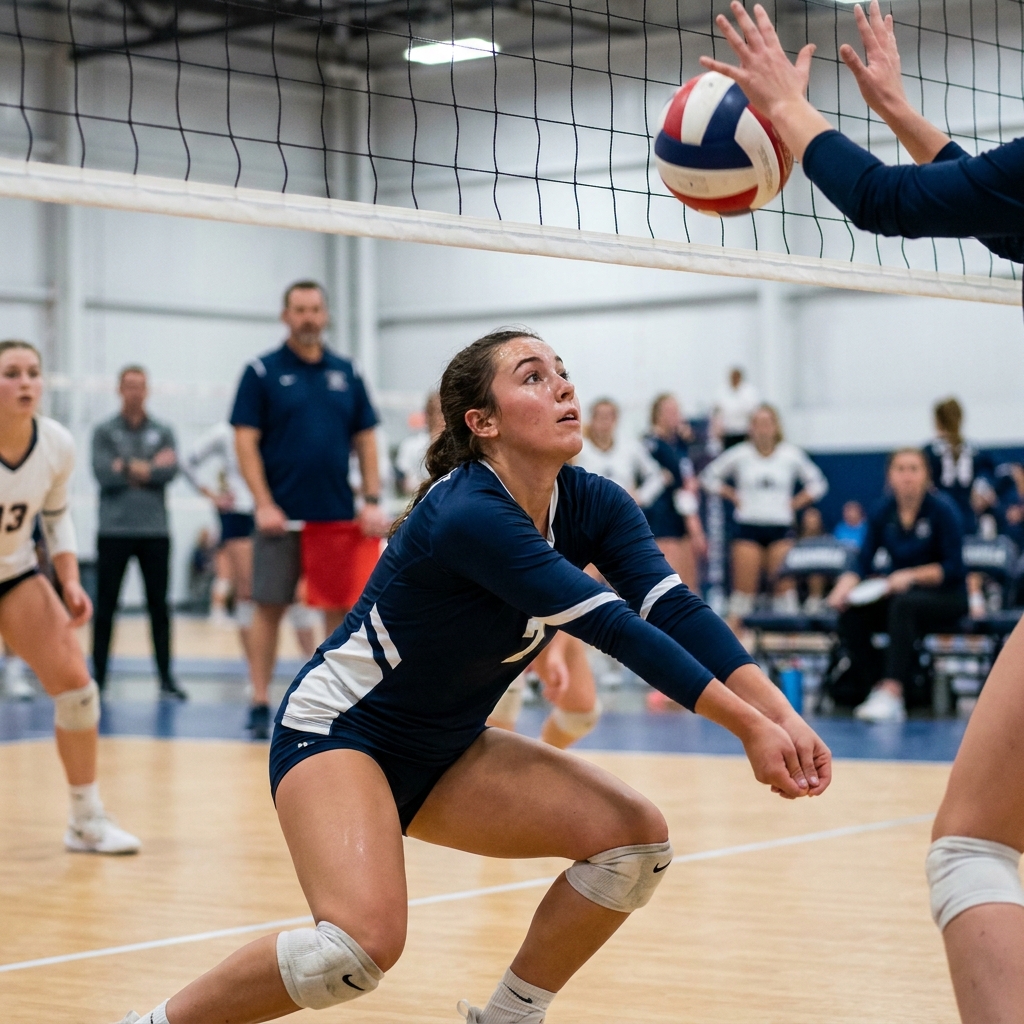
Diving technique: Safe floor recovery to maintain rallies.
Endurance for Matches
Intermittent demands: Short bursts of high intensity with brief recovery.
Match duration: Five-set matches can last over two hours.
Mental fatigue: Physical conditioning supports concentration late in matches.
Tournament play: Multiple matches per day requires recovery capacity.
Injury Prevention
Jump monitoring: Track jump loads to prevent overuse injuries.
Shoulder care: Rotator cuff and shoulder blade exercises for attacking demands.
Ankle stability: Proprioception training for landing on uneven surfaces.
Recovery protocols: Sleep, nutrition, and active recovery between sessions.
Key Coaching Points
- Training must be volleyball-specific, not generic fitness
- Power development supports all volleyball actions
- Injury prevention through proper technique and load management
- Recovery is part of training, not separate from it
- Monitor training load to prevent overuse injuries