Volleyball Tennis
- 2 lines in 6 at each basline of the court
- 1 player at a time on the court. The rest in line off the court
- coach tosses a free ball into play
- players forearm pass ball over the net to the opposite side then switch lines
- Controlled: go until 20 (+/- to make it harder/easier) controlled passes are made in a row
- Compeition: aim for the open spots on your opponents court. If you score a point...
a. the player who missed the ball is out for the round. last player standing wins
b. you get 1 point for your team (game to 10)
c. you get 1 individual point (game to 5)
d. the other player gets 1 strike. 3 strikes (or 2 to make it more difficult) and you're out for the game
Variations
1. 2 players on the court at one time. Teams stay on thier sides of the court and rotate within their own teams.
a. person who touches the ball goes out and 1 new player replaces them
b. after the ball is sent over the pair switches with the next two on their team
c. 2 contacts - player who makes first contact switches, player who makes 2nd contact switches, both players switch
2. 3 players
a. 1, 2, or 3 contacts
3. No swithing but teams must touch hands after the ball is sent over
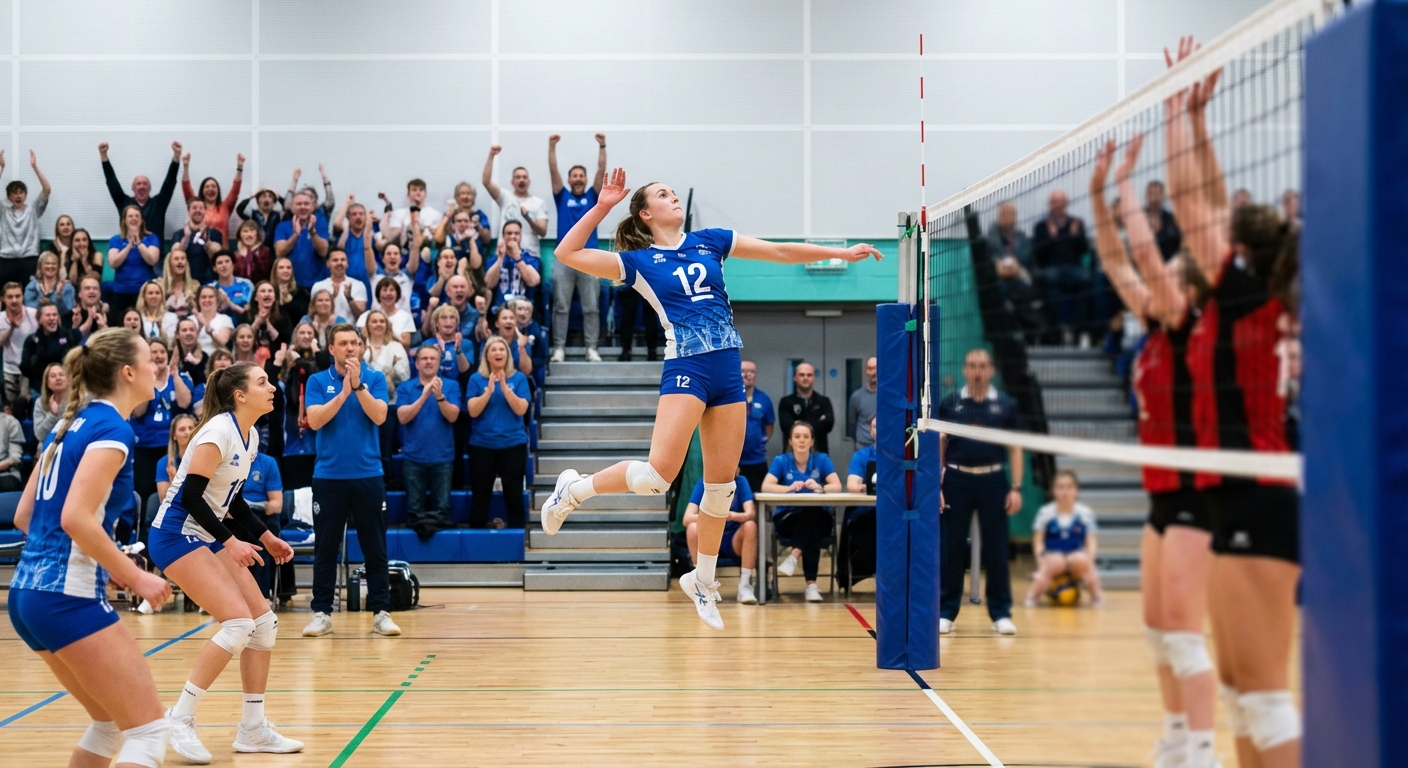
The back row attack adds a powerful offensive dimension that stretches the opposing block and creates scoring opportunities from unexpected positions. This guide covers the rules, approach footwork, setter-hitter timing, and progressive training methods for introducing back row attacks to developing teams.
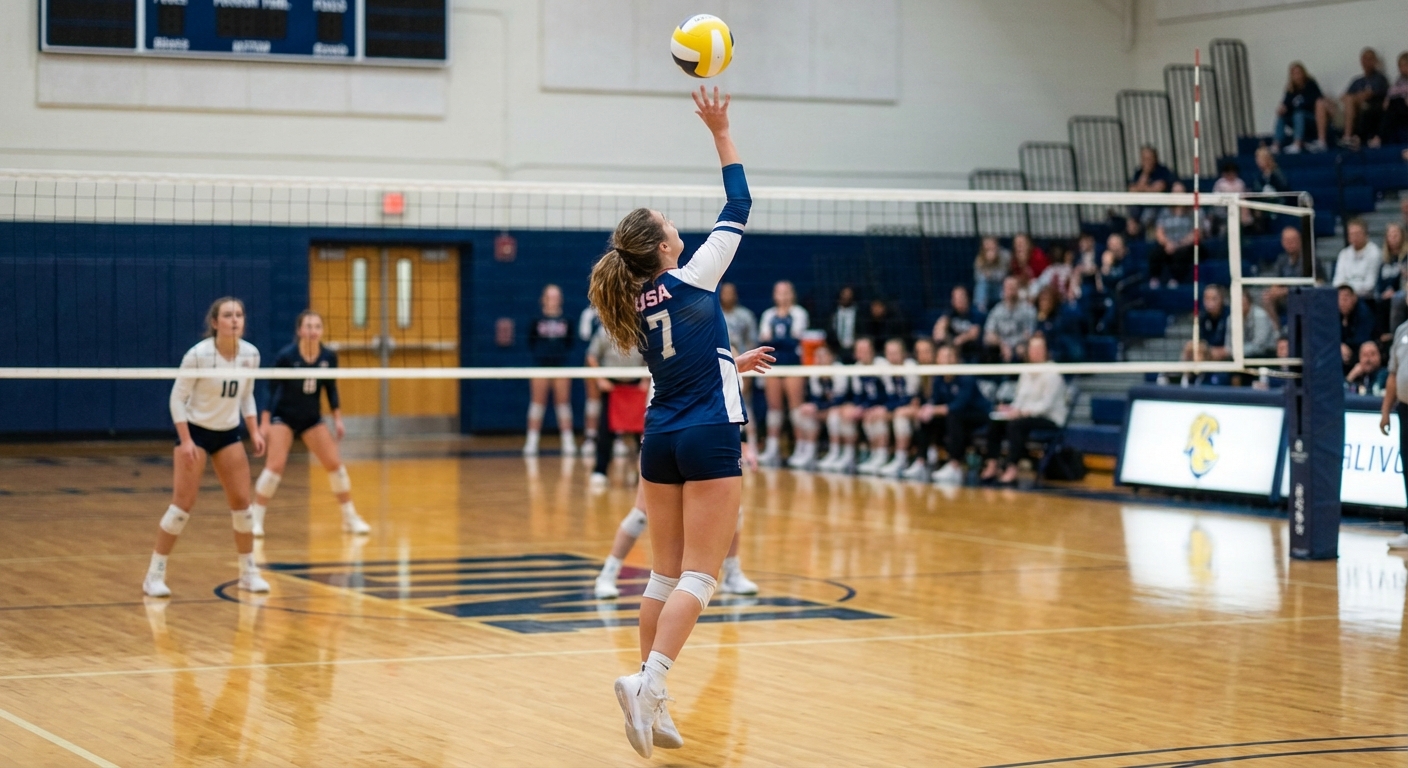
Choosing between a float serve and a jump serve is one of the most important tactical decisions in volleyball. This article examines the mechanics, strengths, and limitations of each serve type, and provides a framework for coaches to help players make the right serving decision in every match situation.
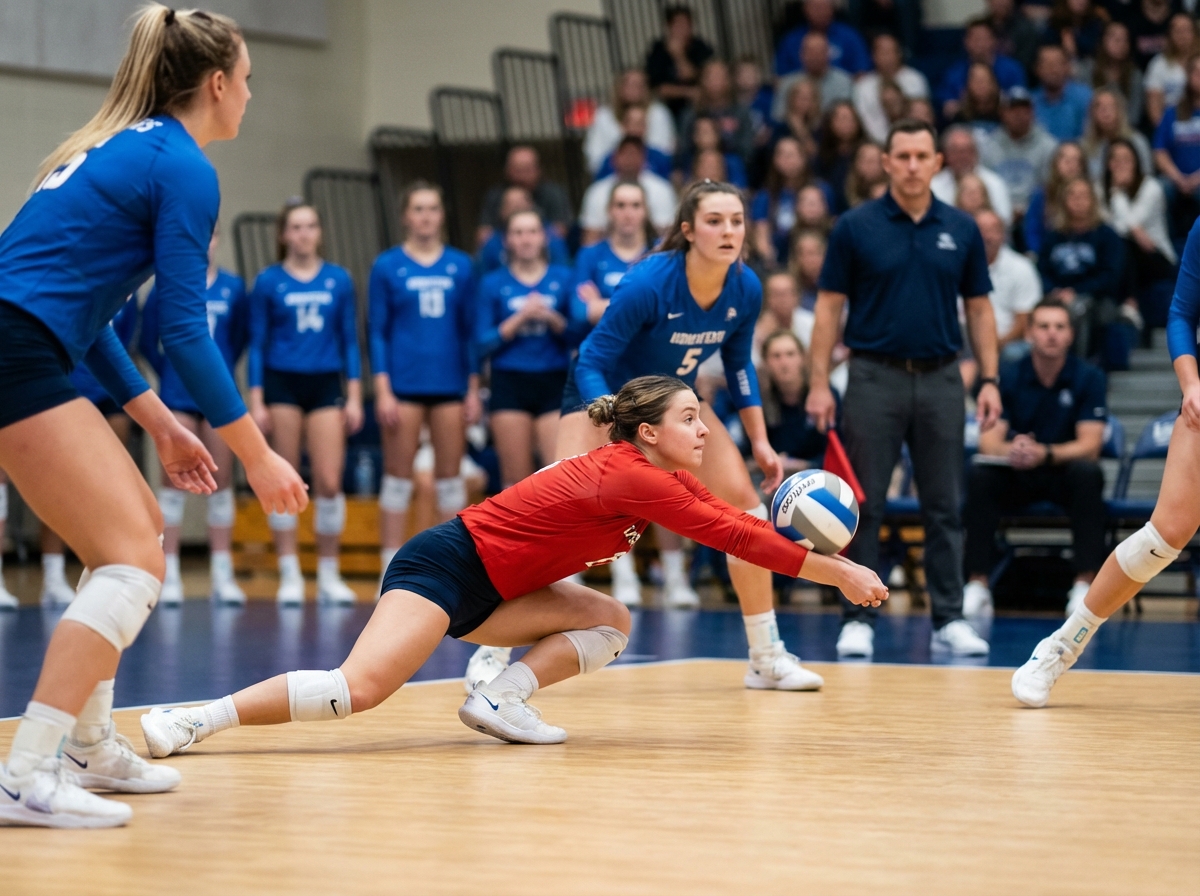
The libero position has never been more important. Here's how to develop elite defensive specialists who transform your team's back-court play.


Register for FREE and get coaching tips, top drills, session and more every week!