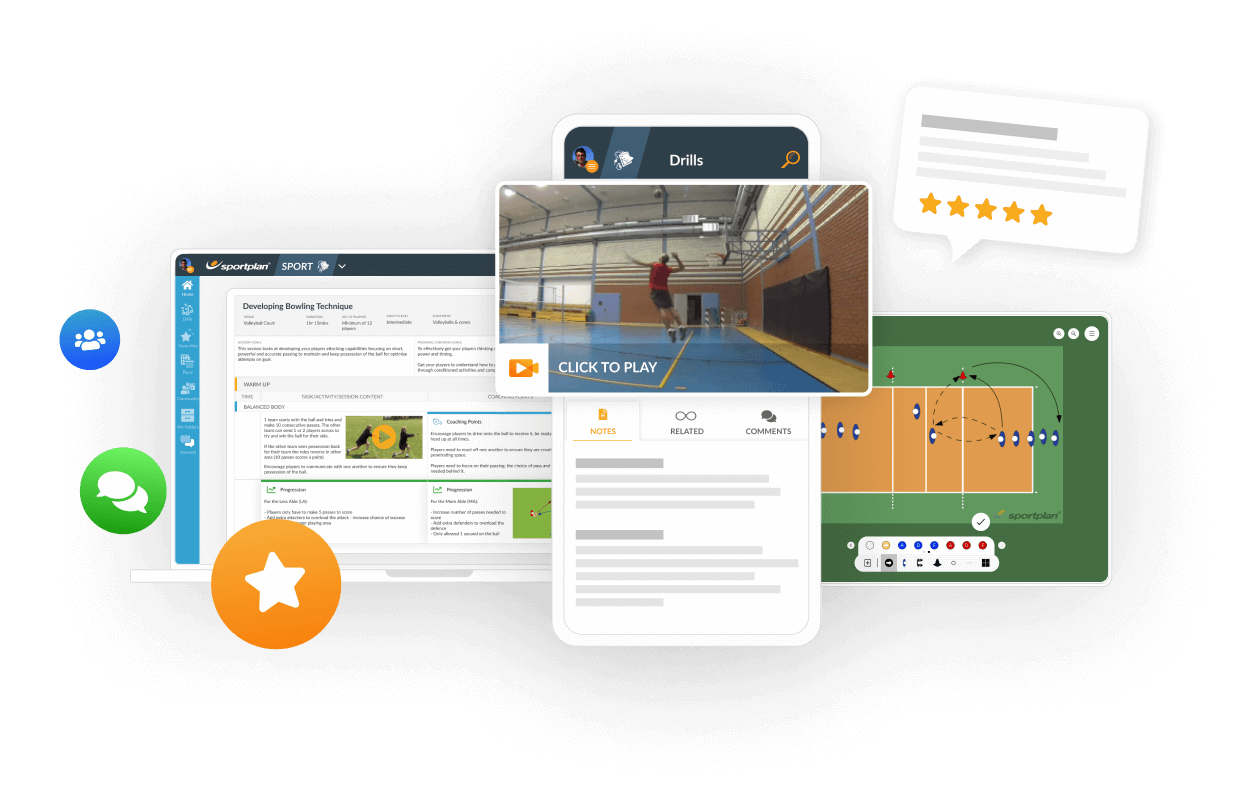
<p><strong>Digging and Setting Drill: </strong>Two pasing players are starting out 10 metres apart from each other who stand directly horizontal from each other. The hitter stands in the middle inbetween the two passes starting 5 metres back. The two passers start with volleyballs whilst the hitter runs to one side. Once the hitter has arrived at one side the passers throw an underarm pass to the hitter and the hitter sets or digs depnding and what side he/she is on. The hitter runs to the oppiside and the other passer throws an underarm pass to the hitter and the hitter either sets or digs depending on what side he/she is on. Each player must set and dig 5 times compentently. </p>
<ul><li>Underarm passes that are high and to the hitter. Making it eaisier for the hitter to set or dig the ball. </li><li>Digging and setting the ball with accucary, straight back to the passer. </li><li>Moving without the ball, running to a position where the hitter can best hit the ball. </li></ul>
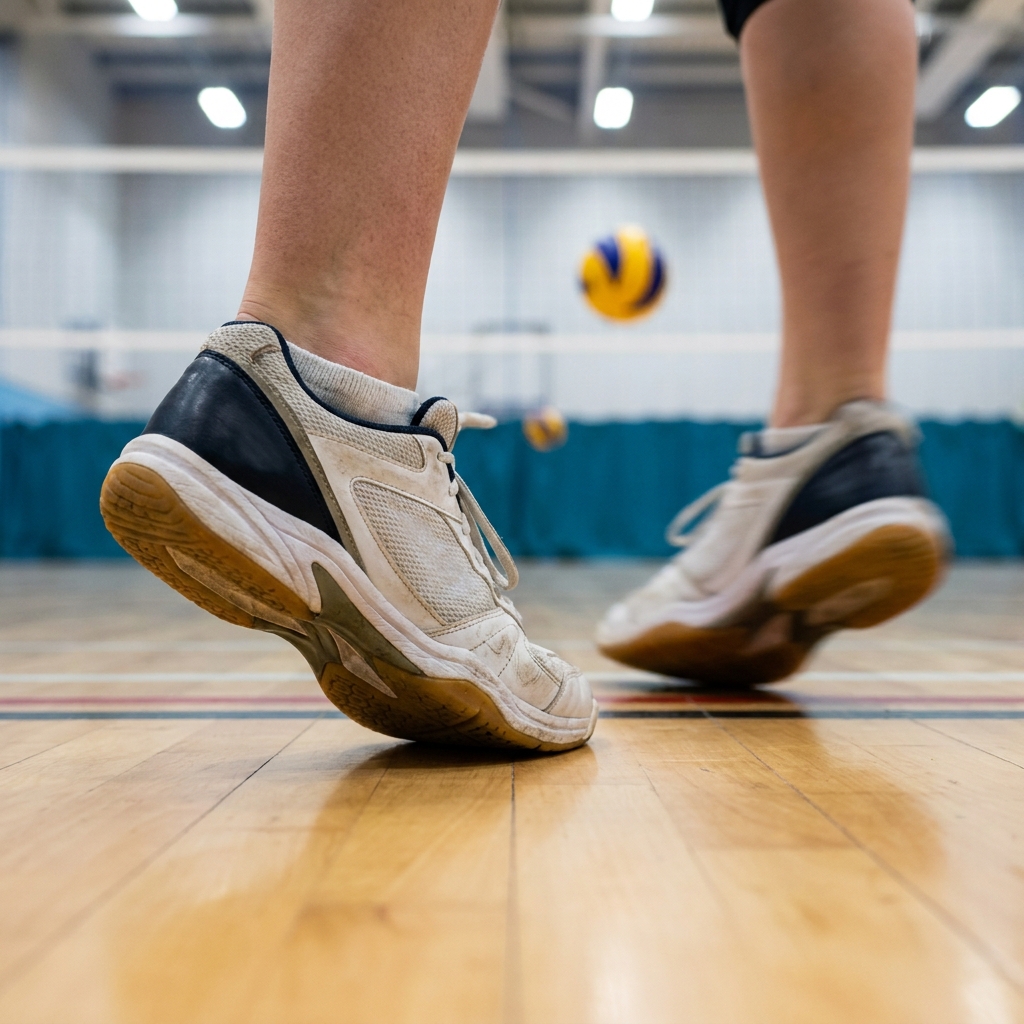
New hitters rarely miss because of their arm. They miss because of their feet. Build a reliable approach, then time it with your setter.
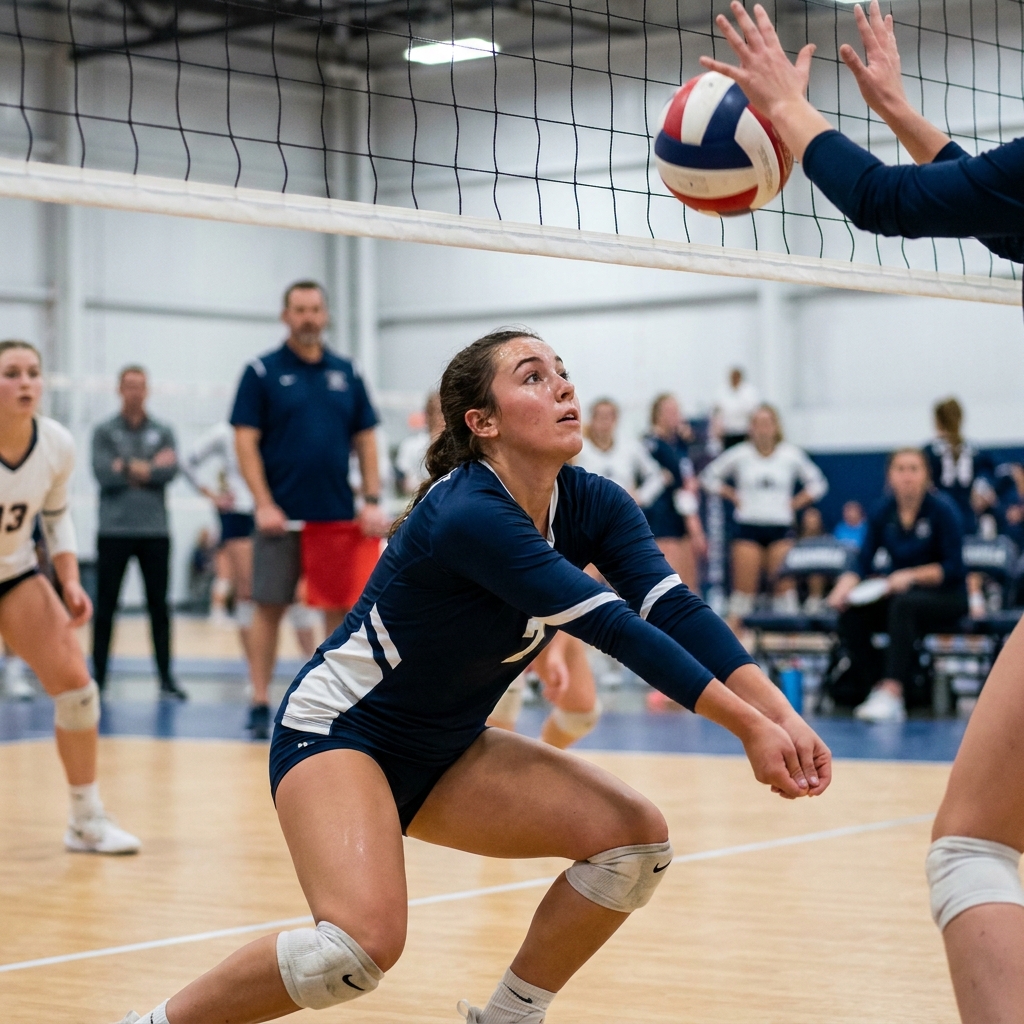
When your hitter gets stuffed, five teammates standing and watching is how you lose the point. Good attack coverage turns a blocked ball into a second swing.

Coaches spend hours correcting arms in serve receive when the real fault is almost always the feet. Fix the movement and the platform fixes itself.


Register for FREE and get coaching tips, top drills, session and more every week!