Step #1: Four players line up against each other at opposite baselines in teams of two. The coach or feeder stands between and behind one team, at the baseline, feeding balls.
Step #2: Coach feeds a short ball (around the service line) to the team on the far side of the net, and ALL FOUR players rush the net.
Step #3: Teams play out the point.
Step #4: Teams are trying to win points with the team hitting the coach's feed using approach shots they hit down the middle of the court, and subsequent volleys down the middle. Players will soon see that the only consistent way to win the point is with controlled shots down the middle.
Step #5: First team to 3 wins stays, the losing team rotates with the next team in line
Let your players know that they would normally not attack when their opponents are attacking on a short ball, but that this drill simulates what happens when teams make a commitment to attack, then hit a short ball, allowing their opponents to attack simultaneously. Another situation which would be similar would be when one team hits a short ball, and the other team is only able to respond with a short ball.
During play, two patterns will emerge: #1 The attacking team will lose many points with poor approach shots (in the net, long, too high over the net); #2 The team that keeps the ball down the middle will win the majority of the points.

A tiebreak is a short sprint where every point is worth the same as a break of serve. The players who win them are rarely the ones who hit hardest. Here is how to coach the patterns, habits and scoreboard thinking that win the big points.
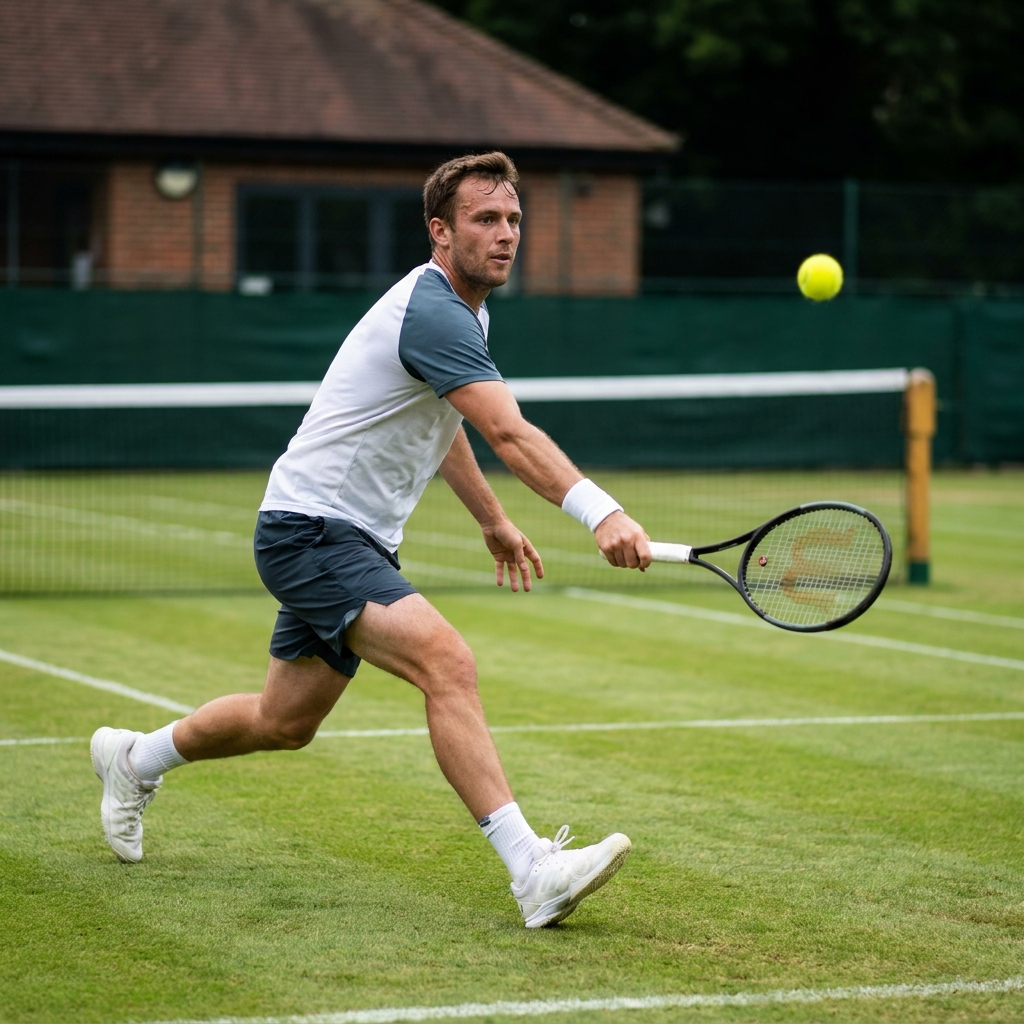
Most club players practise the serve on its own and then have no idea what to do with the ball that comes back. Serve plus one is the pattern that turns a good serve into a won point.
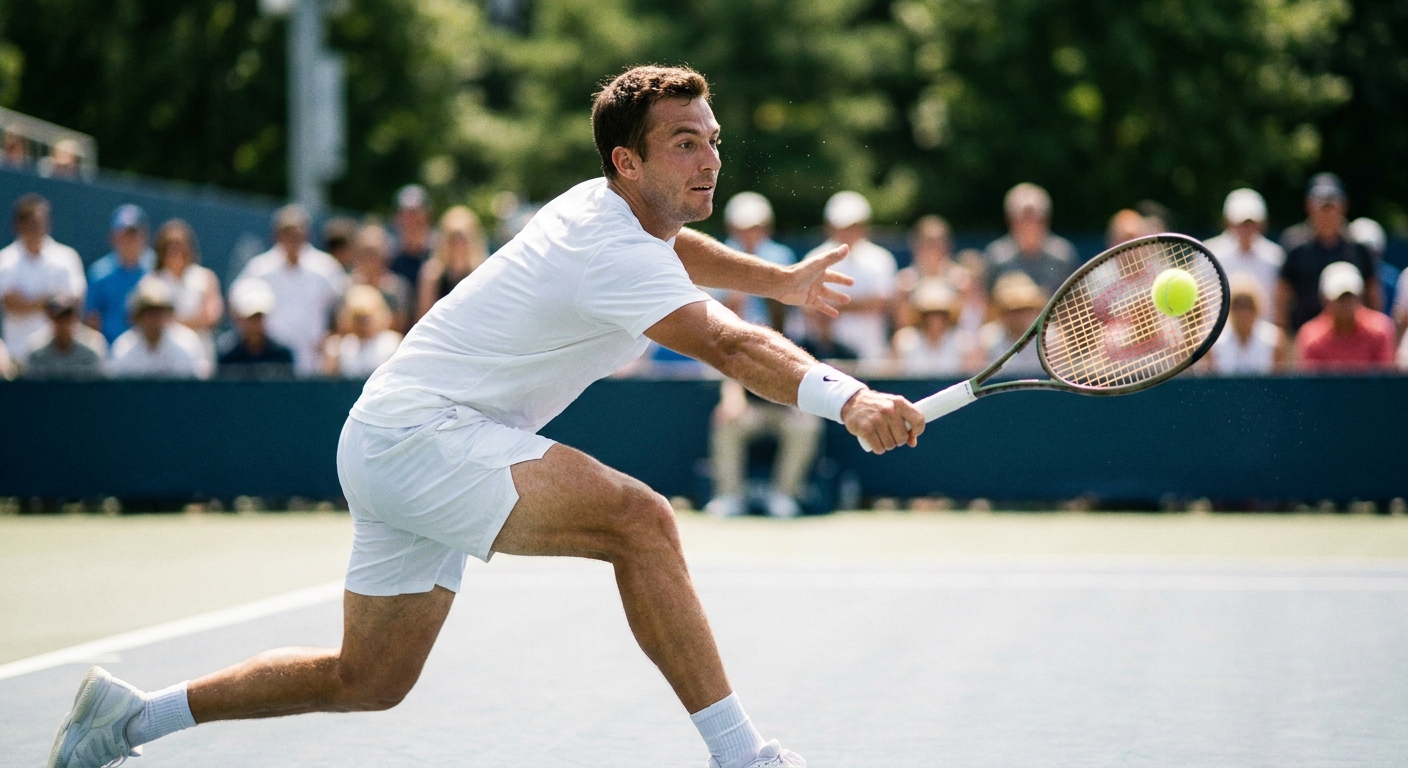
Wimbledon has just crowned another champion, and if you watched closely you saw the same thing every year: the best returners quietly won the tournament. Here is how to coach a return that pressures the server rather than just surviving it.


Register for FREE and get coaching tips, top drills, session and more every week!