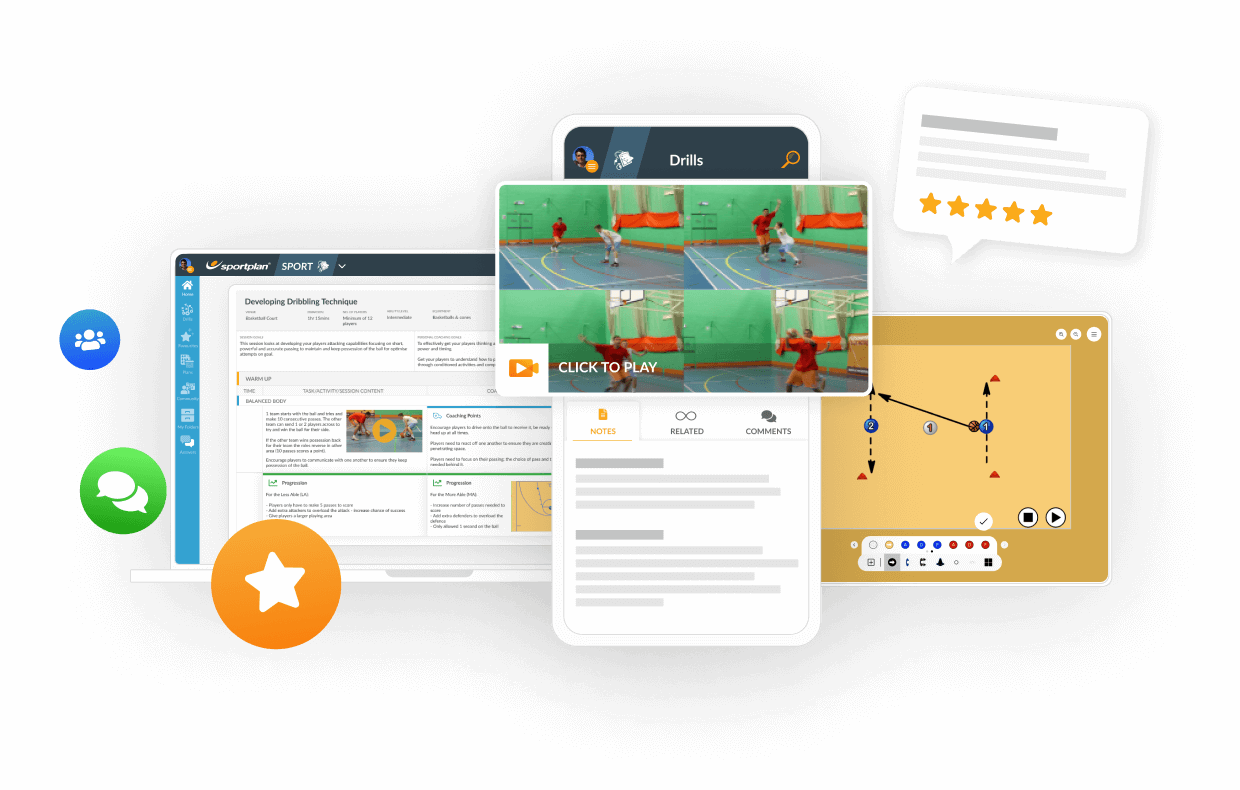
- O3 is always the inbounder. O1 is up to get the inbounds pass. O2 and O4 are at the sidelines just inside the half-court line. O5 goes long
- Our first option is to look to make the inbounds pass up the sideline to O2 or O4. If this pass is open and completed, we usually get a 2-on-1 attack fast-break. Otherwise, the pass goes to O1 in the corner, and the opposite half-court player (O4 in the diagram) will move toward the middle looking for the pass
- Meanwhile, the ball-side half-court player (O2) moves up the sideline looking for the pass "over the top". O1 looks to pass to either O4 or O2, or if necessary, can pass back to O3, circle back, and then get the pass back from O3. O3 always stays behind the ball for the pass back out of trouble. If O3 gets the pass, then O1 always stays back behind O3.
- O4 looks to make the pass to O2. O2 has a 2-on-1 situation and looks to attack the basket for a layup, the foul or pass-off to O5. Make sure O5 is on the opposite block.
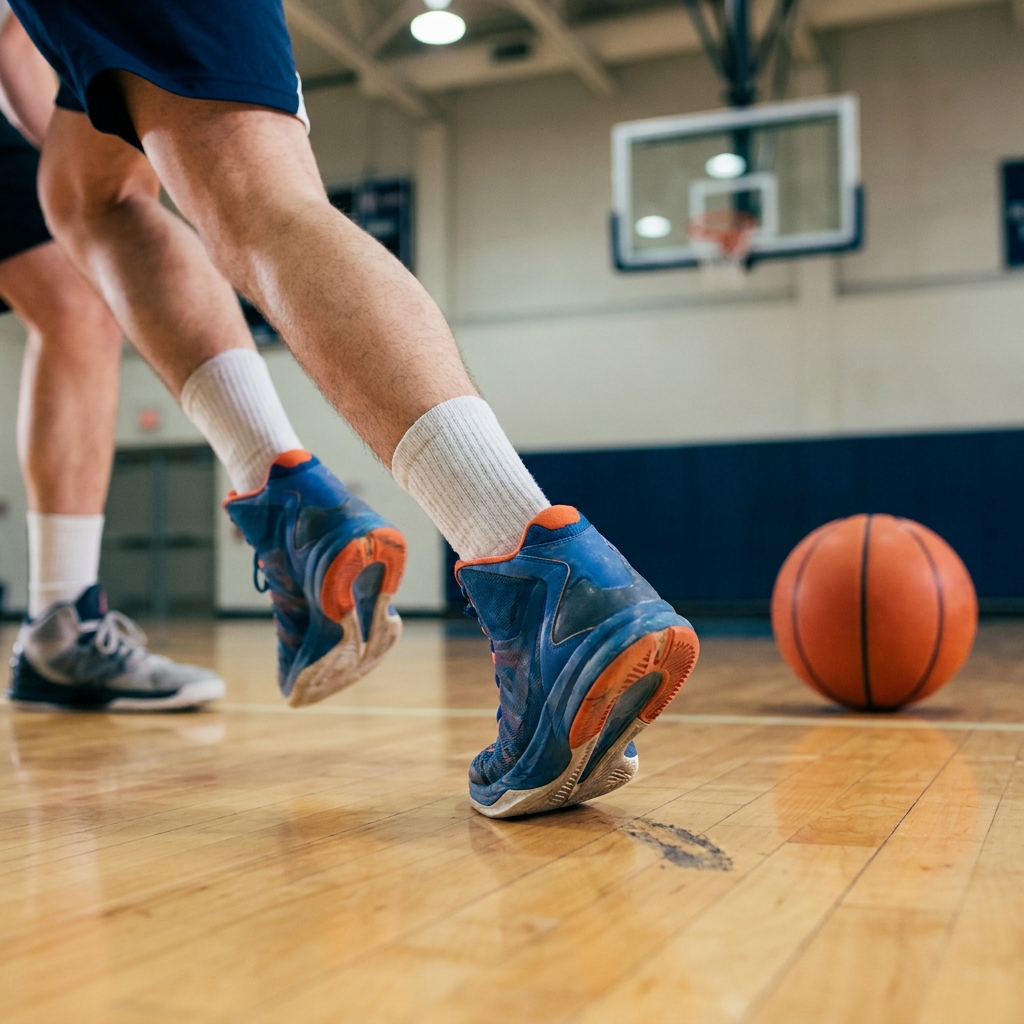
Four players standing still make every ball handler's job harder. Teach V-cuts, L-cuts and back cuts so your team gets open and punishes defenders who overplay.
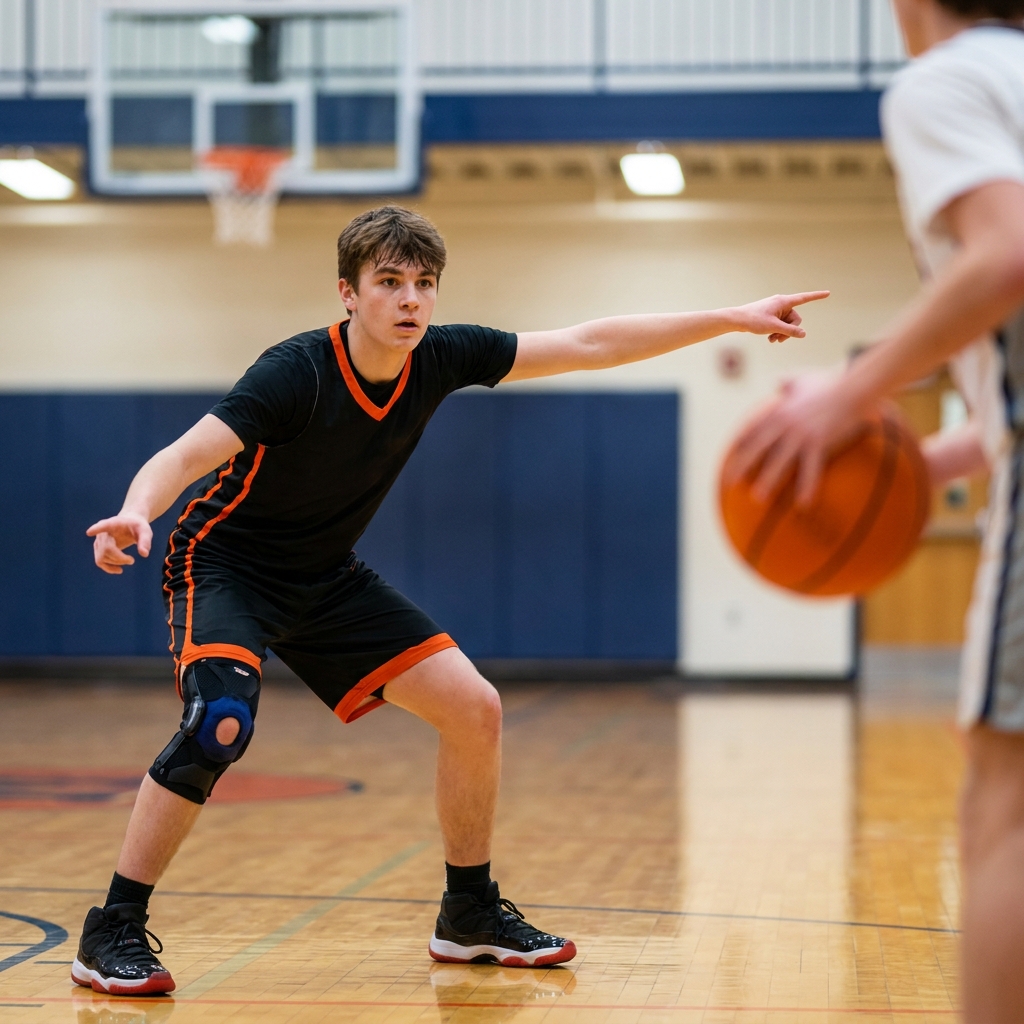
Good team defence is five players guarding the ball, not five separate one-on-ones. The shell drill is where that starts, so here is how to teach help-side positioning and rotations from the first week of the season.
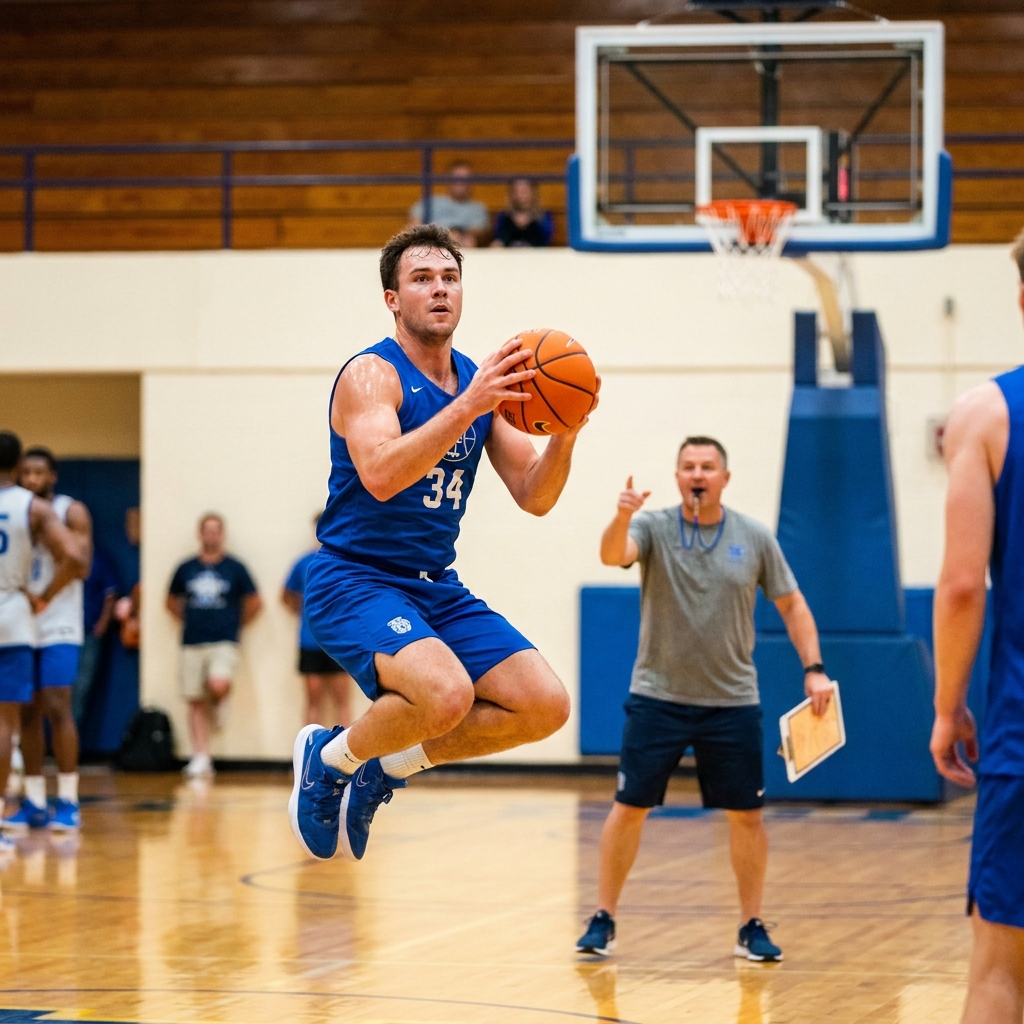
Rebounding is the least glamorous thing in basketball and one of the most decisive. It is also almost entirely a habit, which means it is entirely coachable.


Register for FREE and get coaching tips, top drills, session and more every week!