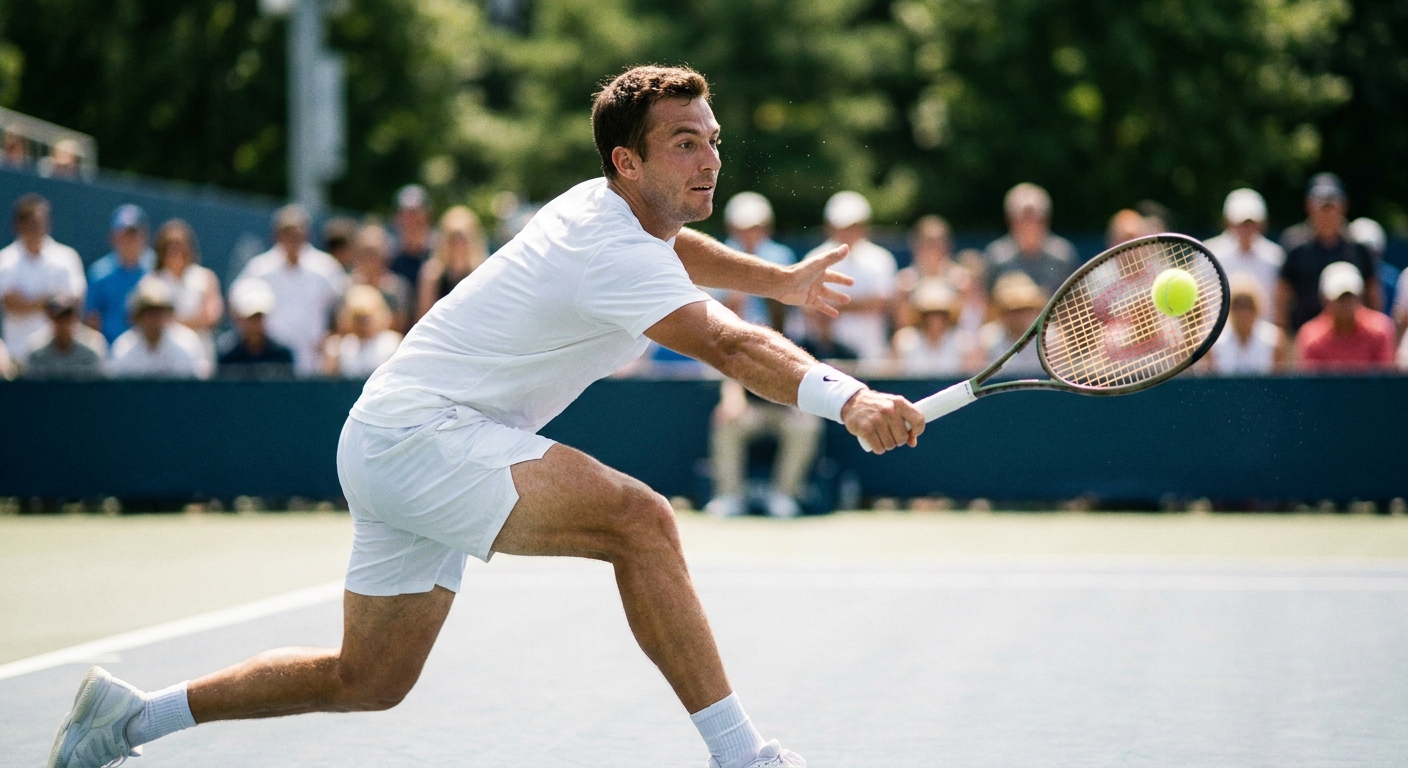
Modern tennis features serves regularly exceeding 200 km/h. At these speeds, traditional return techniques struggle. The returner has roughly 0.4 seconds to read, react, and execute. Success requires preparation, positioning, and abbreviated technique.
Great returners don't just react faster - they prepare smarter and simplify their mechanics under pressure.
Positioning Decisions
Where you stand to return dramatically affects your options:
Standard position: Behind the baseline, giving time to read spin and direction. Suits consistent servers with moderate pace.
Deep position: 2-3 metres behind the baseline against big servers. Sacrifices court position for reaction time. Djokovic popularised this approach.
Inside position: On or inside the baseline to take time away from the server. Aggressive but risky - requires excellent anticipation.
The key insight: position should vary based on the server, not remain constant. Against a big first serve, stand deep. On second serve, step in aggressively.
Reading the Serve
Anticipation is the great equaliser against power:
Ball toss: Different serves require different tosses. A toss further into the court suggests a flat serve. A toss behind the head suggests kick. Watch the toss to narrow down options.
Body position: The server's stance and shoulder angle provide clues. An open stance often indicates a wide serve.
Patterns: Most servers have tendencies. Chart their serves during matches - where do they go under pressure? On big points?
Rituals: Some servers telegraph direction through pre-serve routines. Subtle variations can indicate intent.
Simplified Mechanics
Against pace, simplify your swing:
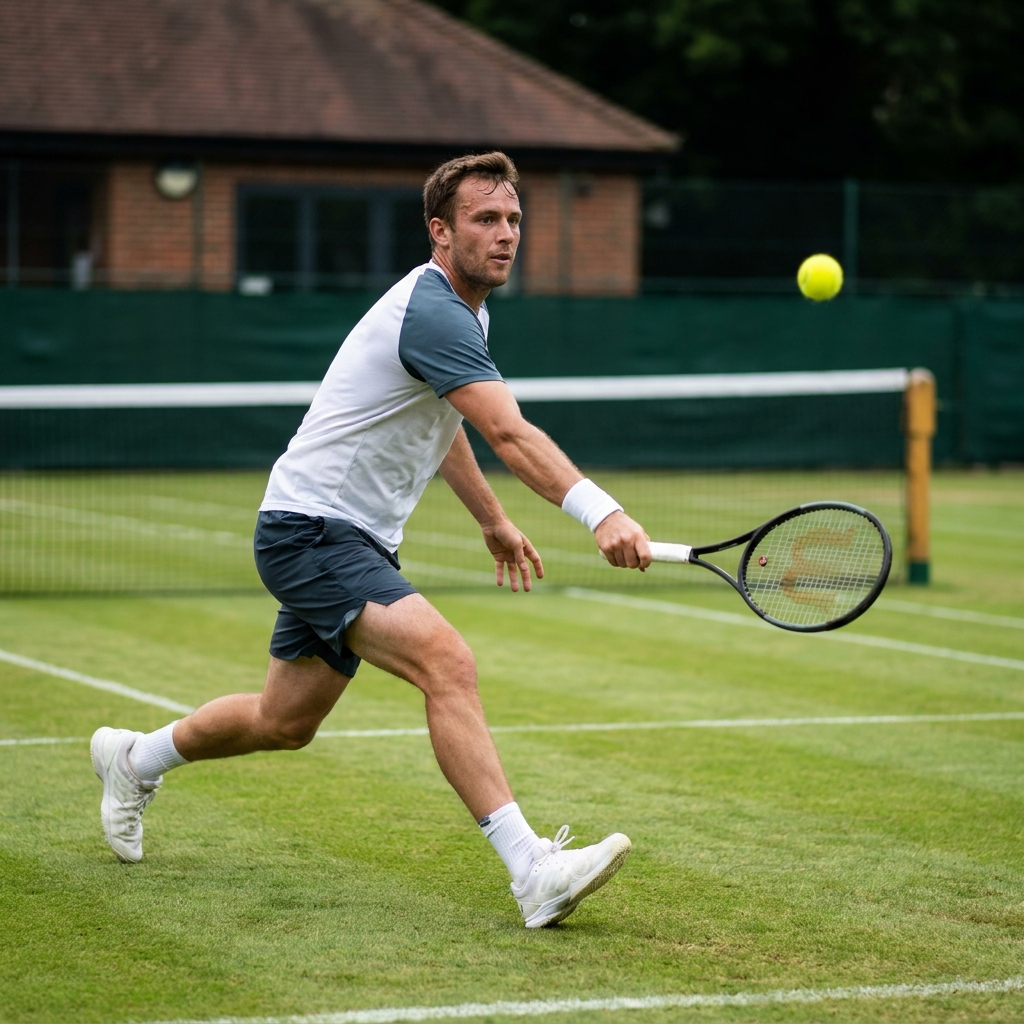
Compact backswing: There's no time for a full take-back. Use a shorter, more direct path to the ball.
Block returns: Sometimes the best return is a well-placed block, using the server's pace rather than generating your own.
Early contact: Meet the ball in front, before it pulls you backward. Late contact against big serves is ineffective.
Split step timing: The split step as the server contacts the ball is non-negotiable. This ready position enables quick movement either direction.
Return Targets
Where to aim depends on the situation:
Deep crosscourt: The safest return. Gives margin for error, keeps the server back, and creates a neutral rally.
Down the line: Higher risk but can wrong-foot the server. Use sparingly to keep them honest.
At the feet: Against serve-and-volleyers, aim low and at their feet as they approach. Force a difficult first volley.
Lob return: Against aggressive net rushers, the surprise lob can be devastating. Requires good disguise.
Second Serve Returns
The second serve is your opportunity to attack:
Step inside the baseline: Take the ball earlier to pressure the server.
Full swing: With more time, use your full groundstroke technique.
Be aggressive: A weak second serve return invites the server to dictate. Punish short balls.
But don't over-attack. The goal is to win the point, not end it on the return. A deep, aggressive return that starts the point on your terms is often better than a risky winner attempt.
Mental Approach
Returning against big servers is as mental as physical:
Accept some aces: Even elite returners get aced. Don't let it affect confidence on the next point.
Focus on trends: Win percentage matters more than individual points. Stay patient.
Celebrate breaks: One break per set is often enough. Treasure return games won.
Stay loose: Tension kills reaction time. Stay relaxed through the ready position.
Key Coaching Points
- Vary positioning based on server speed and second serve opportunity
- Read the toss and server body position for early clues
- Simplify mechanics against power - compact swings and block returns
- Attack second serves but maintain margin
- Accept some aces - focus on overall return performance