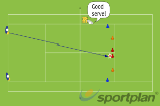
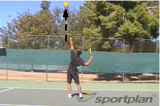
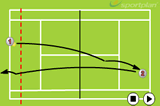
The coach stands on the service line (ad side), and the player starts from the baseline. The coach serves to the T, so that the players hits a forehand return cross-court. After successful hit into the zone, the player moves forward between service line and baseline, and hits another return. After successful hit into the zone, the player moves forward to the service line to execute another return.
Return is one of the most important strokes in modern tennis. Quick reaction and control of the stroke are skills that should be developed from the early stages of tennis development to guarantee positive results in the future.
In this drill, the player works on return from different areas on the court. Moving closer to the serves makes this task really difficult. Players have to focus on control instead of the power to achieve the goal.
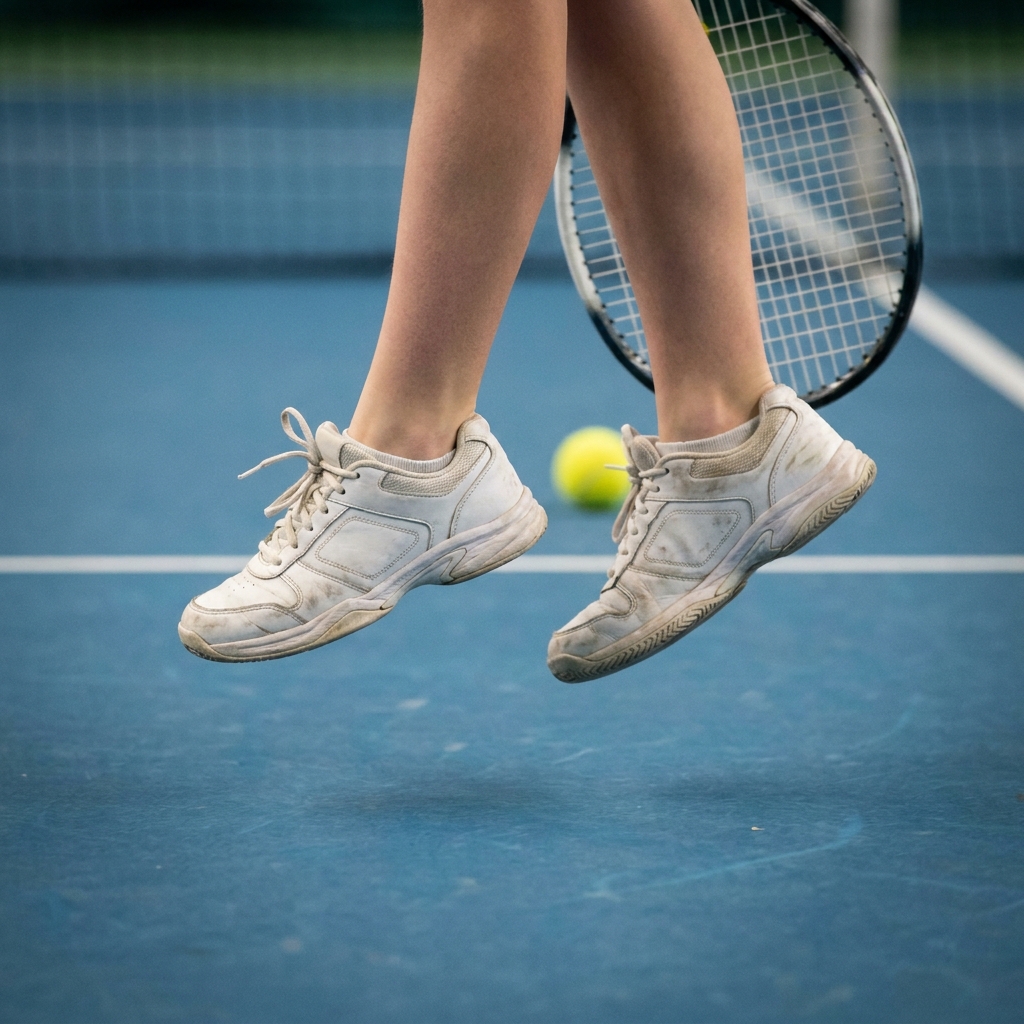
Indoor courts give players less time and less room. Help them sharpen their split step, shorten their swing and stay calm, and winter becomes a season of real progress.
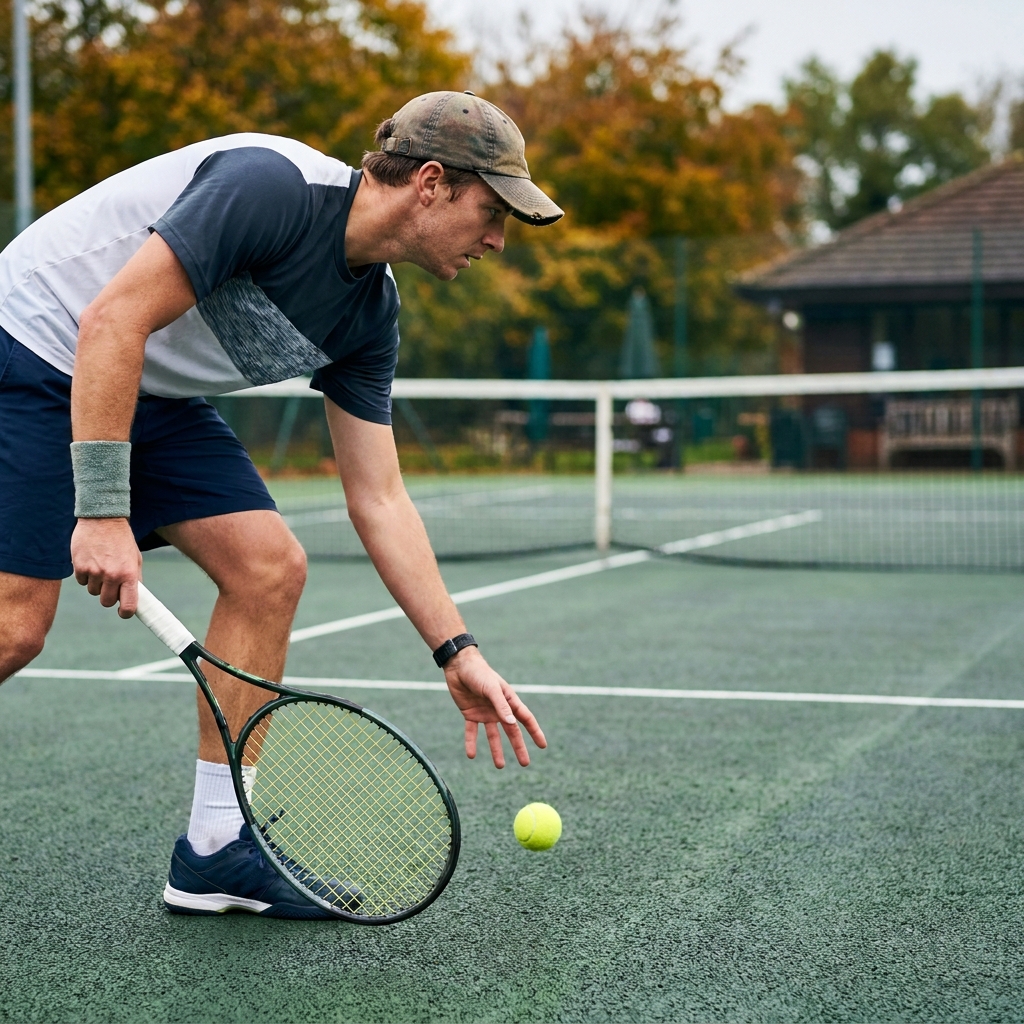
A tiebreak is a short sprint where every point is worth the same as a break of serve. The players who win them are rarely the ones who hit hardest. Here is how to coach the patterns, habits and scoreboard thinking that win the big points.
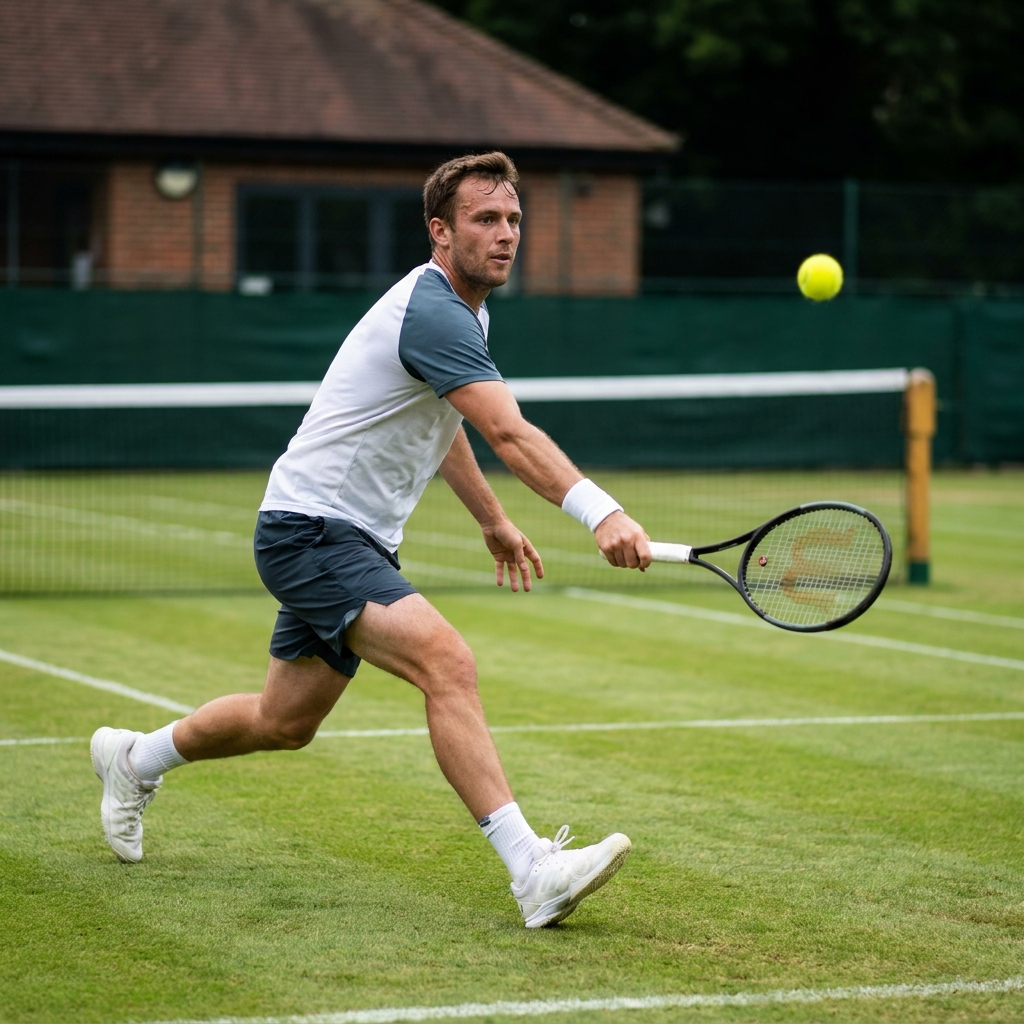
Most club players practise the serve on its own and then have no idea what to do with the ball that comes back. Serve plus one is the pattern that turns a good serve into a won point.


Register for FREE and get coaching tips, top drills, session and more every week!