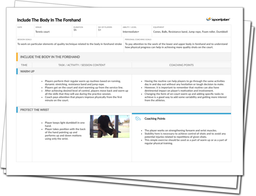
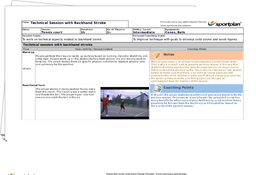
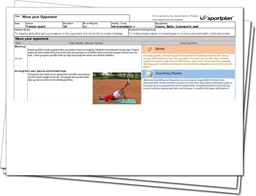
To get your players going full steam ahead, attack the ball and make them more comfortable when using their volley - enabling them to knock their opponent's for six - this session aims to get your players working hard!
But why attack the ball I hear you ask, is it not better to sit back and play safe shots? Well, in answer to this the answer is mixed - Yes, it can be risky going forward and volleying at close range but there are also many positive reasons advocating attacking play:
To get more consistent volleying from your players we work on their rat-a-tat exchanges, getting them to work on their lower arm strength as they improve these delicate and quick exchanges. Working in pairs at close range, players begin by working co-operatively trying to keep the ball from hitting the ground. As the drills progress so too does the element of competition, using aggressive play to develop all areas of the players net game for use in singles and doubles.

A tiebreak is a short sprint where every point is worth the same as a break of serve. The players who win them are rarely the ones who hit hardest. Here is how to coach the patterns, habits and scoreboard thinking that win the big points.
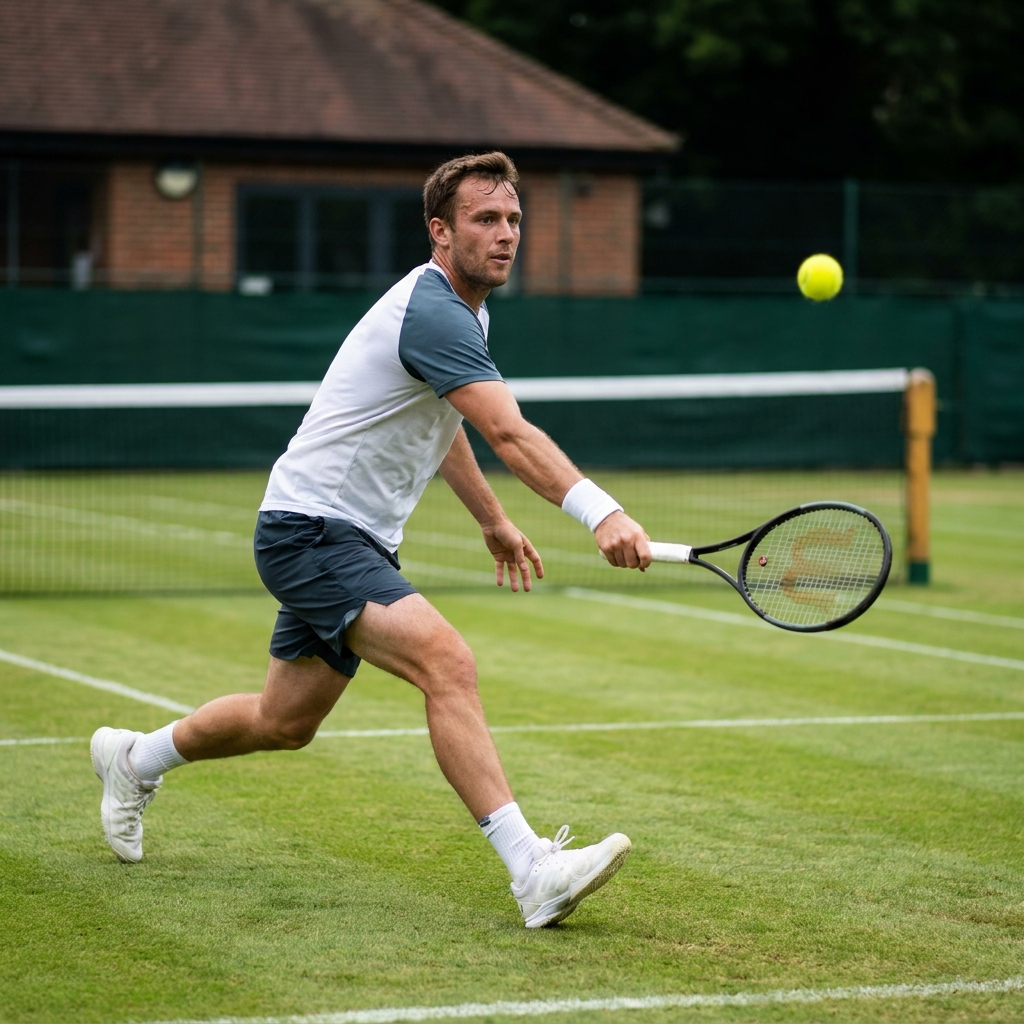
Most club players practise the serve on its own and then have no idea what to do with the ball that comes back. Serve plus one is the pattern that turns a good serve into a won point.
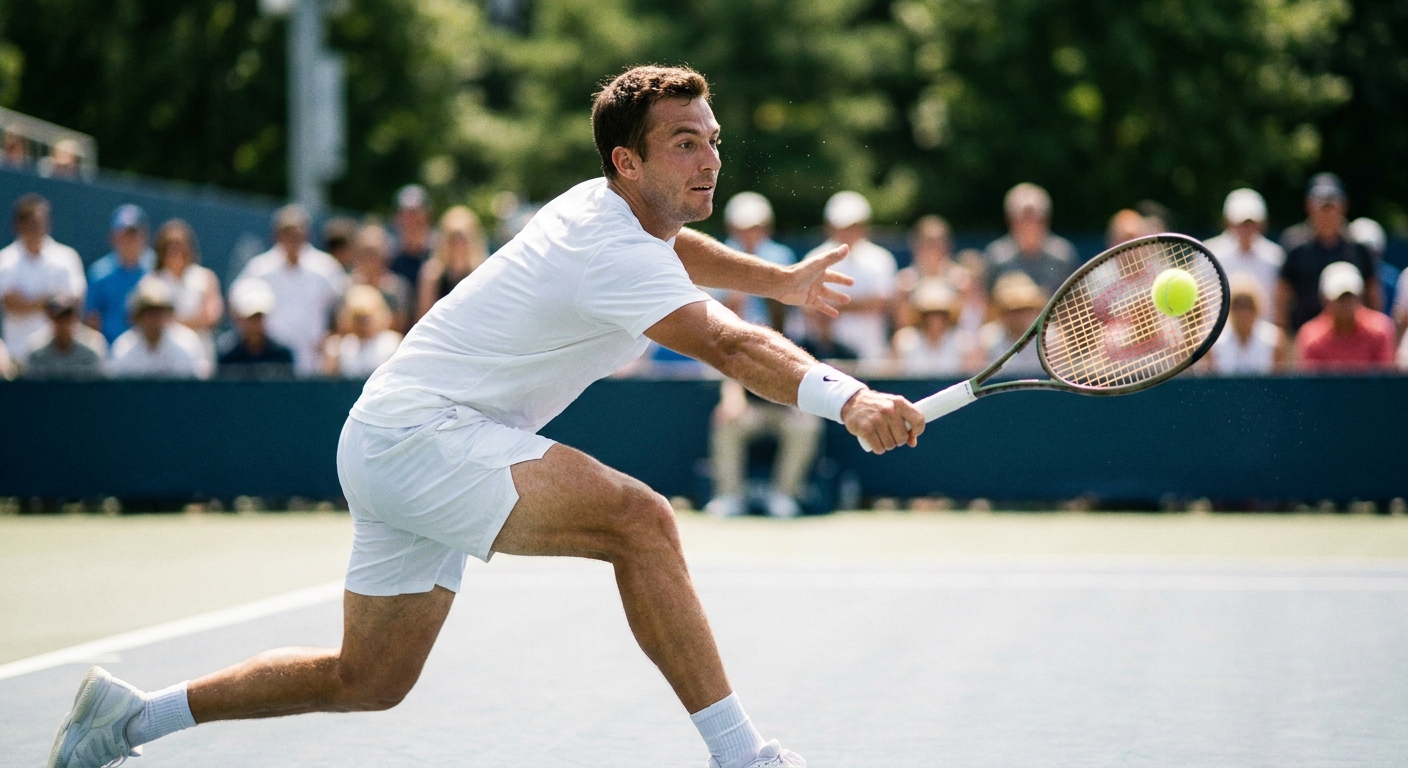
Wimbledon has just crowned another champion, and if you watched closely you saw the same thing every year: the best returners quietly won the tournament. Here is how to coach a return that pressures the server rather than just surviving it.


Register for FREE and get coaching tips, top drills, session and more every week!