Every stroke in tennis requires complex action of observing the ball, covering specific distance and executing quality technical motion. Knowing that, it is important to work on these aspects during the training sessions to prepare players for the requirements of tennis rivalry.
What's in the Session?
The player works on backhand quality after covering varied distances. By changing the distance within the same set, players learn how to adapt to the changing environment and it puts more emphasis on ability to assess the distance, achieve stable position and still control the racket. The drills are focused on quick footwork and movement to get into a good position to hit the ball.
This is then progressed into rallying before finally looking at ending the rally with a winner!
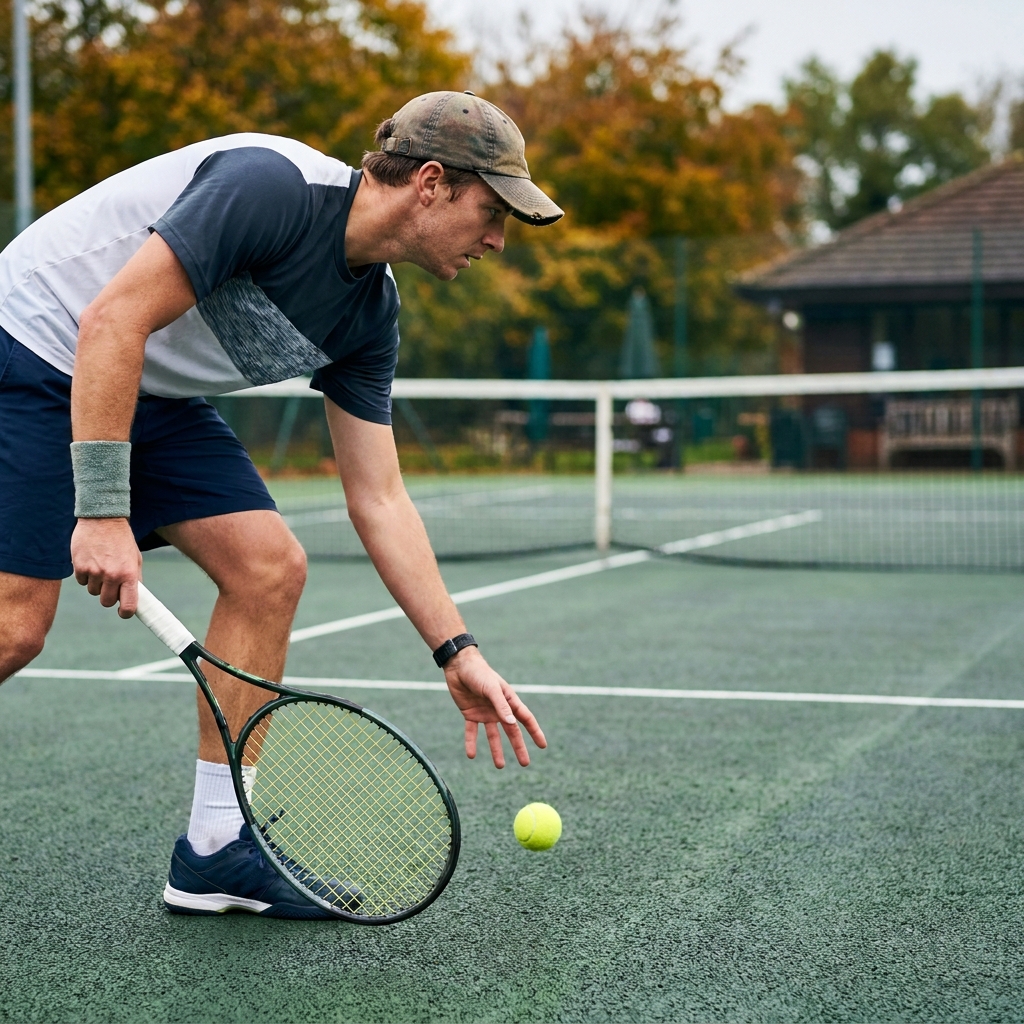
A tiebreak is a short sprint where every point is worth the same as a break of serve. The players who win them are rarely the ones who hit hardest. Here is how to coach the patterns, habits and scoreboard thinking that win the big points.
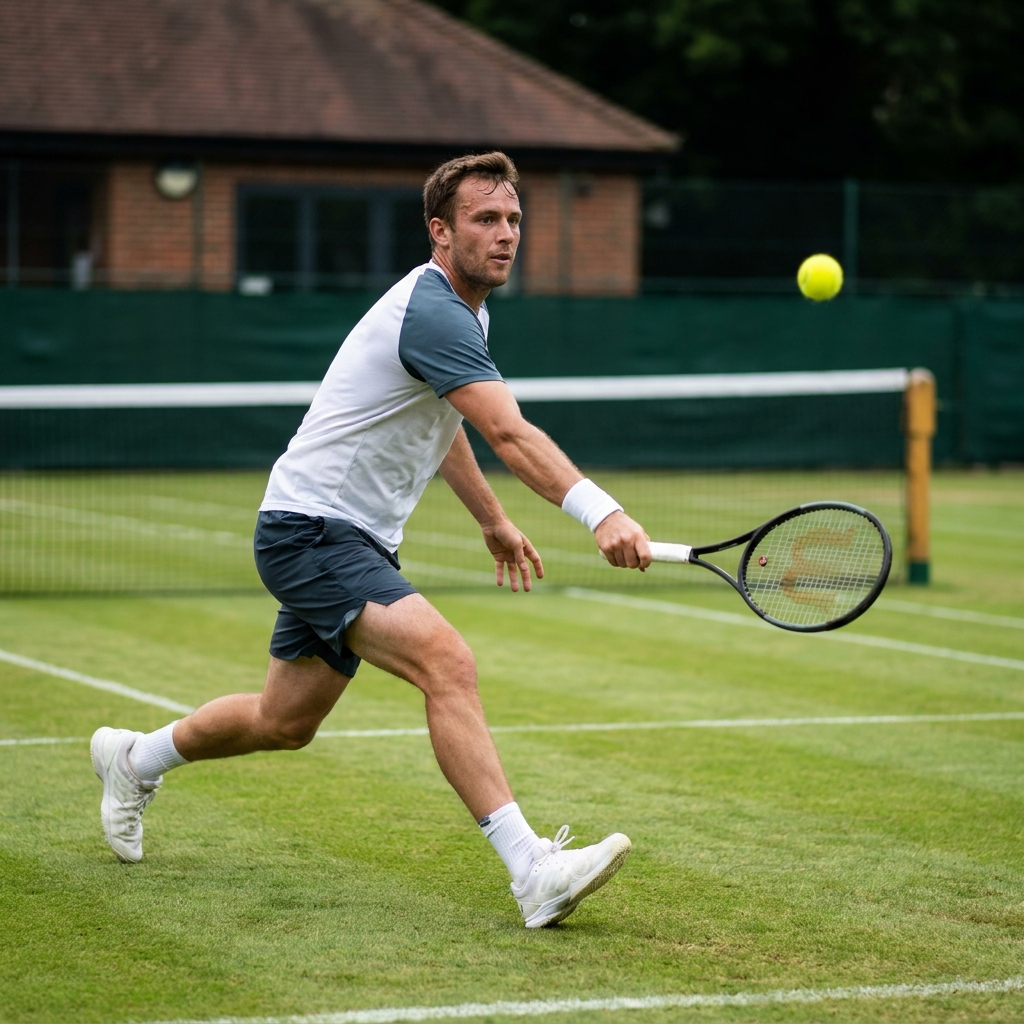
Most club players practise the serve on its own and then have no idea what to do with the ball that comes back. Serve plus one is the pattern that turns a good serve into a won point.
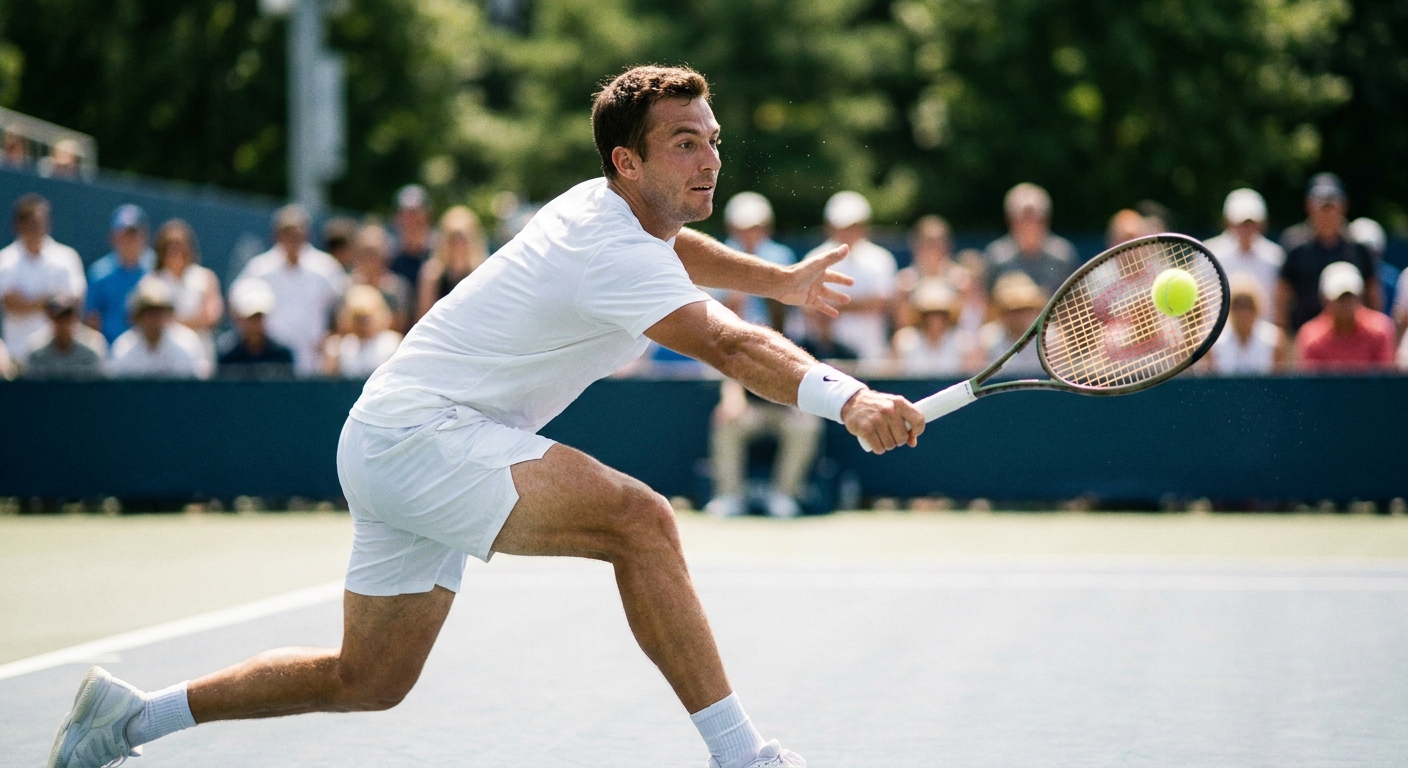
Wimbledon has just crowned another champion, and if you watched closely you saw the same thing every year: the best returners quietly won the tournament. Here is how to coach a return that pressures the server rather than just surviving it.


Register for FREE and get coaching tips, top drills, session and more every week!