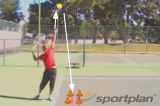
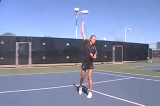
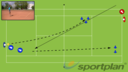
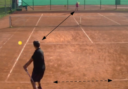
The coach stands on the baseline in the deuce corner with racquet stretched to the right side. The player serves wide using slice serve. The goal is to hit the ball inside the service box and avoid the coach's racquet.
Most of the time placement of the serve is more important than power. Knowing how our ball can create advantage from the first shot is a big strength that players can use at any level. Being able to differ first and second serves keep our opponent's guessing so we can expect more mistakes and increased number of easy returns.
In this drill, the player works on service placement. Having feedback like coach's position and racquet is an easy tool that keeps players motivated and more focused on the target. Serving many balls in a row can be a boring actions so coaches have to make sure that players have visible goals to achieve. To make it competitive, the coach can give points for successful serves or play to a given number of good serves.
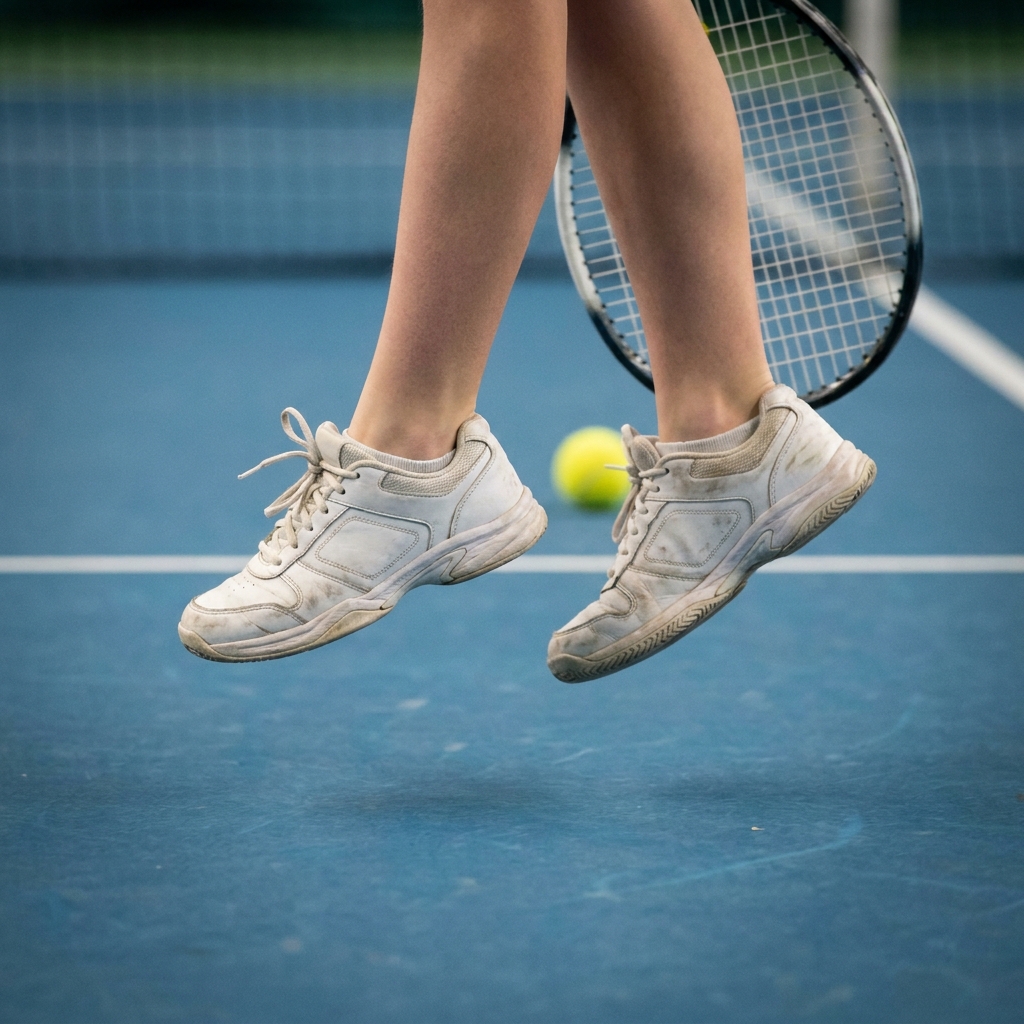
Indoor courts give players less time and less room. Help them sharpen their split step, shorten their swing and stay calm, and winter becomes a season of real progress.
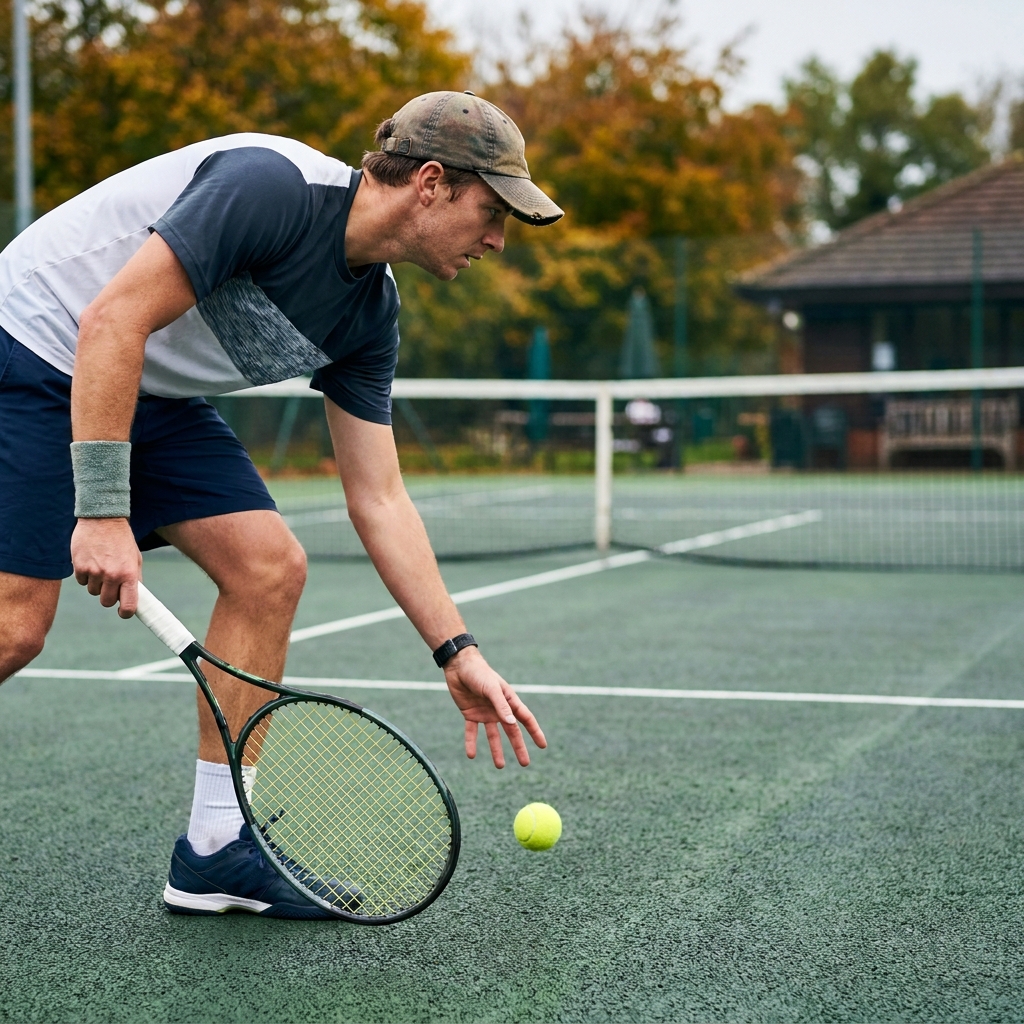
A tiebreak is a short sprint where every point is worth the same as a break of serve. The players who win them are rarely the ones who hit hardest. Here is how to coach the patterns, habits and scoreboard thinking that win the big points.
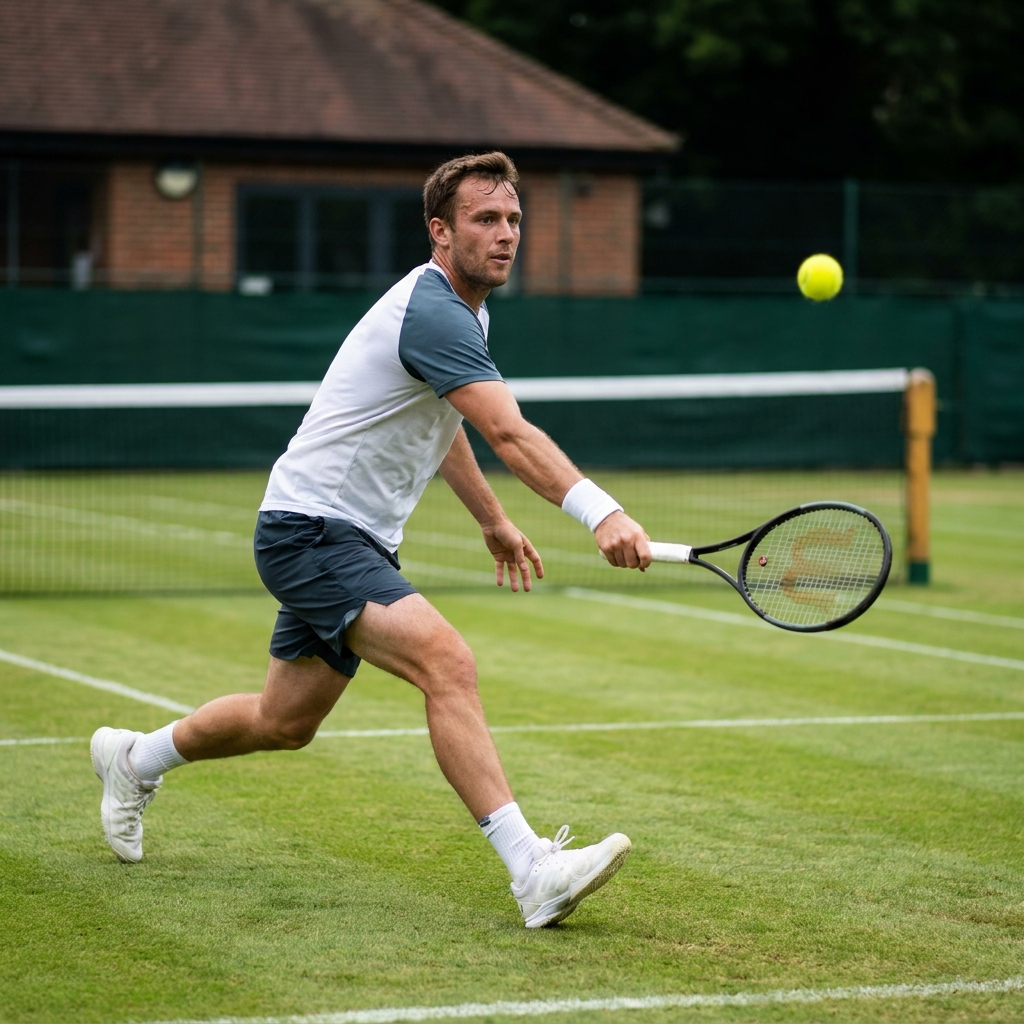
Most club players practise the serve on its own and then have no idea what to do with the ball that comes back. Serve plus one is the pattern that turns a good serve into a won point.


Register for FREE and get coaching tips, top drills, session and more every week!