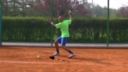
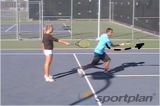
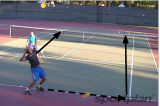
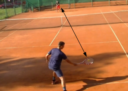
The coach stands in front of the player and feeds the ball to the forehand side. The player moves to the ball, slides and hits forehand.
Sliding to the ball is crucial while playing during clay-court season. This movement is the most effective because it allows to get to difficult balls, hit them and quickly recover after the shot. Sliding as a movement requires good technical components but the player has to be ready to execute these actions also from the physical perspective. Without strength, balance and coordination, it is impossible to run and slide before the shot.
In this drill, the player works on sliding to the side while hitting forehand. The player has to remember to start the action with cross-over step to not make additional steps before sliding. Second thing that is crucial is putting weight on right leg to allow sliding and maintain balance through the shot. Many repetitions are needed to ingrain this new habit and make it automatic for the future matches.
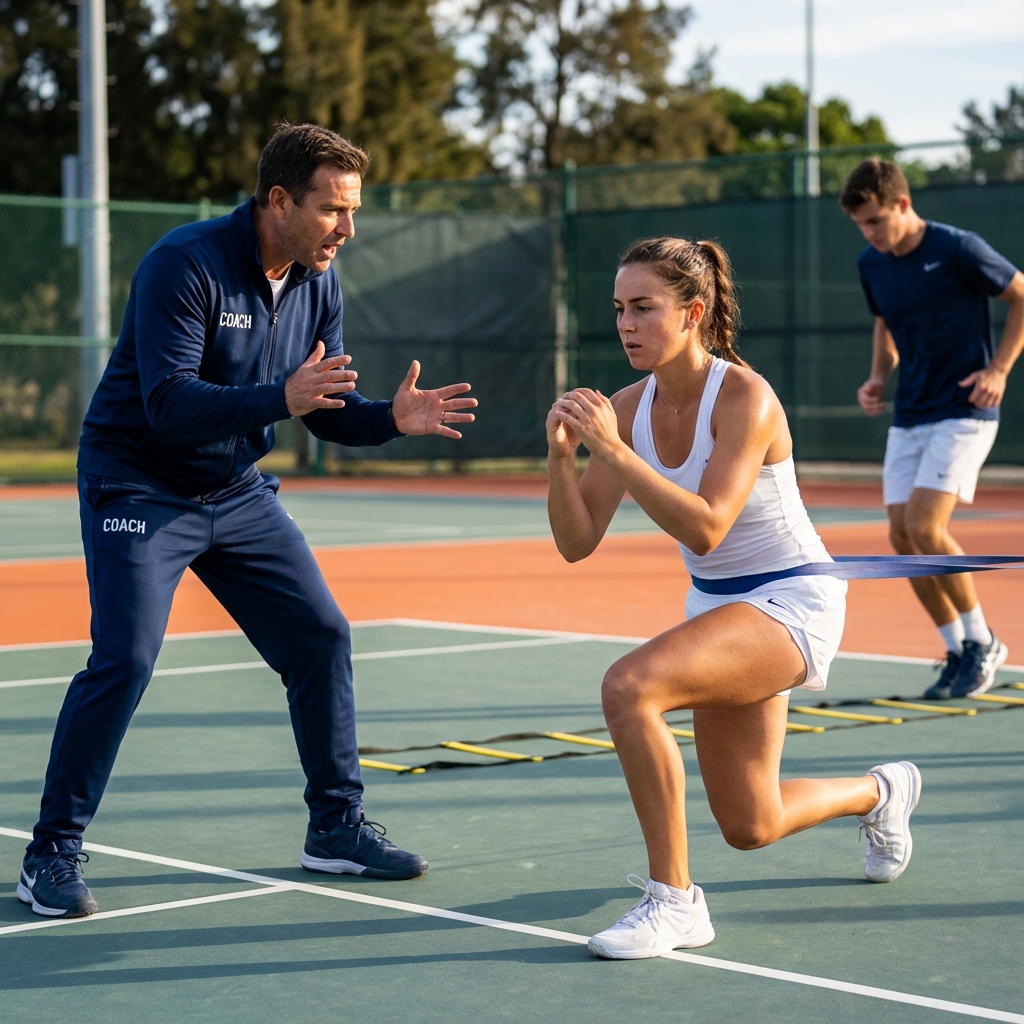
Tennis demands a unique combination of endurance, power, agility, and flexibility. Physical preparation determines how long careers last and how players perform when it matters most.
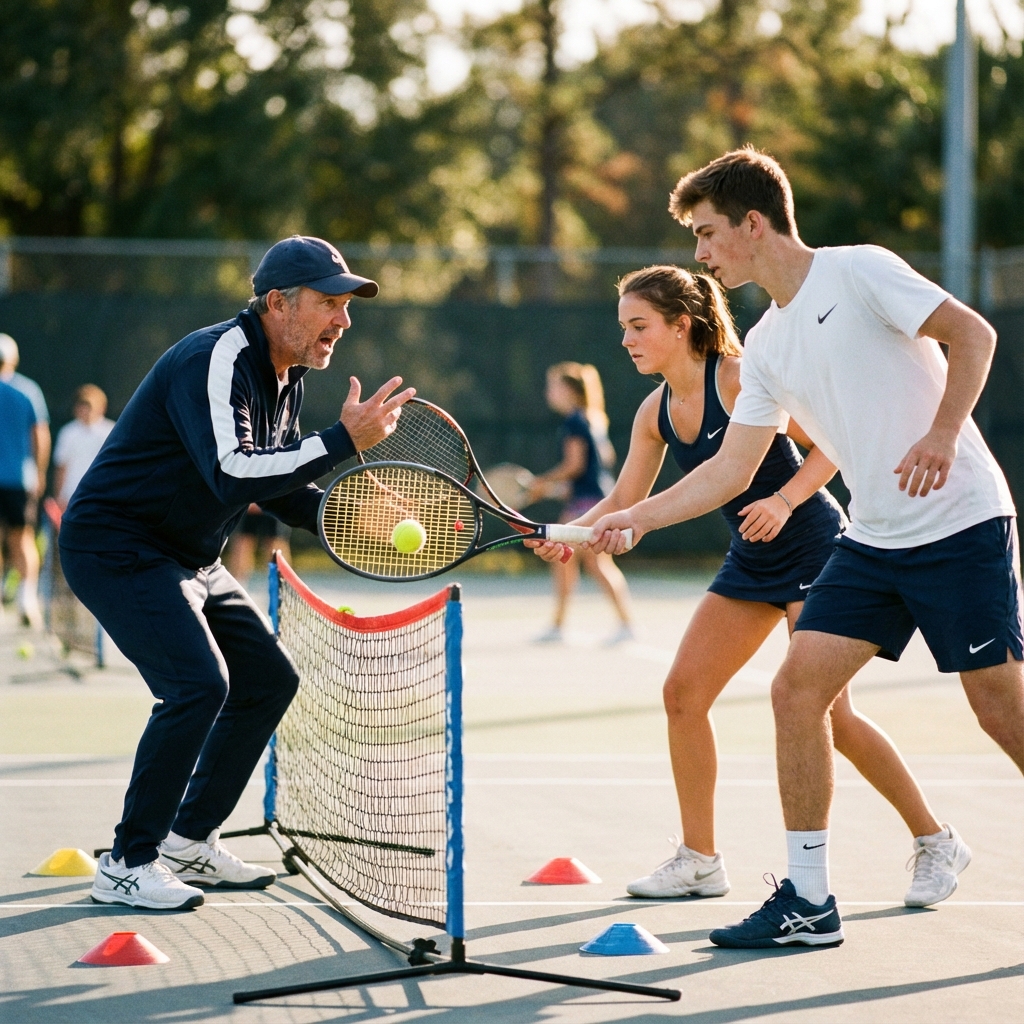
Ecological dynamics is transforming tennis coaching. This constraints-led approach develops adaptable, creative players who can solve problems in competition, not just execute drilled patterns.
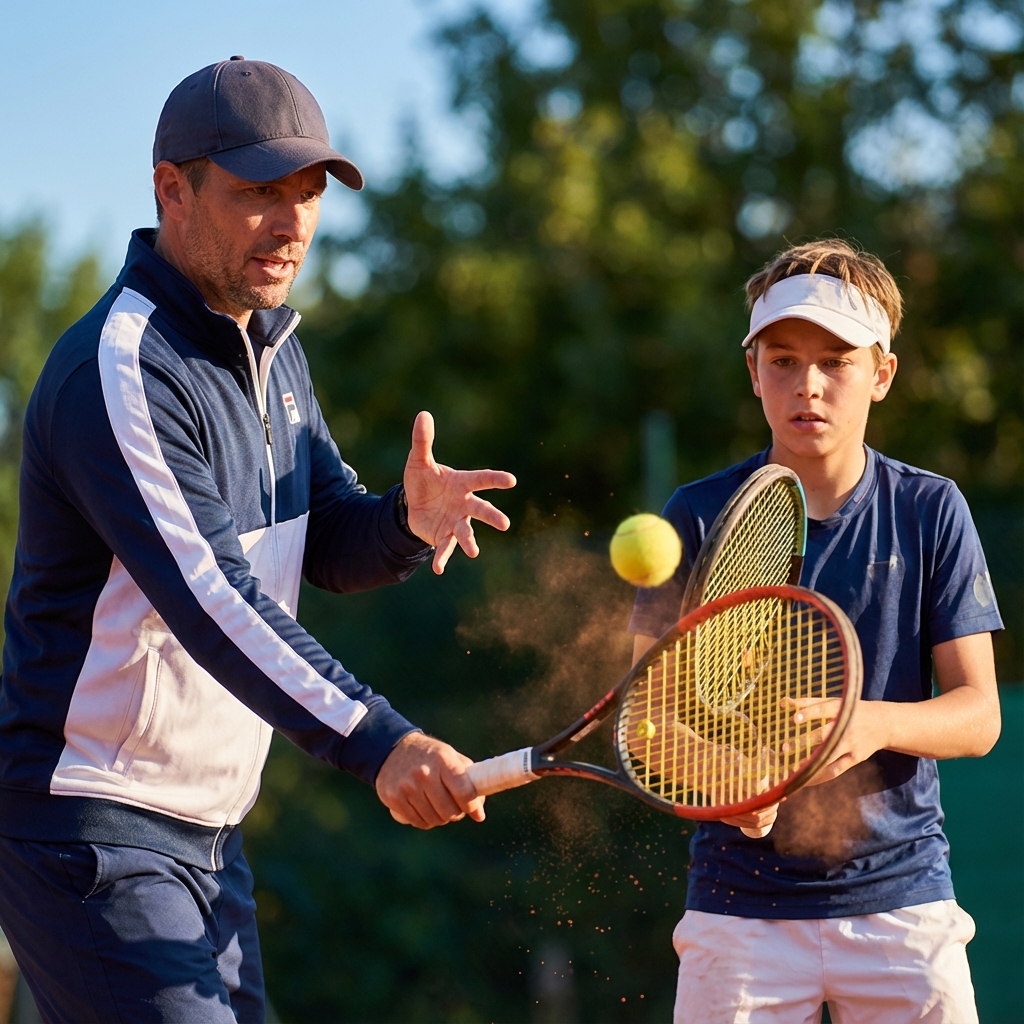
The one-handed backhand is becoming rare, but when executed well, it remains one of tennis's most elegant and effective shots. Is it a dying art or a tactical advantage?


Register for FREE and get coaching tips, top drills, session and more every week!