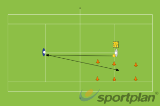
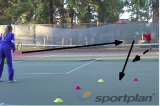
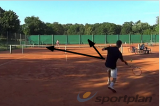
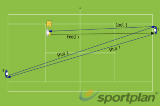
Player stands on the baseline. Coach feeds shorter balls with different heights. Player picks the right offensive method according to the ball’s height. Higher balls are hit with powerful strokes; lower balls are hit with more topspin and control.
Drill specifications:
4 repetitions per set
With more players on the court students make 2 lines and work on forehand and backhand separately. It allows the coach to put more players in play and work on proper tactical decisions. Waiting players should perform reaction drills to accelerate learning process and improve offensive skills in the hitting drill.
Controlled shots can also be offensive if they are used in the proper situation on the court. The best players in the world are smart and they know that tennis demands different decisions so they analyze and use the most effective method in a particular position on the court. Working on perception of the incoming ball and adjusting own decisions are 2 factors that players have to possess to be able to balance power and control while being in offensive situations.
In this drill players work on offensive methods according to the ball’s height. Coach has to teach players to quickly analyze the incoming ball and make a proper decision according to the possible point of contact. If the ball is going to bounce low players have to understand that hitting really hard can be too risky so more spin and accurate placement are much more challenging for the opponent to respond. If the ball is going to bounce high quick movement and contact as high as possible should be priorities to use this opportunity to win the point with a powerful groundstroke.
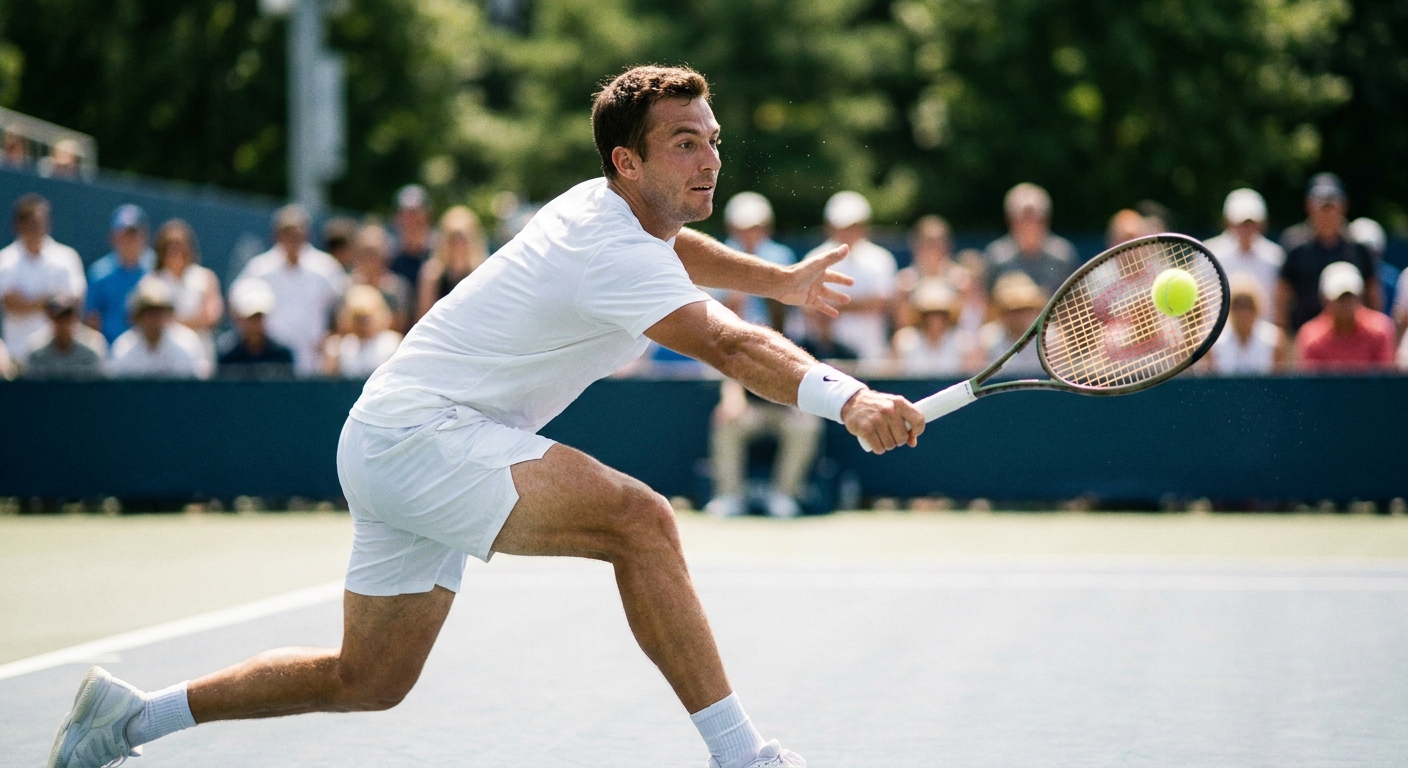
Wimbledon has just crowned another champion, and if you watched closely you saw the same thing every year: the best returners quietly won the tournament. Here is how to coach a return that pressures the server rather than just surviving it.
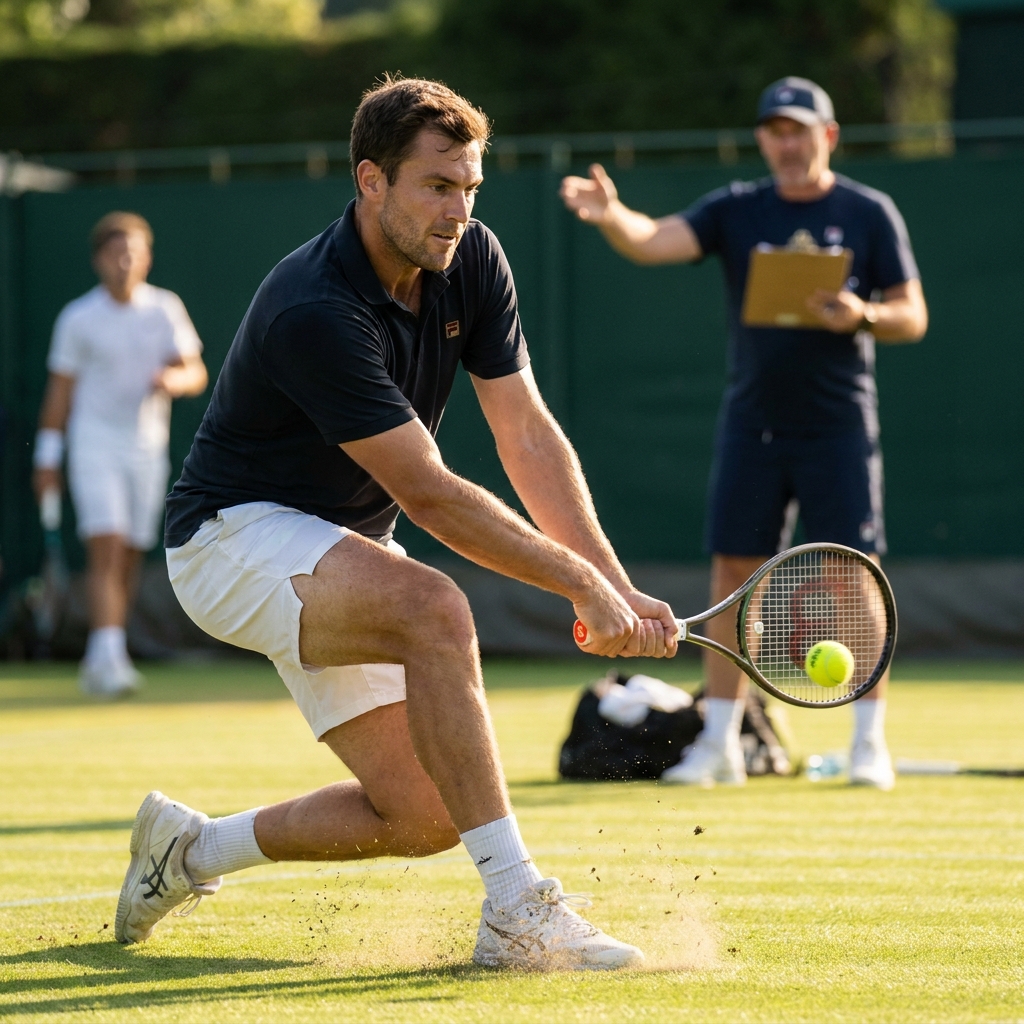
Wimbledon arrives at the end of June and the grass court swing transforms how the game is played. Low bounces, slippery footing, and rewards for forward play demand a different tactical mindset. Here is how to coach it.
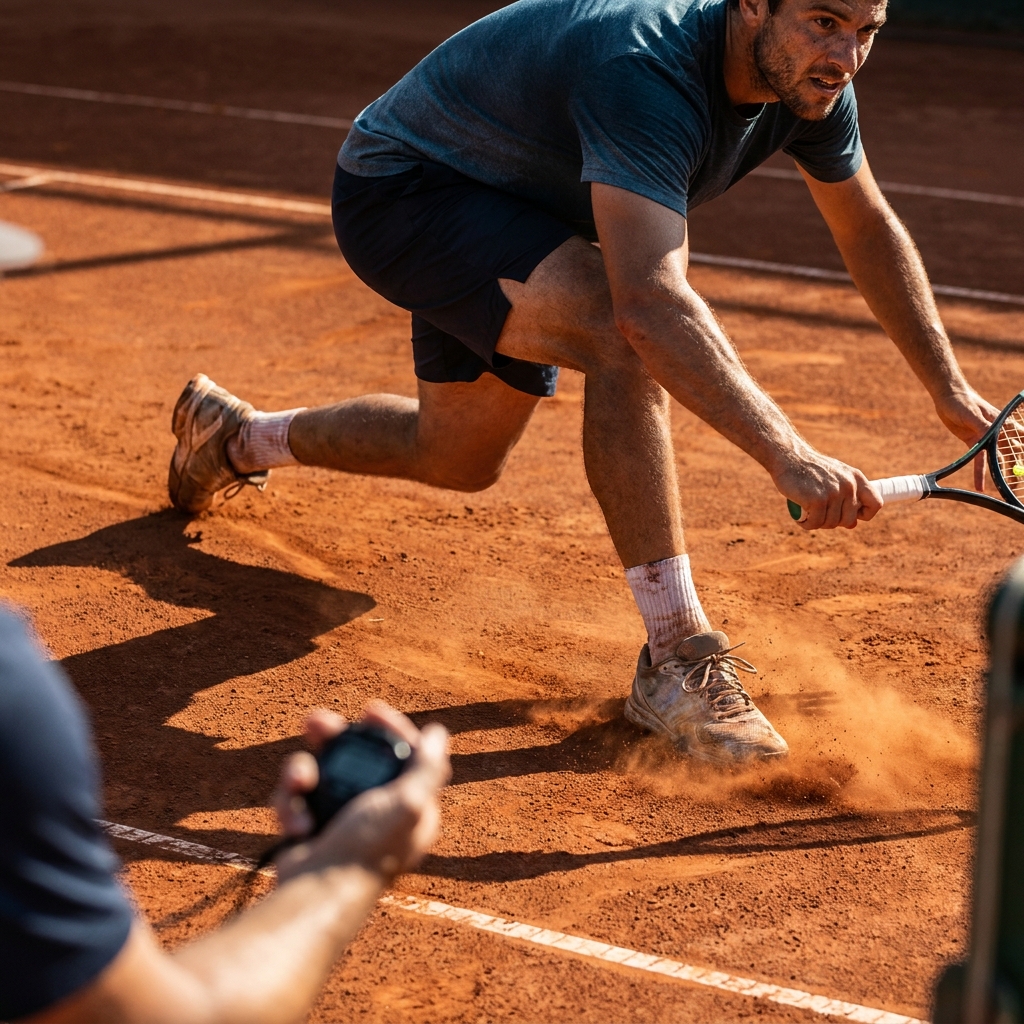
With Roland Garros centre stage in May, clay court tennis demands a different toolkit: controlled sliding, longer rallies, and patient point construction. Here is how to coach the surface that humbles power players and rewards craft.


Register for FREE and get coaching tips, top drills, session and more every week!