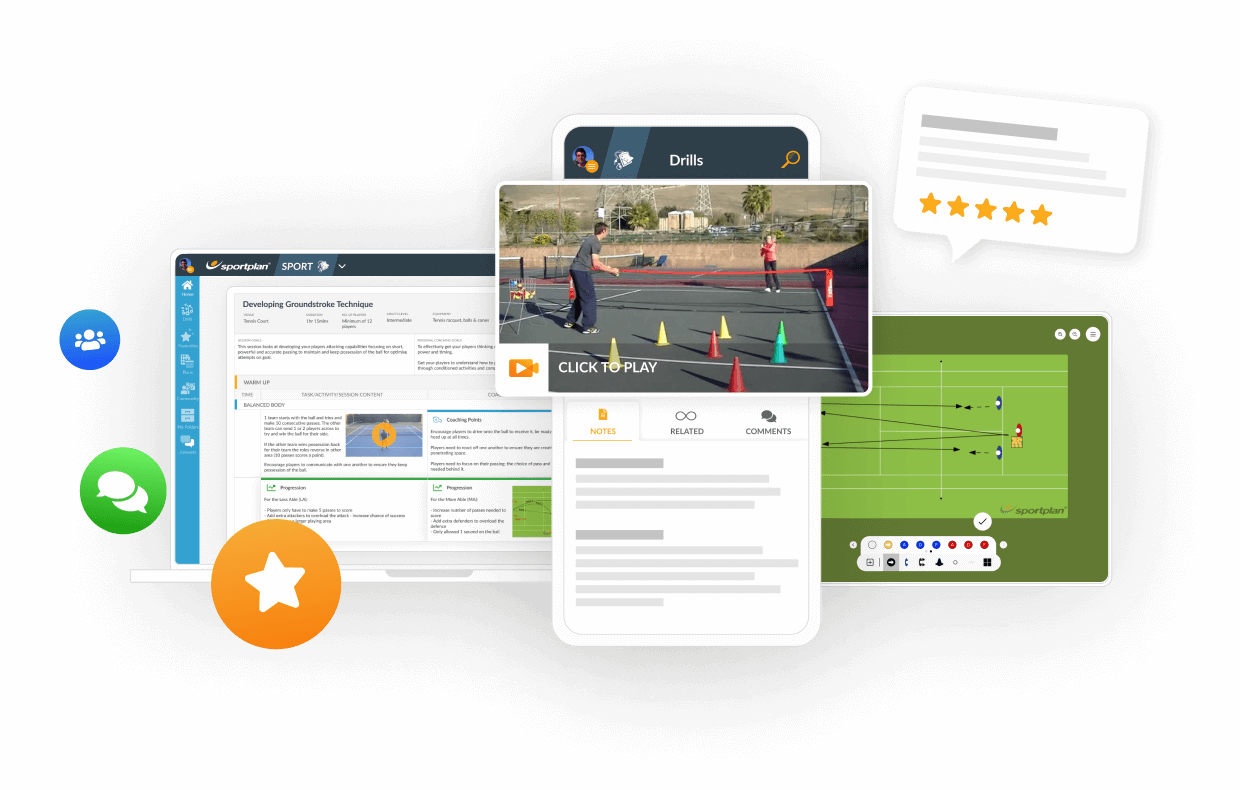
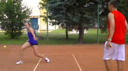
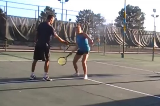
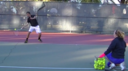
Player stands on balance platforms. Coach feeds balls to the forehand side. Player executes forehand stroke while maintaining balance.
A lot of players struggle with learning an open stance because of the balance factor of the stroke. This new position requires different feet position as also places more importance on upper body turn, in comparison to a popular close stance; therefore, players have to adjust their own body to meet these requirements. Implementing physical obstacles during technical work is a great way to instigate development as they also make players aware of the areas that they should put more focus on during training.
In this drill, Player works on their balance and hitting a forehand in an open stance. Again player doesn't use their legs to generate the power for the forehand. This exercise is similar to the previous one but this time, Player has to also maintain balance while using mostly upper body to perform the stroke. Coach has to remind Player to keep their upper body straight and to not lower the head because it will immediately have a negative impact on the stroke. If this exercise is too difficult and Player is not able to combine hitting with balancing, Coach should make player „shadow” the stroke without a ball to feel more comfortable before moving on to a more difficult scenario.
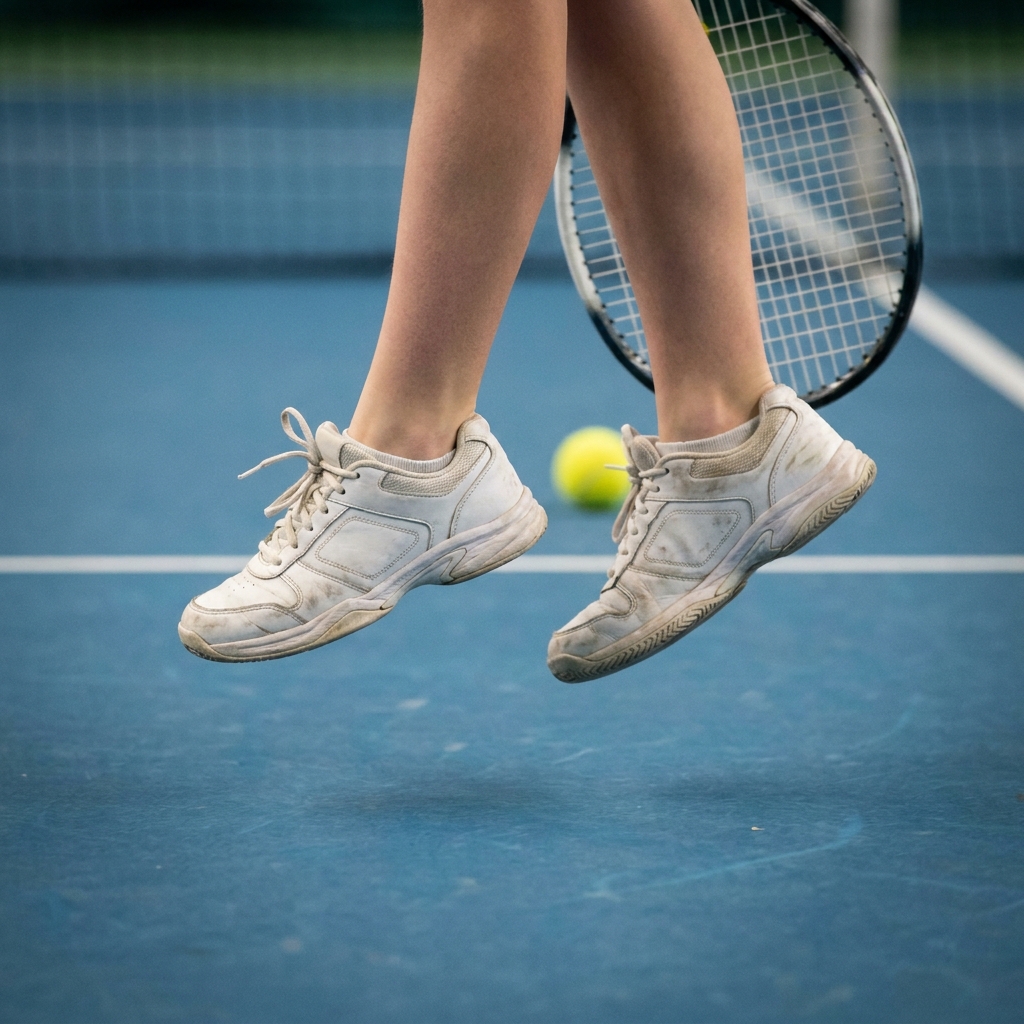
Indoor courts give players less time and less room. Help them sharpen their split step, shorten their swing and stay calm, and winter becomes a season of real progress.
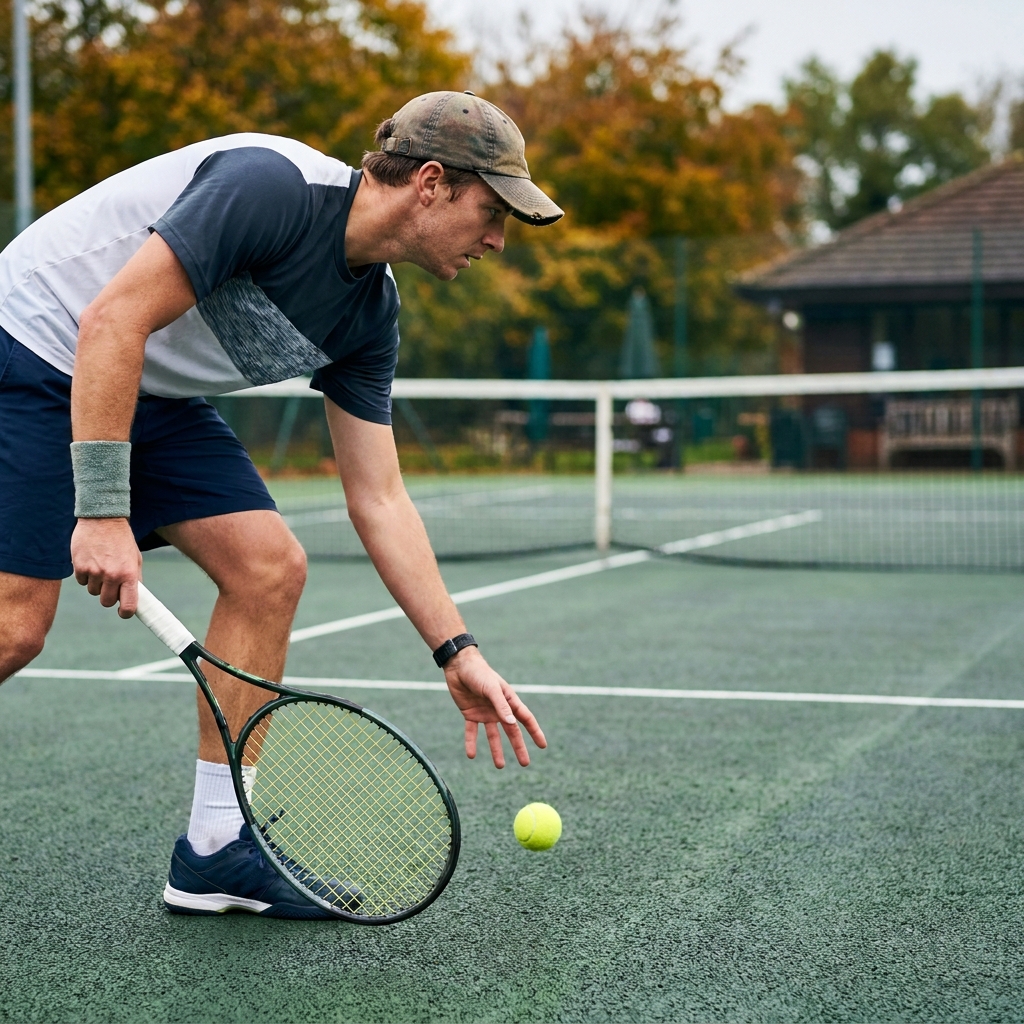
A tiebreak is a short sprint where every point is worth the same as a break of serve. The players who win them are rarely the ones who hit hardest. Here is how to coach the patterns, habits and scoreboard thinking that win the big points.
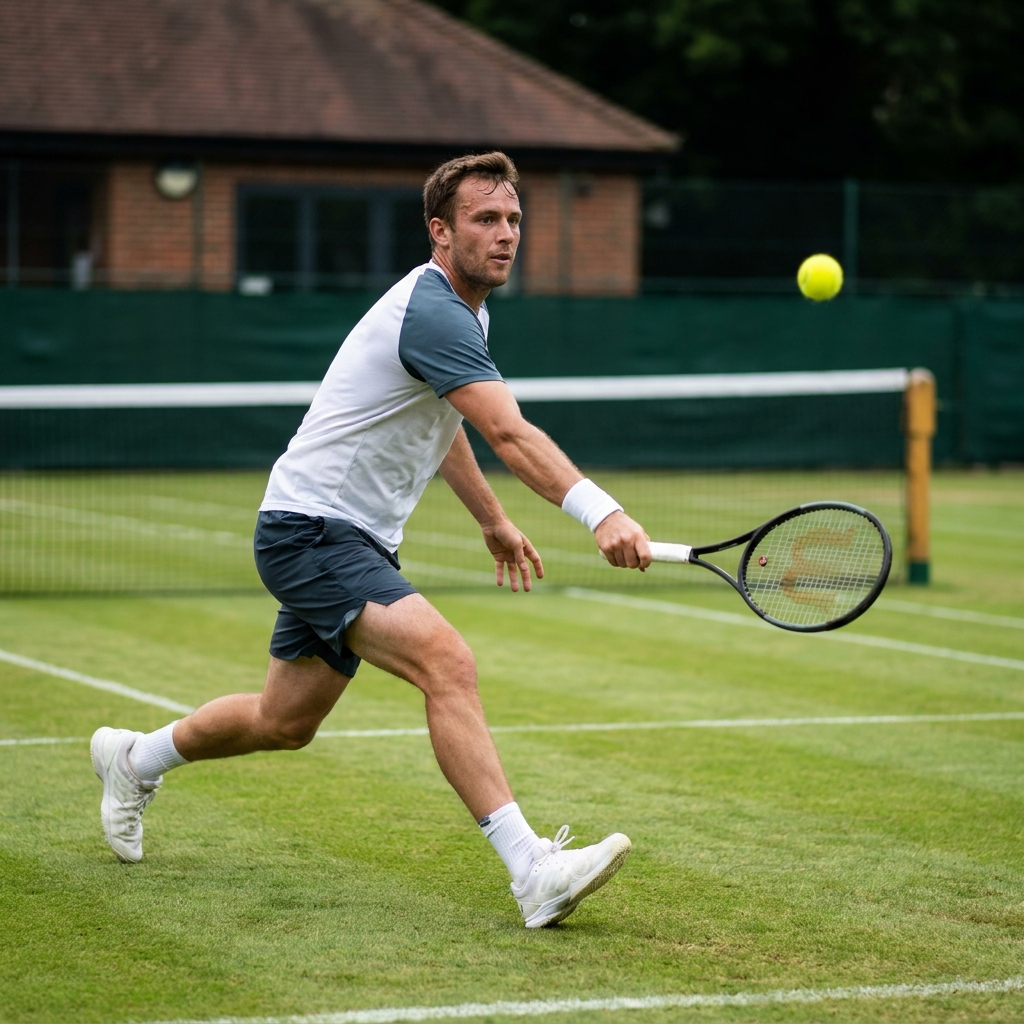
Most club players practise the serve on its own and then have no idea what to do with the ball that comes back. Serve plus one is the pattern that turns a good serve into a won point.


Register for FREE and get coaching tips, top drills, session and more every week!