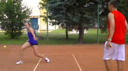
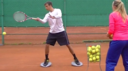
Player stands on the baseline. Coach feeds balls to the forehand side. Player hits forehands using an open stance only.
Working on technical aspects requires gradual development. Too many times players are impatient and want to quickly move-on to more difficult exercises before achieving the necessary skills. Hurrying up can lead to waste of previous work so it is Coach's job to make players aware of how the process works and when they are ready to move on to the next step. After working on individual parts of the new stroke and achieving good results, Coach should move on to putting all the pieces together and let players experience the final result of improvement.
In this final drill, Player works on a complete forehand with an open stance. During this exercise, Coach can pay attention to how player uses lower and upper body to develop successful forehand using an open stance. Emphasis is put on the technical aspects so Player should pay attention to the body and the racquet – not necessarily to where the ball is going. After successful attempts with good technical quality, Coach can set targets and see how Player can connect their technical and tactical improvements.
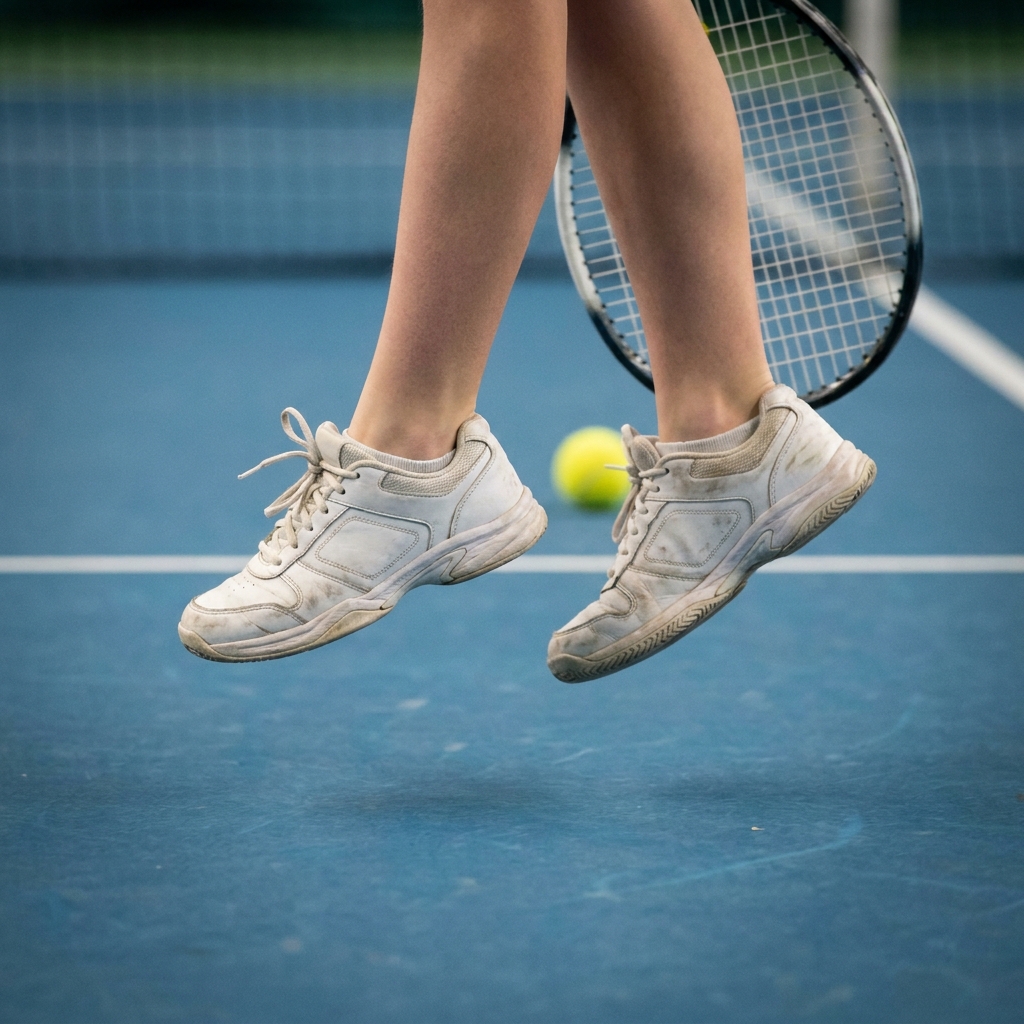
Indoor courts give players less time and less room. Help them sharpen their split step, shorten their swing and stay calm, and winter becomes a season of real progress.
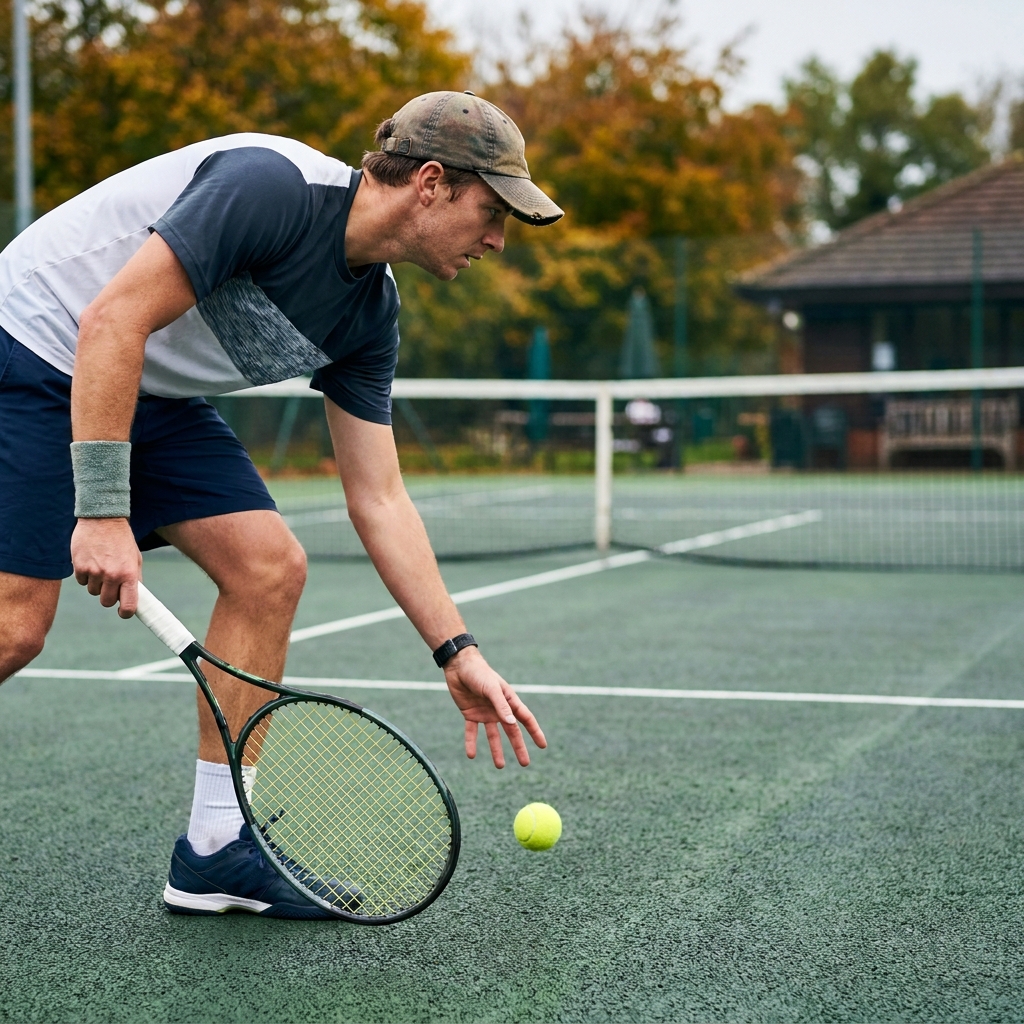
A tiebreak is a short sprint where every point is worth the same as a break of serve. The players who win them are rarely the ones who hit hardest. Here is how to coach the patterns, habits and scoreboard thinking that win the big points.
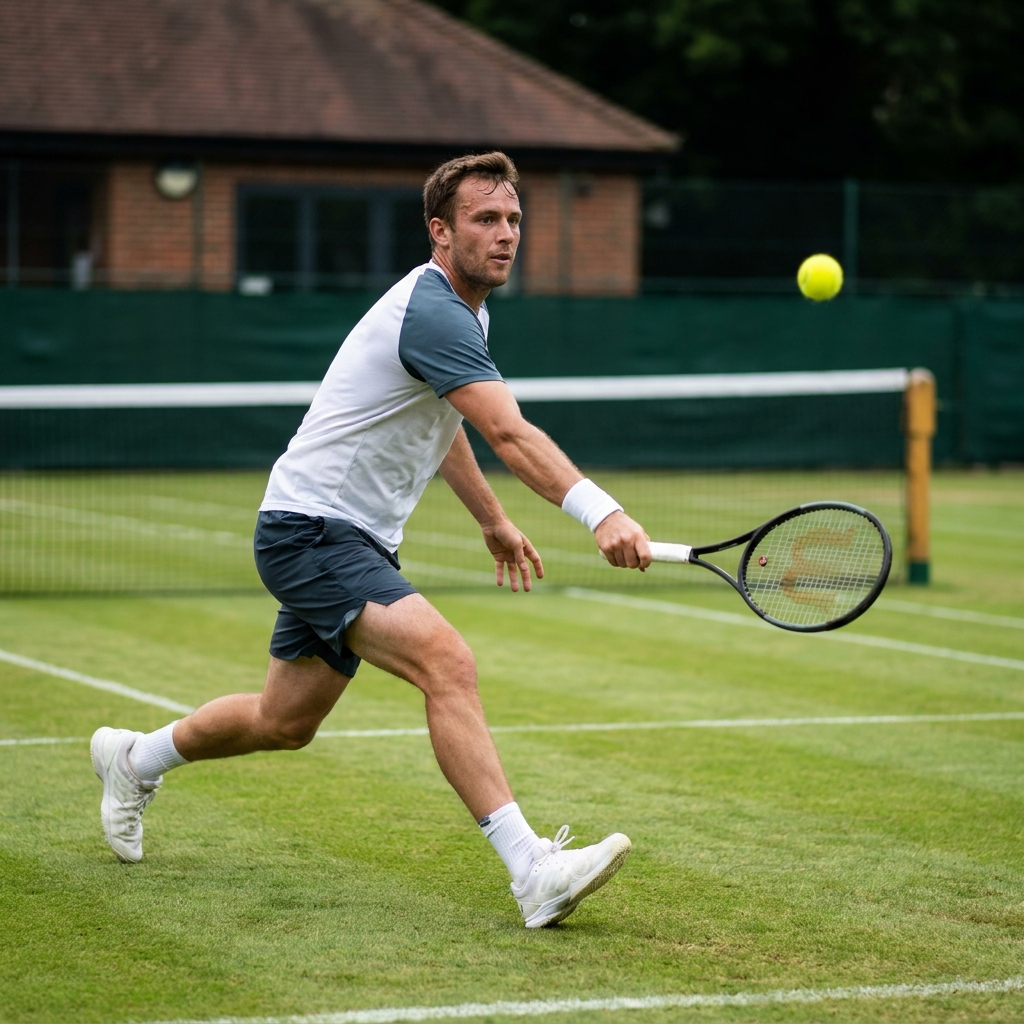
Most club players practise the serve on its own and then have no idea what to do with the ball that comes back. Serve plus one is the pattern that turns a good serve into a won point.


Register for FREE and get coaching tips, top drills, session and more every week!