Founding a Club Is Mostly Admin - Done in the Right Order
Plenty of people can run a good basketball session. Far fewer get a club off the ground, because founding a club is less about coaching and more about admin done in a sensible order. Get the sequence wrong - recruit thirty keen players before you have a guaranteed court, say - and the whole thing stalls on its first weekend. Get it right, and within a season you have a proper club with teams, a treasurer and a place in a local league.
This is a practical, do-it-in-this-order checklist for starting a basketball club in England. It covers the legal and organisational basics, the things Basketball England expects of an affiliated club, and - given you will almost certainly be working with juniors - how to get safeguarding right rather than as an afterthought. Work through it top to bottom; the early steps unlock the later ones.
Step One: Secure Regular Court Hire First
This is the make-or-break step, so it comes first. A basketball club is only as real as its access to a court, and indoor sports-hall time is the single scarcest, most contested resource in grassroots sport. Schools, leisure centres and community halls book their prime evening and weekend slots months ahead, and a club without a guaranteed, regular slot has nowhere to train and nowhere to play home fixtures.
Before you advertise for a single player, lock down a regular hire: the same hall, the same night, every week, for the season. Talk to local schools and academies (many will hire a sports hall to a community club in the evenings), leisure centres and council facilities. Check the floor is marked for basketball with proper hoops at the right height, confirm the cost per hour, and get the booking in writing. Court hire will also be your largest ongoing cost, so the figure you agree here effectively sets your subs. Do this step properly and the rest of the checklist becomes possible; skip it and nothing else matters.
Step Two: Form a Committee and Agree a Constitution
A club is not one person - it is a small group with defined roles and a written agreement on how decisions are made. Pull together a founding committee with, at minimum, a Chair, a Secretary and a Treasurer. Then adopt a simple written constitution: the club's name and aims, how members join, how the committee is elected, how money is handled, and how the club can be wound up. This is not box-ticking. A constitution is what lets you open a bank account in the club's name, apply for grants, and operate as a recognised not-for-profit community club rather than a loose group of individuals.
Keep it proportionate. A new junior club does not need a forty-page rulebook; a clear two-page constitution that everyone has agreed is far more useful than a borrowed template nobody reads.
Step Three: Open a Club Bank Account
Never run a club's money through a personal account - it is unfair on the individual, impossible to audit, and a red flag for safeguarding and governance. Once you have a constitution and a committee, open a dedicated club bank account, ideally a community or treasurer account with at least two signatories from the committee. All subs, session fees, grants and expenses flow through it. Clean, separate finances protect your volunteers, make the year-end accounts simple, and are usually a condition of grant funding and league entry.
Step Four: Affiliate with Basketball England and Register Players
To play organised, sanctioned basketball your club needs to affiliate with Basketball England, the sport's national governing body. Affiliation is done through Basketball England, typically by registering the club and then registering your players and coaches via their membership system, and paying the relevant club and individual fees for the season. Affiliation is what lets your teams enter sanctioned leagues, and it plugs you into the governing body's insurance guidance, coaching pathways and - importantly - its safeguarding framework.
Treat affiliation and individual registration as two linked jobs: the club affiliates, and each player and coach is registered. Fees and the exact process are reviewed each season, so check the current details on the Basketball England website rather than relying on what a neighbouring club did two years ago.
Step Five: Arrange Public Liability Insurance
You are inviting people onto a court to do a physical activity, so you need public liability insurance in place before anyone trains. Affiliated clubs often gain access to cover or guidance through Basketball England, but you must confirm exactly what is and is not included and top up if there are gaps. Many facilities will not let you hire the hall without proof of insurance, so this frequently has to be sorted alongside your court booking. Do not run a single session uninsured.
Step Six: Get Safeguarding Right - Properly
If your club involves anyone under 18 - and most grassroots basketball clubs do - safeguarding is not an optional extra you bolt on later. It is a core responsibility, and getting it right protects children, your volunteers and the club itself. Do not treat it as paperwork. Work through this mini-checklist deliberately and keep the evidence.
The Safeguarding Mini-Checklist
- Appoint a Welfare Officer: Every junior club needs a designated Safeguarding (Welfare) Officer - a specific named person, separate from the head coach, who is the point of contact for any concern and who has completed the relevant safeguarding training.
- DBS checks for everyone in regulated activity: Coaches, assistant coaches, team managers and the Welfare Officer all need an enhanced DBS check with a children's barred-list check. Anyone in a position of trust with under-18s must be checked before they start.
- Adopt a safeguarding policy: Put a written child-protection and safeguarding policy in place, based on Basketball England's framework, setting out how concerns are reported and to whom, and review it regularly.
- Codes of conduct: Agree clear codes of conduct for coaches, players and parents, and have people sign up to them when they join. They set expectations and give you something to point to if behaviour falls short.
- Safe communication: Decide how adults are allowed to contact young members - never one-to-one private messaging with a child. Use channels where a parent or the Welfare Officer has visibility, and capture parental consent for communication and photography.
- Emergency contacts and consent: Collect an emergency contact and any medical information for every junior, hold it securely, and make sure the coach on the night can reach it.
None of this is bureaucracy for its own sake - it is the difference between a club that is genuinely safe for children and one that merely hopes it is. Basketball England sets the current safeguarding requirements, so follow their guidance for the exact standards and renewal periods.
Step Seven: Sort the Membership, Registration and Communication Engine
By now you have a court, a committee, a bank account, affiliation, insurance and a safeguarding framework. The next practical job is the engine that runs the club week to week: collecting member details and consent, taking subs and session fees, and communicating with players and parents safely. Doing this on paper forms and a personal WhatsApp group works for a fortnight and then quietly falls apart - especially the consent records and emergency contacts you are now obliged to hold properly.
A whole-club membership app handles registration, consent and communication in one place. Teamo - made by Sportplan, the company behind this site, so take that into account - is one option built for the whole club from day one: online member registration that captures emergency-contact details and consent properly under GDPR, child-safe communication where a guardian has visibility rather than private one-to-one messaging with a young player, and a mobile-first design (the large majority of members use it on a phone). On safeguarding specifically, Teamo was nominated best safeguarding app by England Athletics' Head of Safeguarding - that recognition was for athletics, but the child-safe design is the same. It is free for up to 25 members with no adverts, which covers a starter club. Whatever tool you choose, it complements but never replaces your Basketball England affiliation and player registration - that remains separate and required, and it is the official record. You can see how Teamo handles registration and consent for a club if it is worth a look. Our guide to club communication goes deeper on keeping parents and players in the loop without the WhatsApp chaos.
Step Eight: Buy the Basic Kit
Basketball is mercifully cheap to equip compared with many sports. If your hired hall already has hoops at the regulation height, your shopping list is short: a set of good match and training balls in the right sizes for your age groups, a pump and spare valves, training bibs or pinnies in two colours for small-sided games, and a few cones and markers. If you are training somewhere without fixed hoops, portable or wall-mounted hoops become your big-ticket purchase - another reason to confirm the facility's setup before you commit. Start lean: you can add a scoreboard, shot clock and team kit once subs are coming in.
Step Nine: Recruit Players, Coaches and Volunteers
Now - and only now, with a court secured and the framework in place - you recruit. Advertise through local schools, community noticeboards, social media and word of mouth. Run a couple of open taster sessions so new players can try before they commit. And recruit volunteers as deliberately as players: a club lives or dies on its coaches, team managers and committee members, and a one-person club burns out fast. Remember that anyone coaching or managing juniors goes through your safeguarding process - DBS check and codes of conduct - before they take a session.
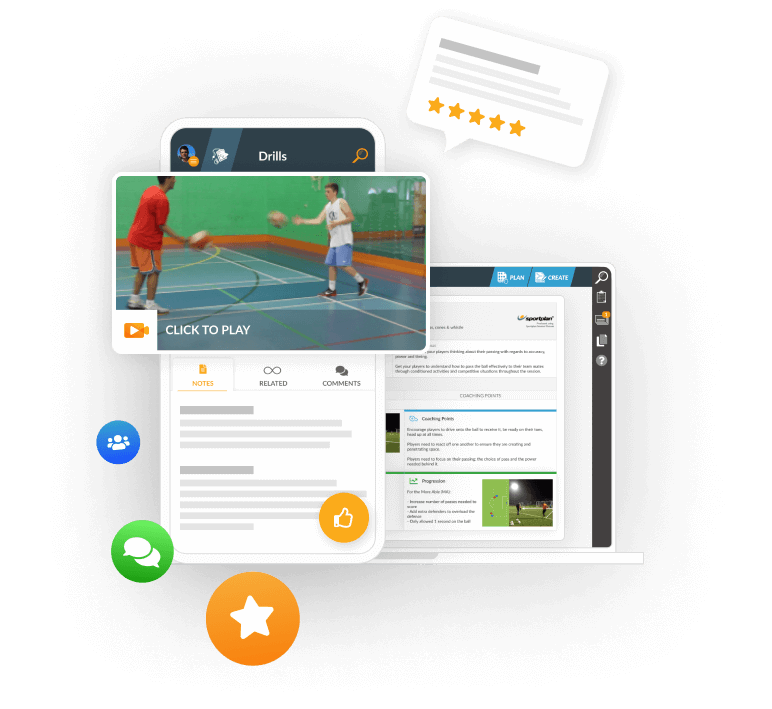
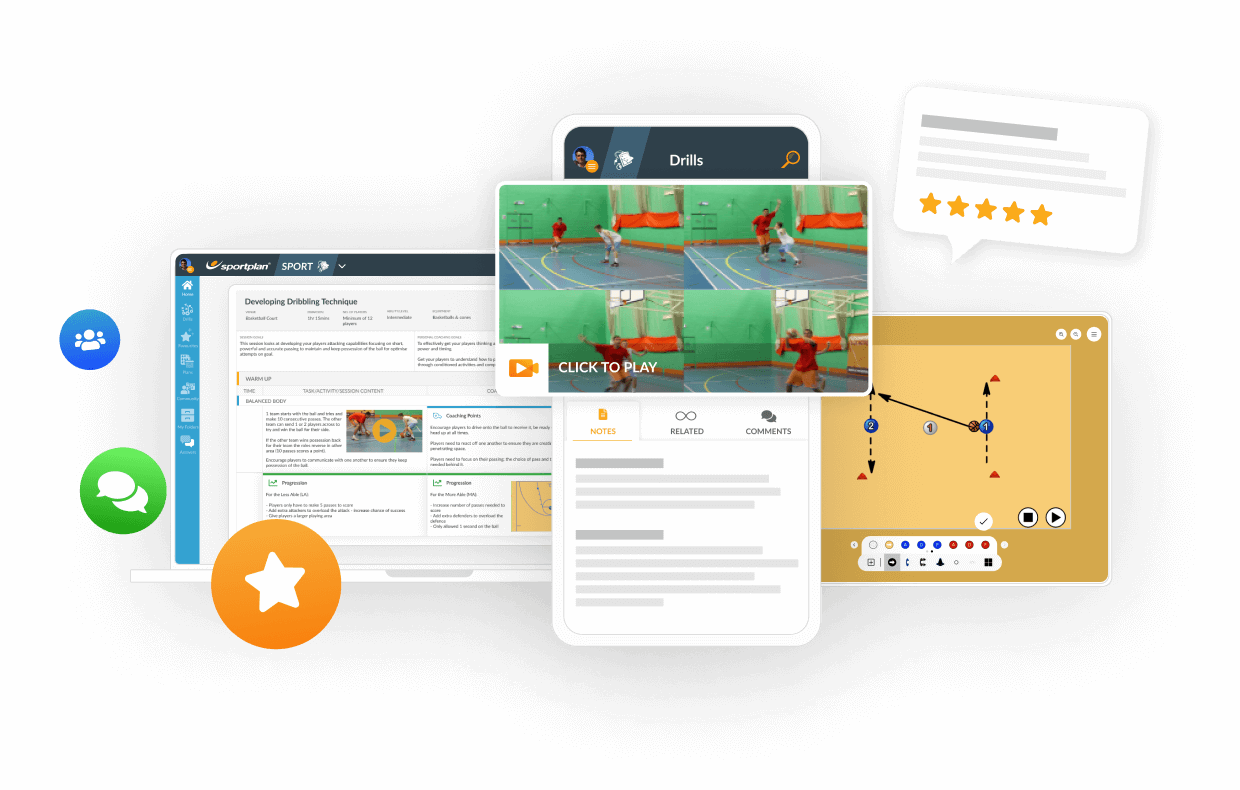
With players through the door, you will want sessions ready to run from week one. Drop a few of these into a plan and you have a complete first night.



Step Ten: Join a Local League
Once your club is up and running, the final step is competition. Joining a local league - usually run regionally and accessed through your Basketball England affiliation - gives players something to train towards and turns a training group into a proper team. Leagues have entry deadlines well ahead of the season, and most require affiliation, insurance and safeguarding to already be in place, which is exactly why those steps come earlier on this list. Enter at a level that suits your players and build from there.
Keep Going: From Founded to Flourishing
Founding the club is the hard part; running it well is the long game. Once the framework is in place, your attention shifts to the season itself - selecting fair sides, keeping volunteers, and managing the money so the court hire is always covered. Our guide to running a junior basketball team walks through the whole season, and setting subs and session fees covers the money side that keeps your court booked. When you are ready to plan training, browse the full Basketball drills library for hundreds of practices sorted by skill.
Frequently Asked Questions
How do I start a basketball club?
Start by securing regular sports-hall or court hire - it is the make-or-break step, so book it before you recruit anyone. Then form a small committee, agree a simple constitution, open a club bank account in the club's name and arrange public liability insurance. Affiliate the club with Basketball England and register your players, appoint a Welfare Officer and arrange DBS checks for everyone in regulated activity, buy the basic kit, recruit players and volunteers, and join a local league once you are up and running. Work through it as a checklist rather than trying to do everything at once.
Do you need a DBS to coach basketball?
If you coach, manage or supervise children in a club setting you are in regulated activity and you need an enhanced DBS check with a children's barred-list check. This applies to coaches, assistant coaches, team managers and your Welfare Officer - anyone in a position of trust with under-18s. A DBS check is one part of safer recruitment, not the whole of it: you should also take up references, complete a safeguarding awareness course and renew checks in line with your club's policy. Basketball England sets the current requirements, so follow their guidance for the exact process.
How do I affiliate with Basketball England?
Affiliation is done through Basketball England rather than at the court door. In practice you register your club and then register your players and coaches, usually via Basketball England's membership system, and pay the relevant club and individual fees for the season. Affiliation is what lets your teams enter sanctioned leagues and gives access to the governing body's support, insurance guidance and safeguarding framework. Check the Basketball England website for the current process and fees, as these are reviewed each season.
How much does it cost to set up a basketball club?
It varies widely, but the two big recurring costs are court hire and Basketball England affiliation and membership fees. Sports-hall hire is usually charged per hour and is by far your largest ongoing outlay, so price it carefully before you commit. On top of that, budget for public liability insurance, DBS checks, basic equipment such as balls and training bibs, and league entry. Many clubs cover all of this through membership subs and session fees once they are running. A small starter club can keep one-off costs modest, but court hire is the figure that makes or breaks the budget.