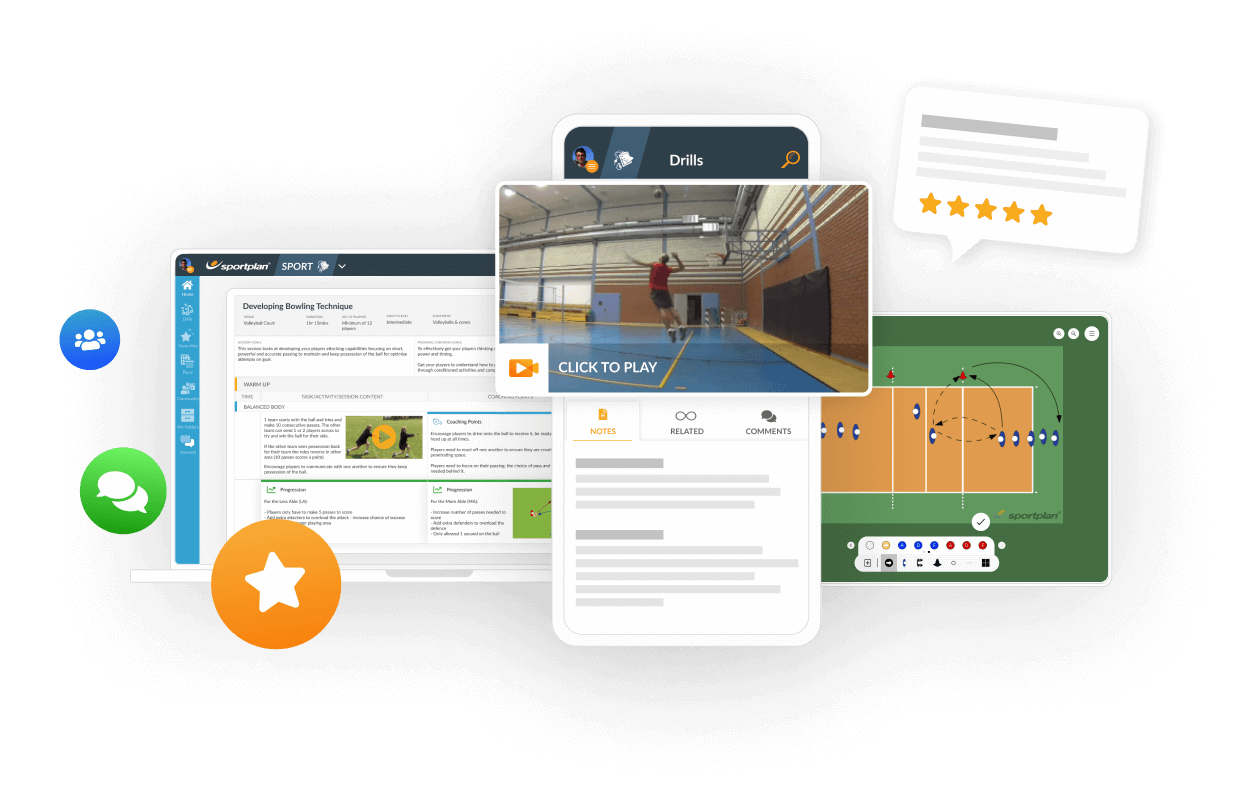
1. Setup 6 vs 6 (4 vs 4, tec.), with players starting in base positions.
2. 5 freeballs are thrown out, alternating sides (regardless of who wins the point).
3. The teams keep track of how many rallies they win. For example, the far side wins 3 rallies, and the near side wins 2.
4. The team who wins the most rallies (in this example, the far side) gets the “moneyball,” which is just another freeball.
5. Whoever wins the rally with the moneyball gets to keep the point they earned, while the losing team remains at their previous score.
6. I then start the next freeball with the team who won the moneyball. This begins another round of 5 freeballs.
The goal is to get to (or exceed) 21 total points, but you can play for time or to a different amount.
This is a great drill to show the importance of every point and to get your players used to playing under pressure. Even if a team is down 0-5, by winning the moneyball they can stop the other team from getting 5 points.
**Vary the size of the court depending on how many players are at training**
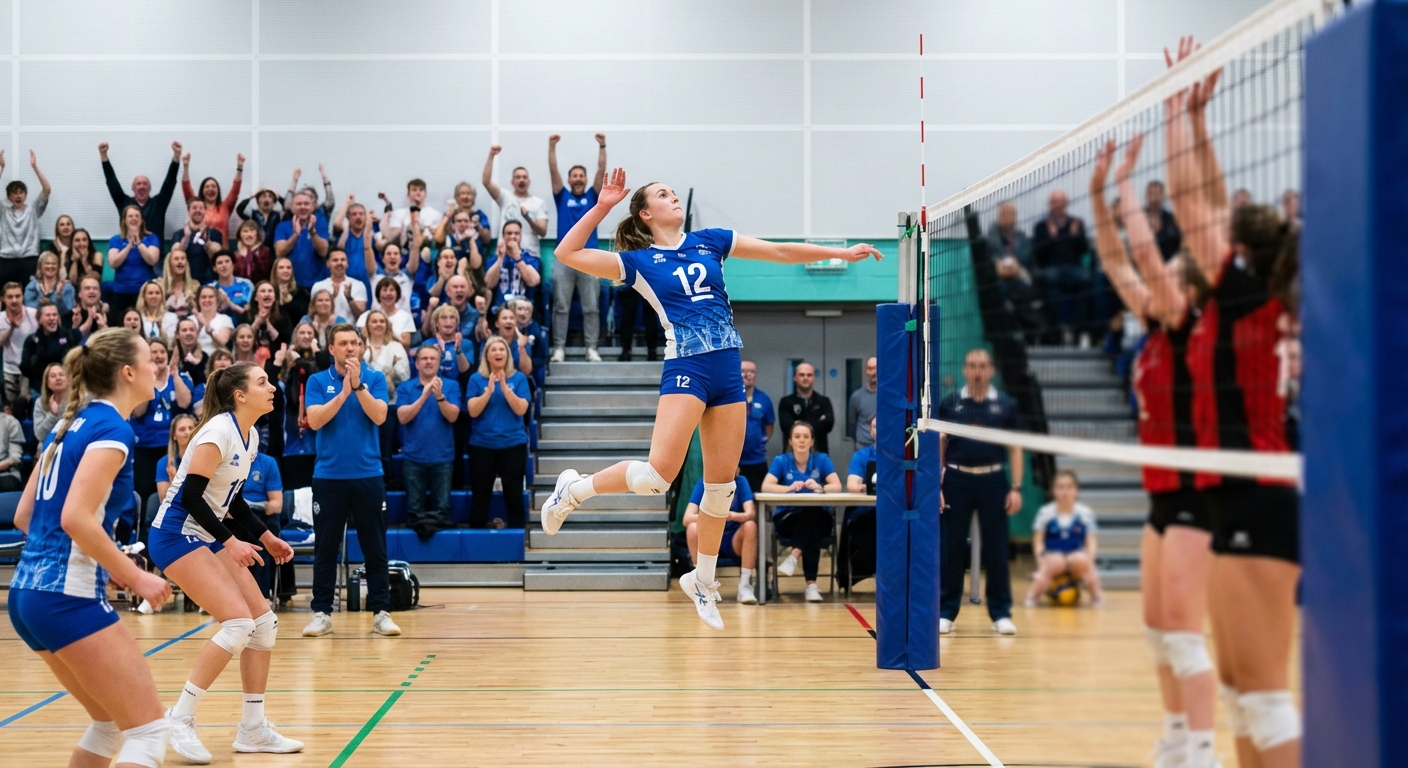
The back row attack adds a powerful offensive dimension that stretches the opposing block and creates scoring opportunities from unexpected positions. This guide covers the rules, approach footwork, setter-hitter timing, and progressive training methods for introducing back row attacks to developing teams.
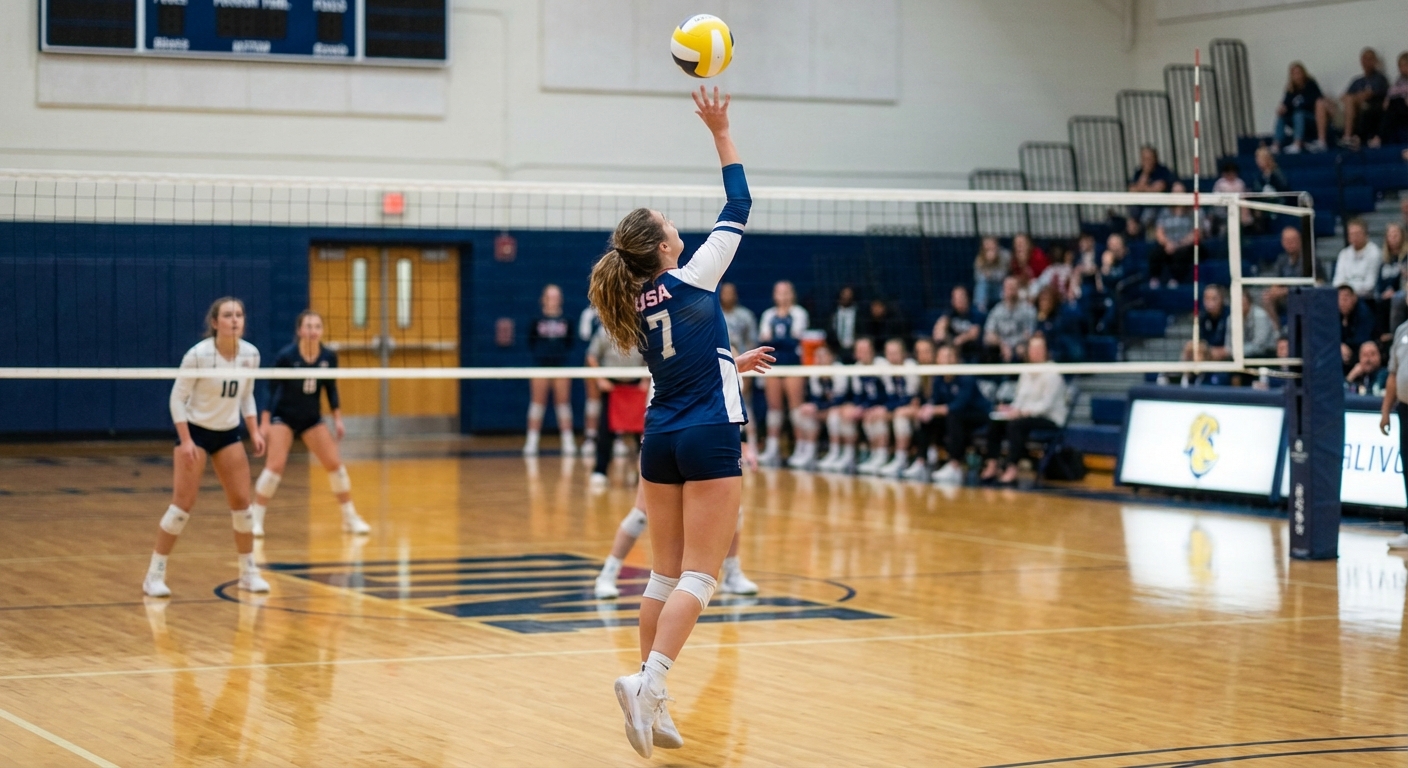
Choosing between a float serve and a jump serve is one of the most important tactical decisions in volleyball. This article examines the mechanics, strengths, and limitations of each serve type, and provides a framework for coaches to help players make the right serving decision in every match situation.
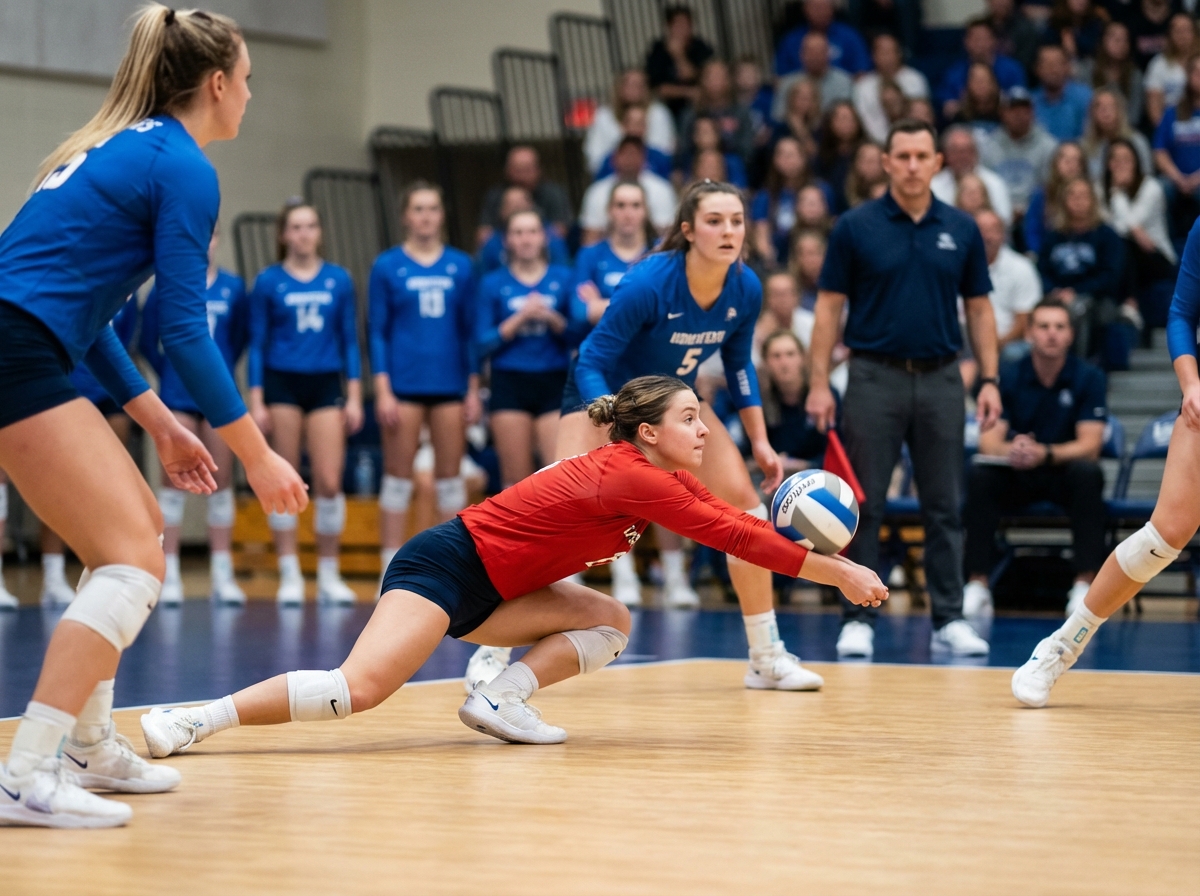
The libero position has never been more important. Here's how to develop elite defensive specialists who transform your team's back-court play.


Register for FREE and get coaching tips, top drills, session and more every week!