Stationary Dribbling
SET-UP: Place pizza's apart facing opposite each other. (like in diagram) Each child recevies a ball. Go through for 30 sec - 1 min each:
Start with non-bouncing movements first:
- Strength test (child hold’s basketball with 2 hands whilst coach comes around to hit it making sure it doesn't drop)
- Ball Slap’s (slapping the ball changing hands)
- Figure 8's: Rolling the ball between both legs using the floor
- 1 Clap 1 Catch practise (if too hard, let them bounce the ball then catch it)
Now bouncing movements:
DRIBBLING TECHNIQUE - Knee's bent, feet apart.
- 2 hand dribbling first (using 2 hands not 1 - makes it easier) Count to 15 as a group
- Right hand dribble: Hip level then progress to Ankle Level (low dribbling)
- Left hand dribble: Hip level then progress to Ankle Level (low dribbling)
- Playing the drums (crossovers - switching hands every time you bounce the ball)
- Sitting down and dribbling (Right hand, followed by left hand and then playing the drums)
Finish with a 10 second countdown together.
When finished, balls in the bag and HI-FIVE!
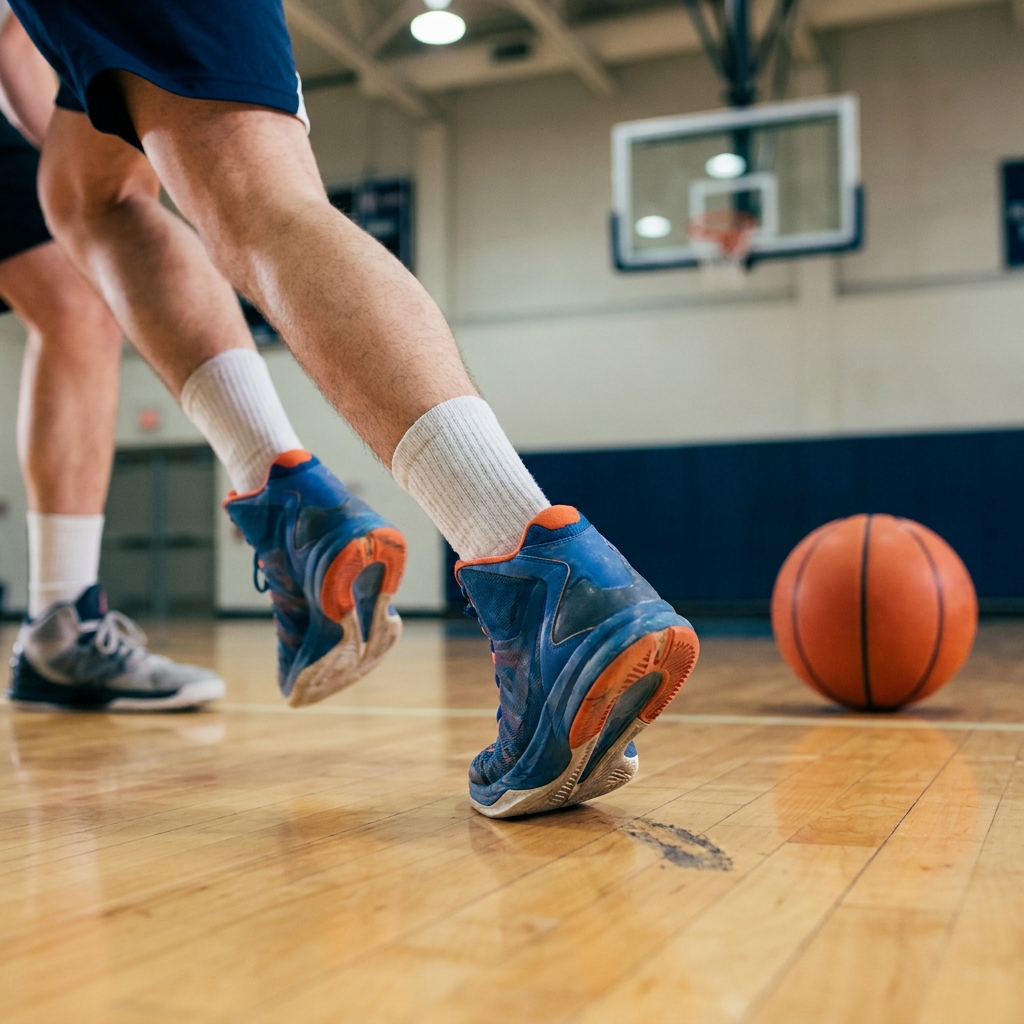
Four players standing still make every ball handler's job harder. Teach V-cuts, L-cuts and back cuts so your team gets open and punishes defenders who overplay.
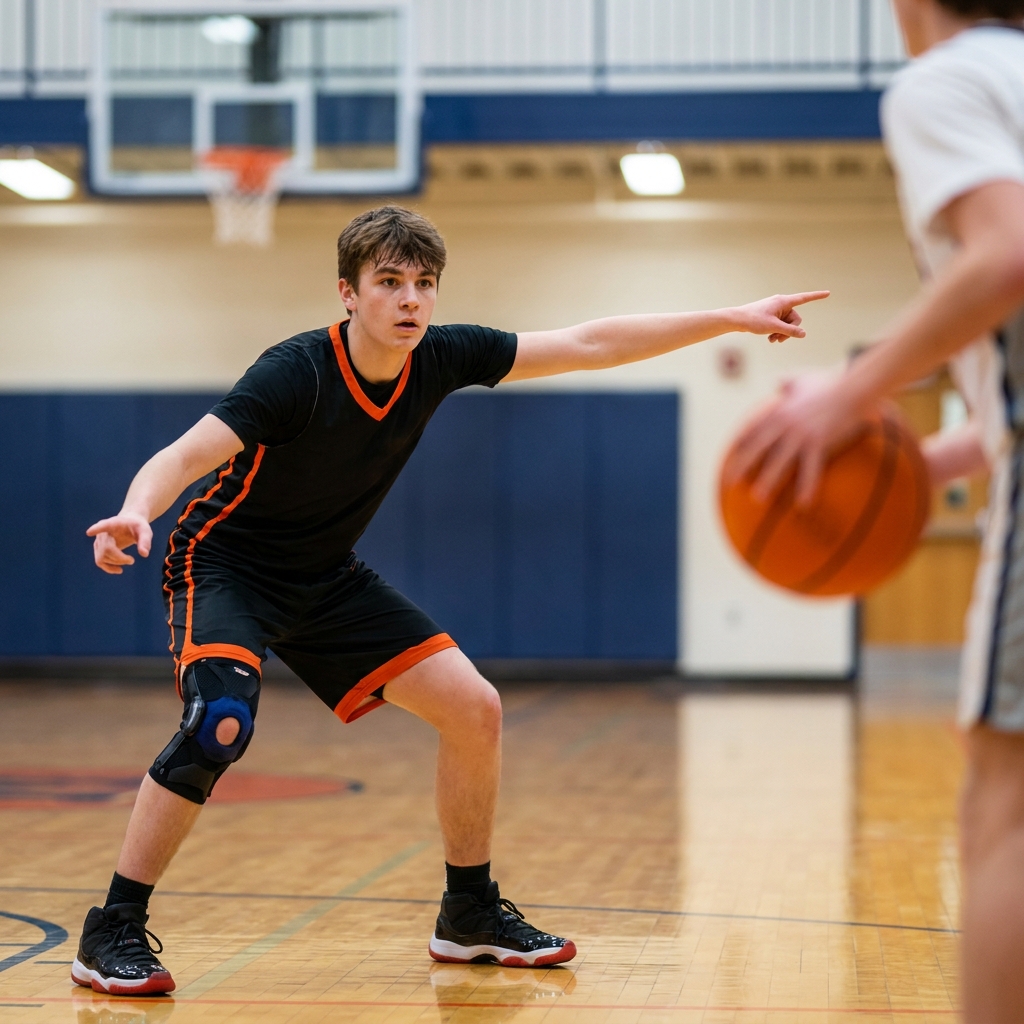
Good team defence is five players guarding the ball, not five separate one-on-ones. The shell drill is where that starts, so here is how to teach help-side positioning and rotations from the first week of the season.
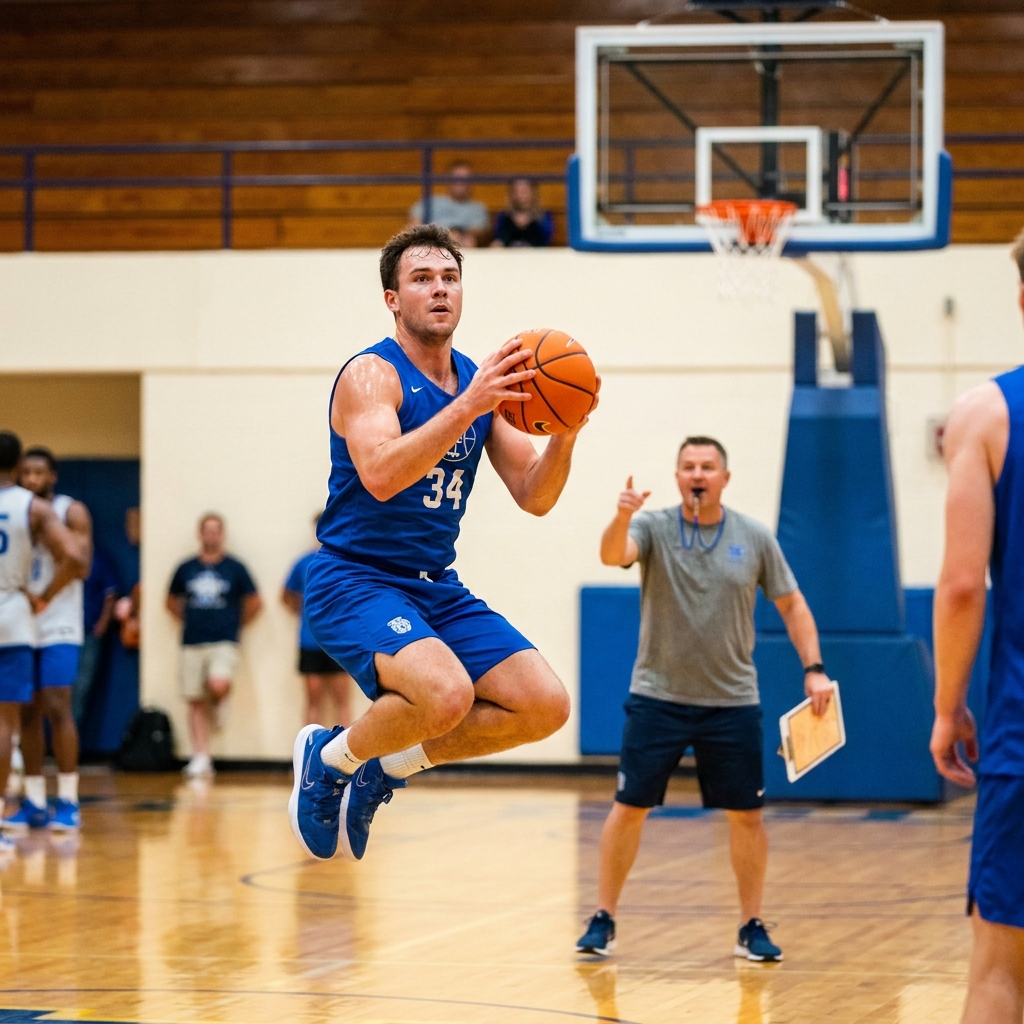
Rebounding is the least glamorous thing in basketball and one of the most decisive. It is also almost entirely a habit, which means it is entirely coachable.


Register for FREE and get coaching tips, top drills, session and more every week!