Three lines and four basketballs will be needed. One player, the shooter, will be near the low post, the passer will be at the top of the key, and the screener will be at the wing.
The shooter is going to come off a down screen and pop out to the wing. (S)he must be ready to catch and shoot after coming off the screen.
The passer at the top of the key will then deliver a chest pass to the shooter, and the shooter will then square up to the basket and attempt a jump shot.
As soon as the passer releases the ball, the next player in the wing line will pass a ball to the screener, who must post up to receive the ball and make a post move.
The process will continue until you feel it necessary to rotate or move on.
Points of Emphasis
Continually tell your players to…
- Come off the screen as quickly as possible; make it a game speed drill.
- Square up to the basket before they shoot.
- After they have displayed shooting form, follow their shot
The screener can play some token defense against the offensive player, in which he/she must not make a post move.
The drill can be done with only a shooting line and a passing line, putting two cones at the block, representing the screener, as ilustrated on the left side.
Source: Adapted from Breakthrough Basketball 72 Drills.

Four players standing still make every ball handler's job harder. Teach V-cuts, L-cuts and back cuts so your team gets open and punishes defenders who overplay.
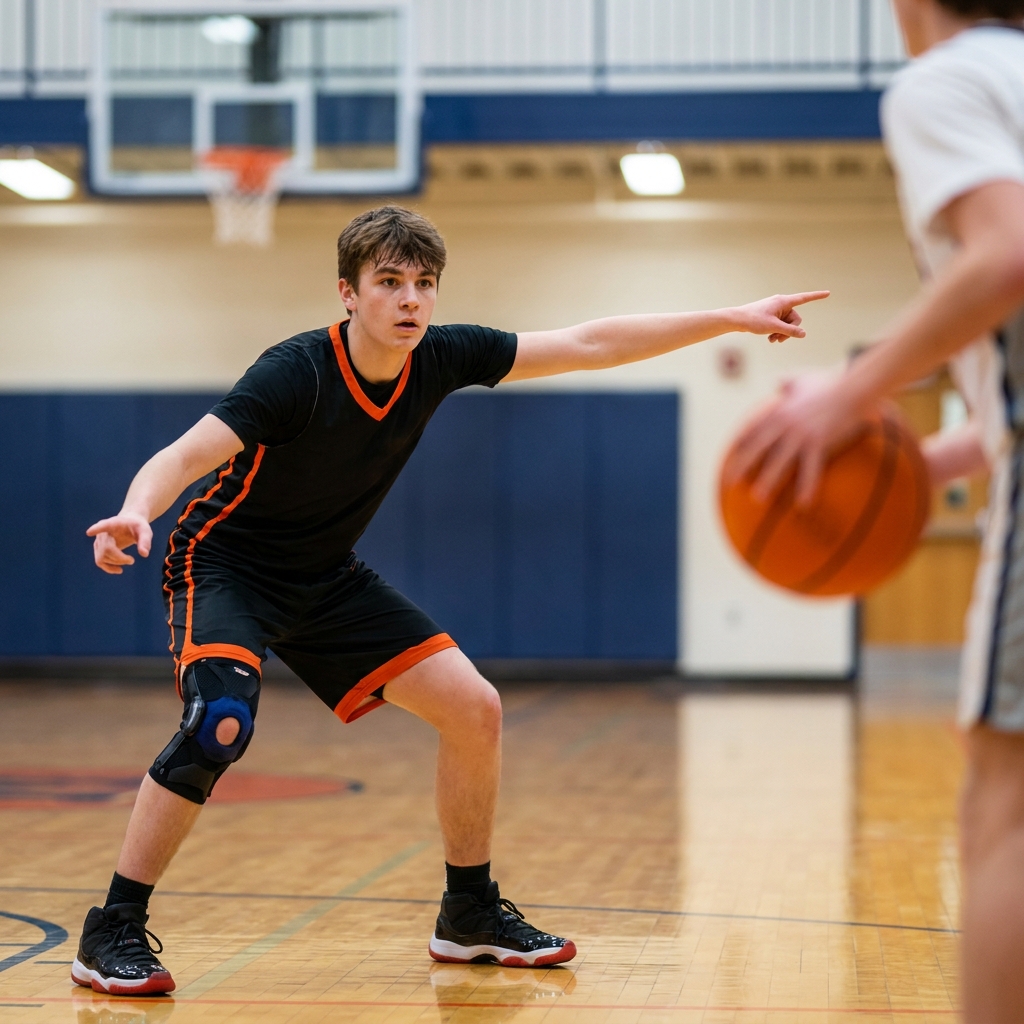
Good team defence is five players guarding the ball, not five separate one-on-ones. The shell drill is where that starts, so here is how to teach help-side positioning and rotations from the first week of the season.
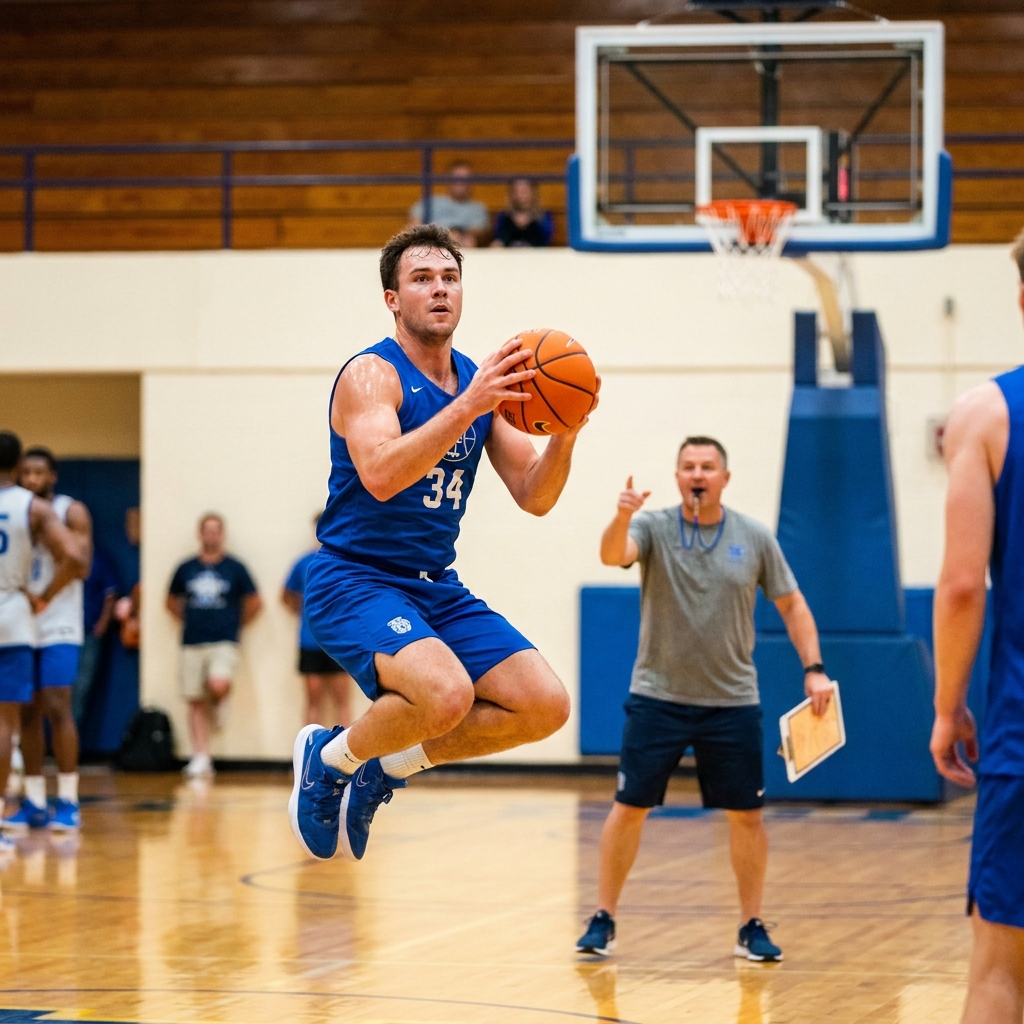
Rebounding is the least glamorous thing in basketball and one of the most decisive. It is also almost entirely a habit, which means it is entirely coachable.


Register for FREE and get coaching tips, top drills, session and more every week!