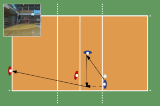
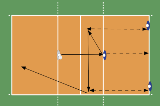
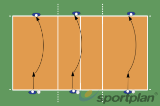
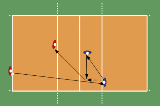
Players work in threes starting from a dig and each of them assigns a role: receiver, setter and spiker.
As soon as the receiver digs the ball, they run under the net to change the side of the court. Every player changes side when they hit the ball, with the spiker being the last player to move over.
In this exercise consistency and accuracy of passes and spikes is required. The drill is also difficult because of the endurance aspect, passes may start become poor as players get tired.
When you see a spiker getting very tired, quick position changes can be made even during passing.
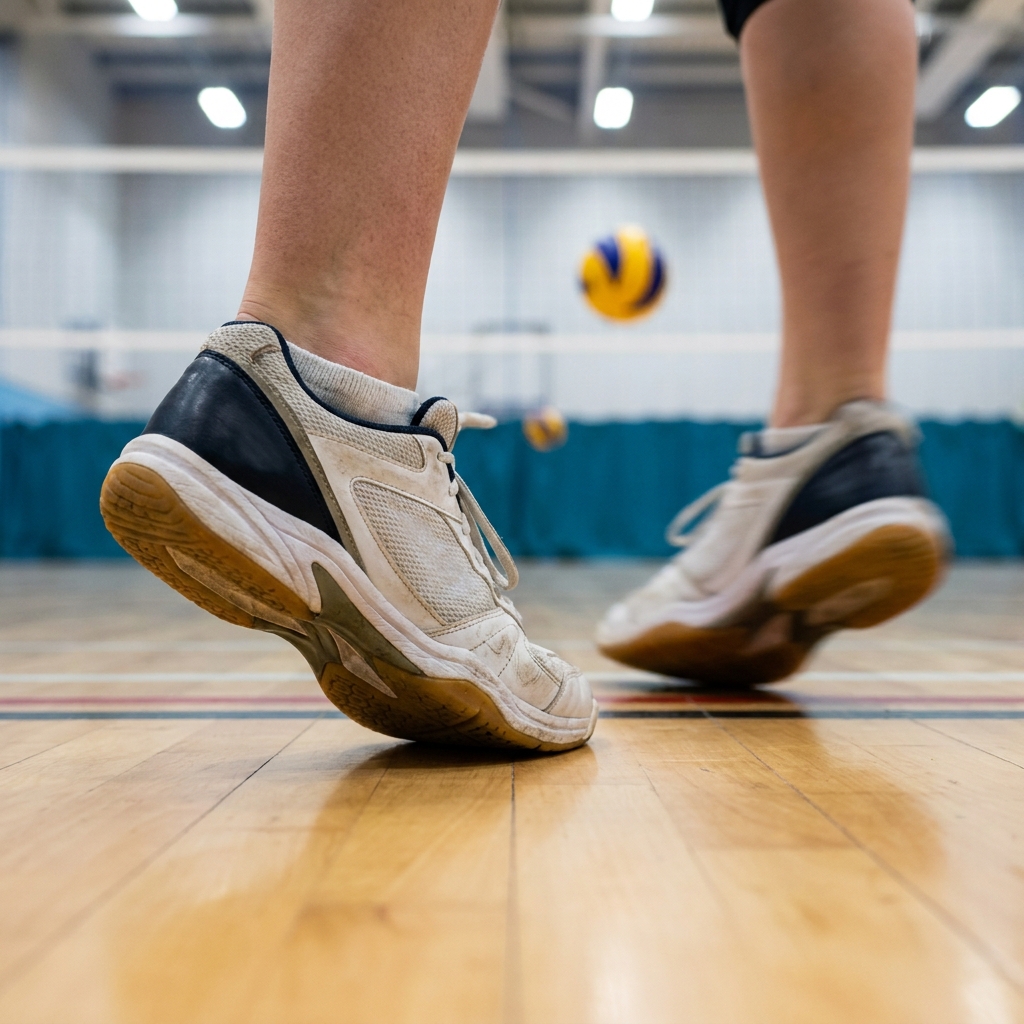
New hitters rarely miss because of their arm. They miss because of their feet. Build a reliable approach, then time it with your setter.
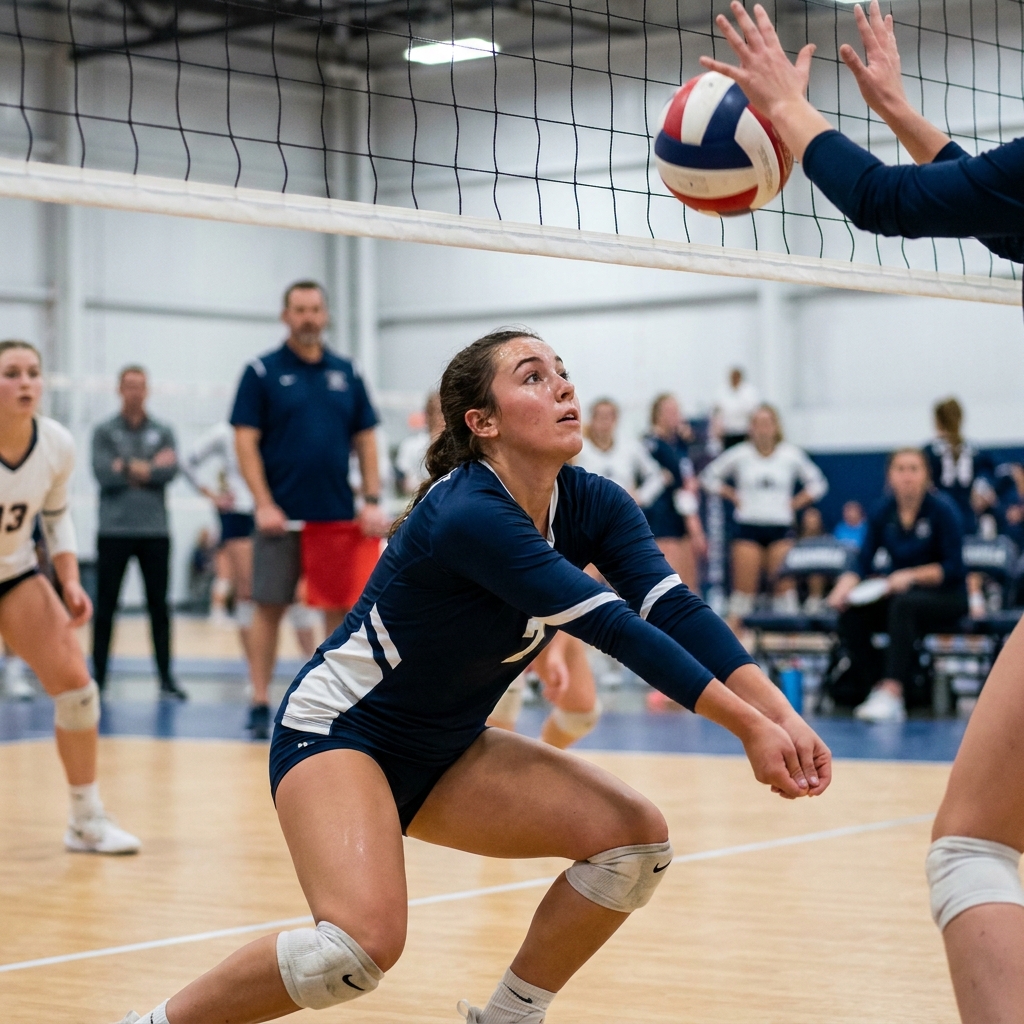
When your hitter gets stuffed, five teammates standing and watching is how you lose the point. Good attack coverage turns a blocked ball into a second swing.

Coaches spend hours correcting arms in serve receive when the real fault is almost always the feet. Fix the movement and the platform fixes itself.


Register for FREE and get coaching tips, top drills, session and more every week!