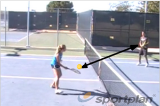
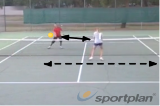
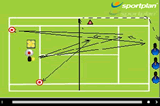
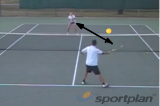
Player A stands close to the net, whilst Player B stands closer to the side line. Player A works on angle volleys while rallying with the partner and Player B hits only drives after the bounce.
Volley's possibilities are not limited only to hitting to the forehand or backhand side. The best players in the world are able to hit volleys deep, short or with angle. Knowing how to control the racquet's angle is an ability that can make a difference in player's results on the court.
This simple rally exercise is a good tool to learn how to control racquet's angle. Close distance to the net doesn't force the player to use any power so he/she can completely focus on control and placement. Even this exercise is pretty simple, the coach has to demand hard work and constant movement by both players.
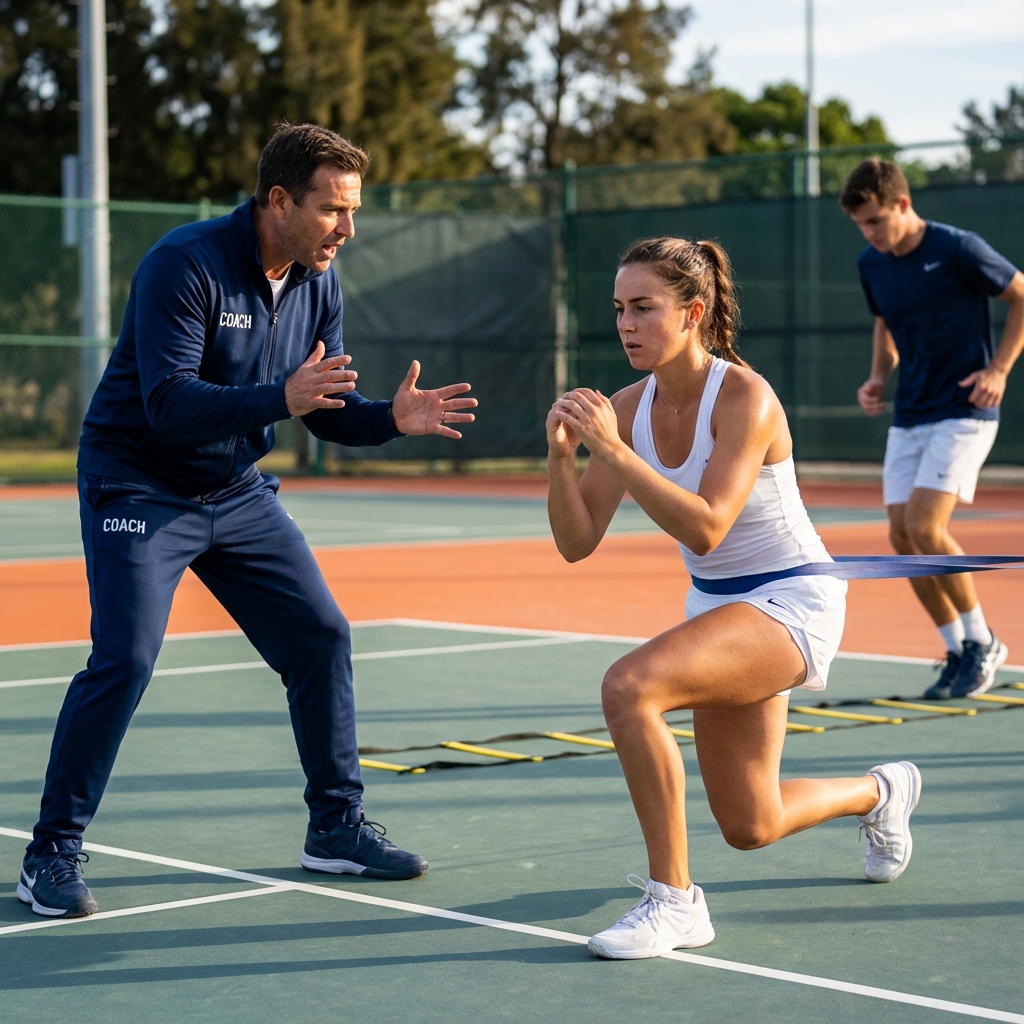
Tennis demands a unique combination of endurance, power, agility, and flexibility. Physical preparation determines how long careers last and how players perform when it matters most.
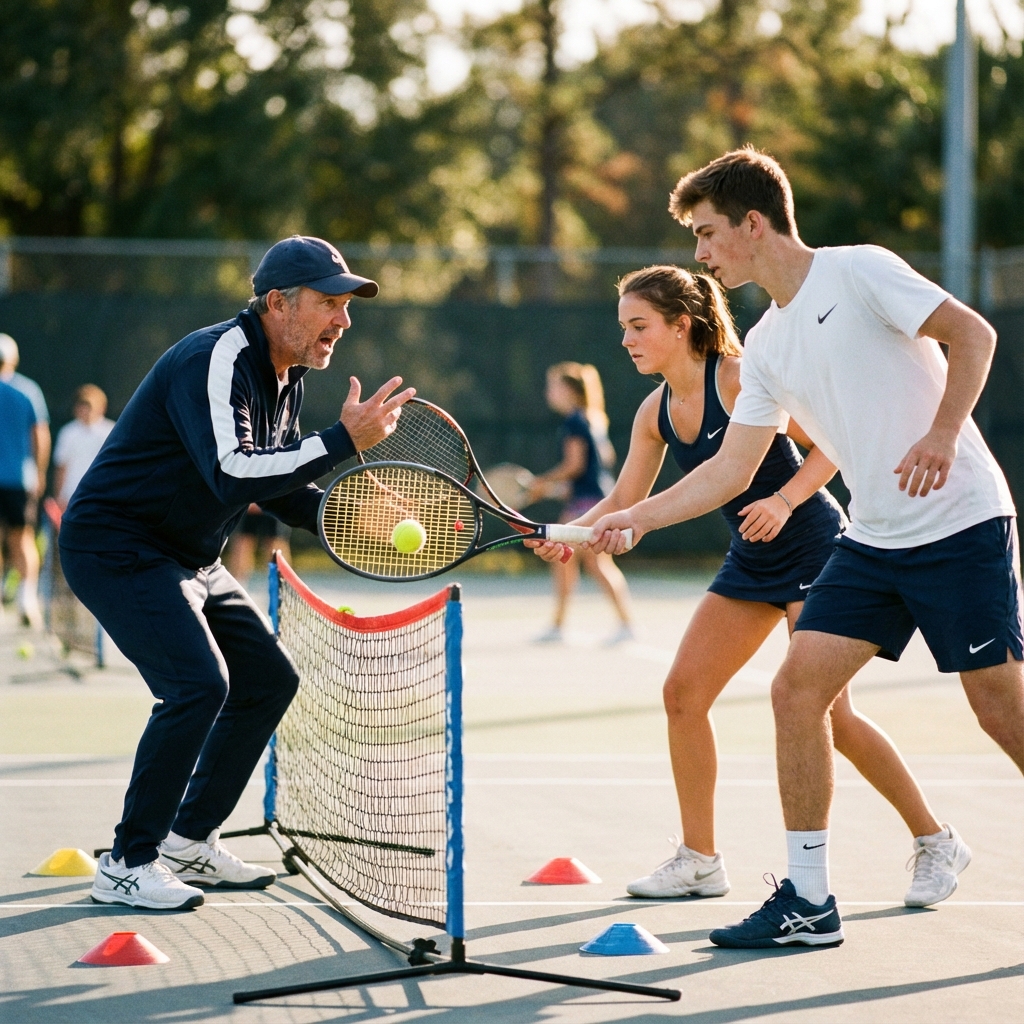
Ecological dynamics is transforming tennis coaching. This constraints-led approach develops adaptable, creative players who can solve problems in competition, not just execute drilled patterns.
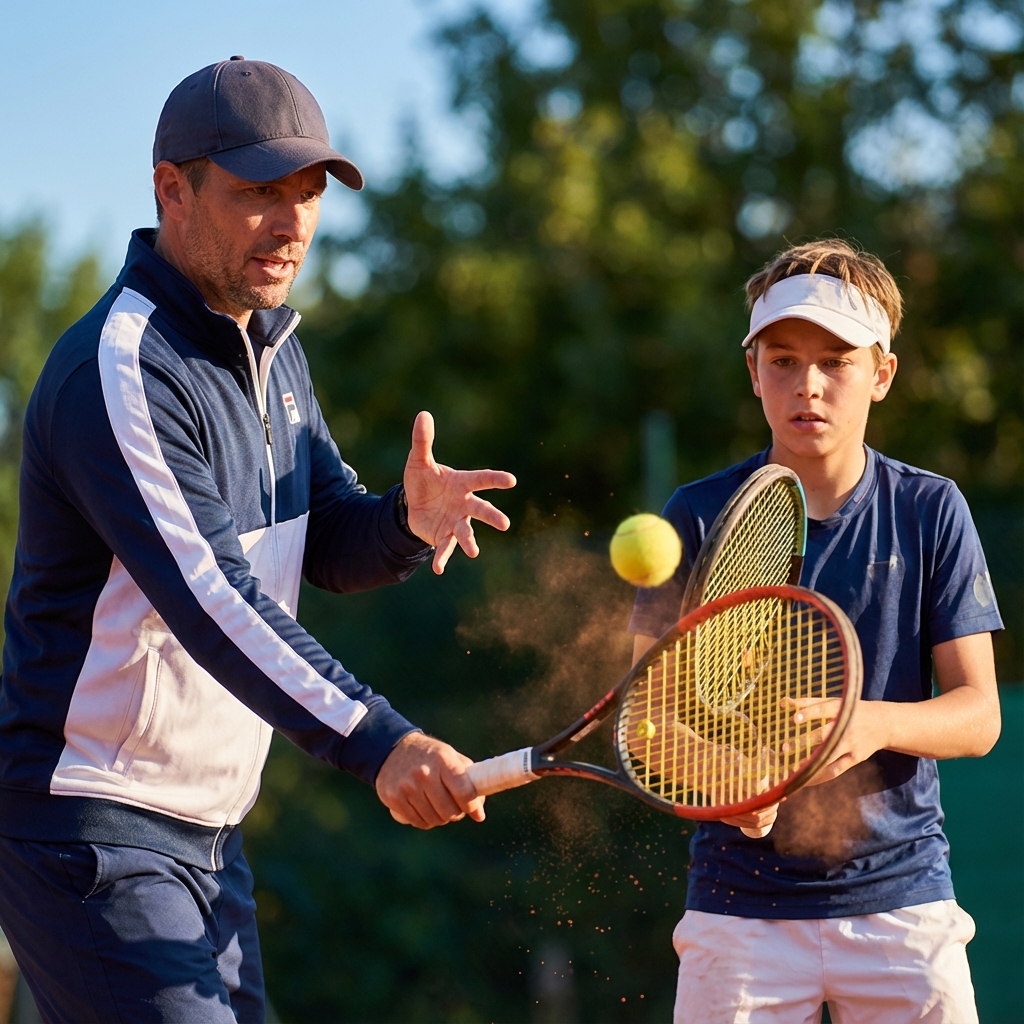
The one-handed backhand is becoming rare, but when executed well, it remains one of tennis's most elegant and effective shots. Is it a dying art or a tactical advantage?


Register for FREE and get coaching tips, top drills, session and more every week!