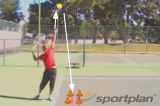
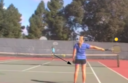
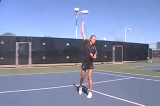
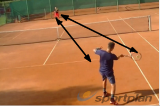
Player A executes wide slice serve from the deuce side. Player B hits forehand cross court return. Player A moves diagonally forward and finishes with offensive down the line shot.
Drill specifications:
1 repetition per set
To make this drill really dynamic players should switch after one point at the serving side. Returning players can switch after few points to guarantee good consistency and more opportunities for the servers to work on the pattern. Waiting players should perform some footwork activities including quick diagonal movement to gain bigger improvements while moving to the ball after the serve.
Serve is an important aspect of an offensive game. This stroke is the only one in tennis that player has full control over. The opponent doesn’t have an influence on the serve so player can plan and execute this shot without any adjustments. Especially on the ATP Tour serve is the weapon that is used to win points right away or to create offensive situations for the player to finish the point. That is why all players should work on specific tactical patterns and understand that every serve has a specific purpose and it is not just introductory shot of the point.
In this drill players work on offensive tactical pattern based on the wide slice serve. It is important that players are able to execute all 3 types of serve (slice, kick, flat) because lack of one of these variations can visibly limit own chances for winning. This pattern has a goal to open the court up with the angle serve and put the opponent out of the court. If the serve is executed with good placement the opponent will have only 2 options: go for a low-percentage down the line winner or hit cross-court back to the opponent. Most of the time they will pick the cross court option so players have to learn how to effectively use the next shot to win the point. Connecting the serve and the next shot is crucial so coach has to explain to players that they should move diagonally inside the court to meet the ball earlier and cut the opponent’s recovery time. This few steps inside the court can make a big difference in effectiveness of the down the line shot so footwork and reaction have to work together to achieve this goal.
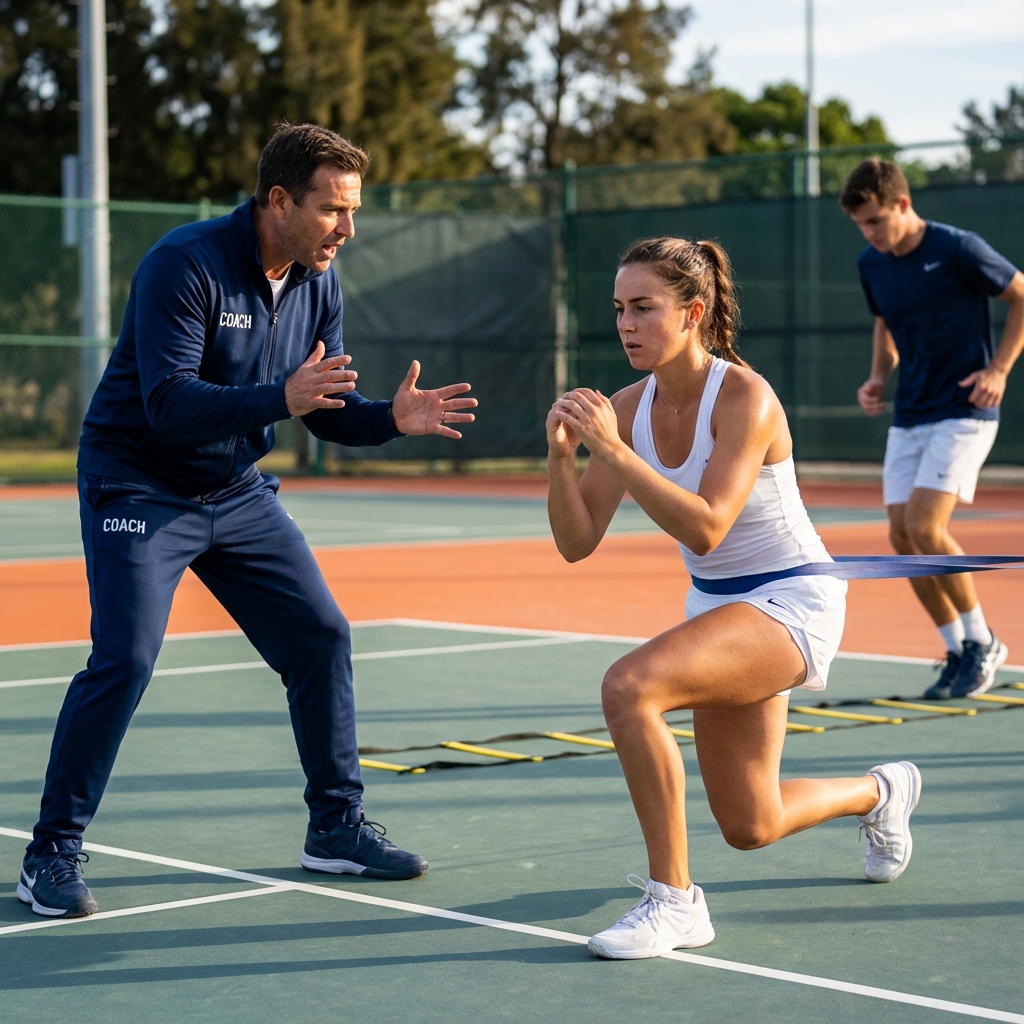
Tennis demands a unique combination of endurance, power, agility, and flexibility. Physical preparation determines how long careers last and how players perform when it matters most.
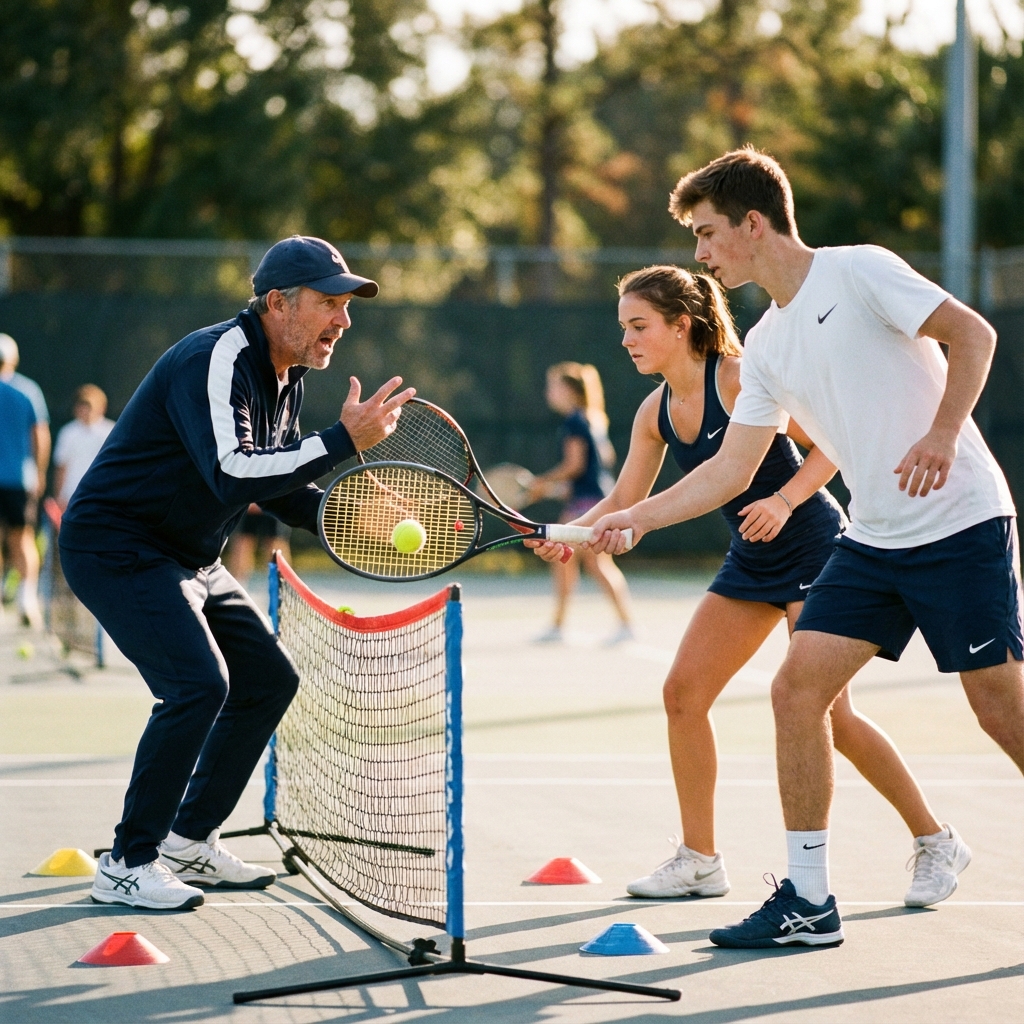
Ecological dynamics is transforming tennis coaching. This constraints-led approach develops adaptable, creative players who can solve problems in competition, not just execute drilled patterns.
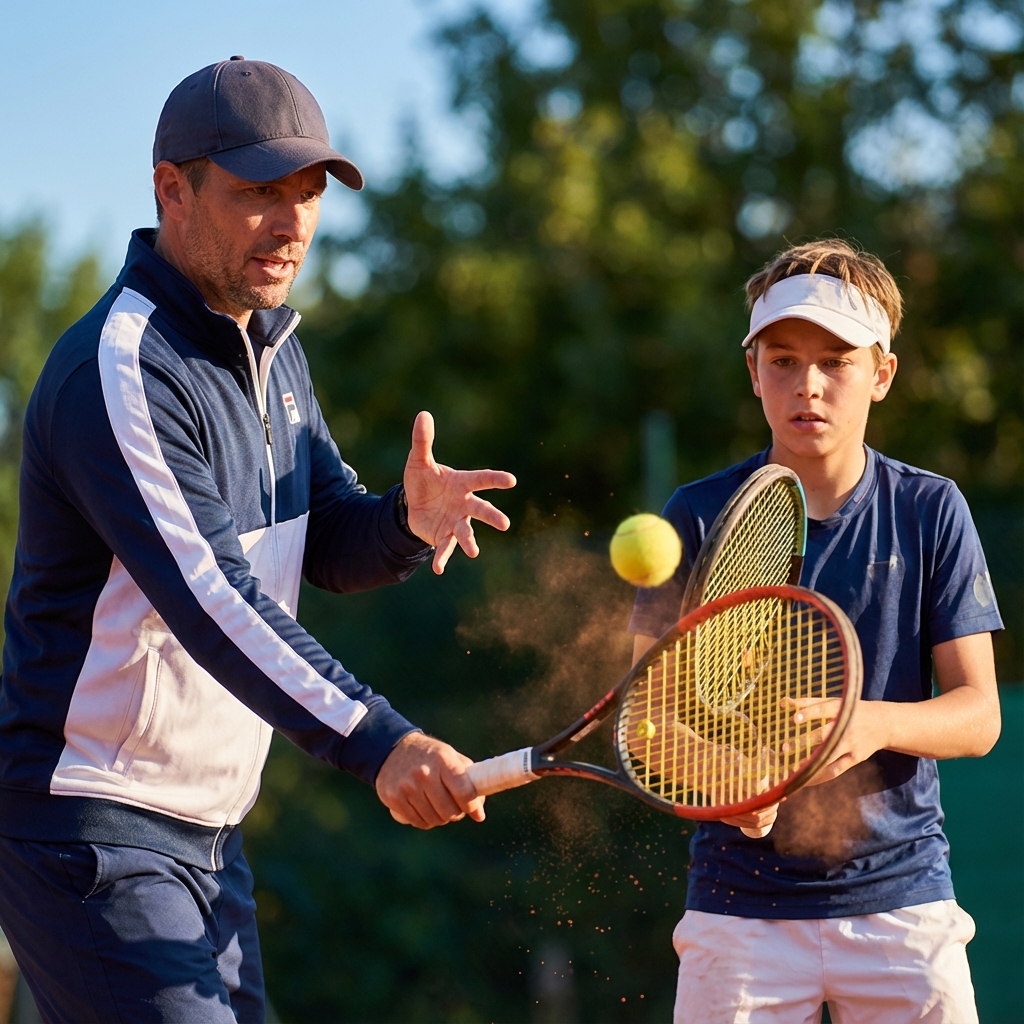
The one-handed backhand is becoming rare, but when executed well, it remains one of tennis's most elegant and effective shots. Is it a dying art or a tactical advantage?


Register for FREE and get coaching tips, top drills, session and more every week!