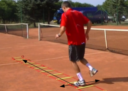
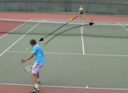
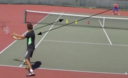
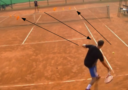
Cones create deep zone. The coach feeds balls to the forehand side and the player tries to hit all the balls behind the cones.
The primary strategy of tennis at all levels of play is to hit the ball deep. Placing shots close to baseline forces the opponent to move further back, respond with easier ball or even to miss it. That is why it is really important to practise deep shots to be able to hit several balls in a row. If players are able to do so rivals need advanced skills to counter this strategy.
In this drill, the only goal is to place the balls deep. Top players are able to hit and respond to deep shots so athletes who want to win trophies need these skills. The coach should explain to players which factors have an influence on depth (speed, spin, trajectory) and have athletes work on these skills in closed environment. For more competitive players, the coach can give points for each shot into the zone and deduct one point for each shot into the net to put more pressure on athletes.
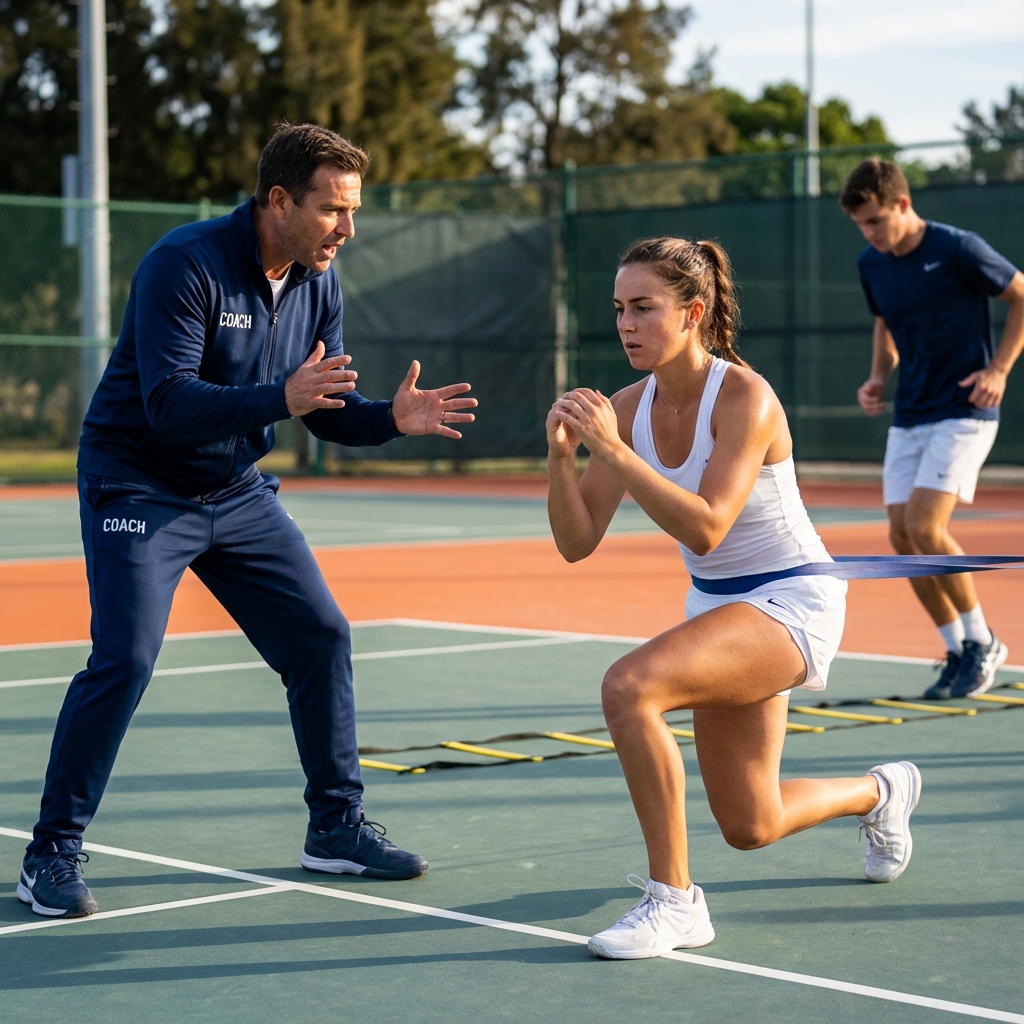
Tennis demands a unique combination of endurance, power, agility, and flexibility. Physical preparation determines how long careers last and how players perform when it matters most.
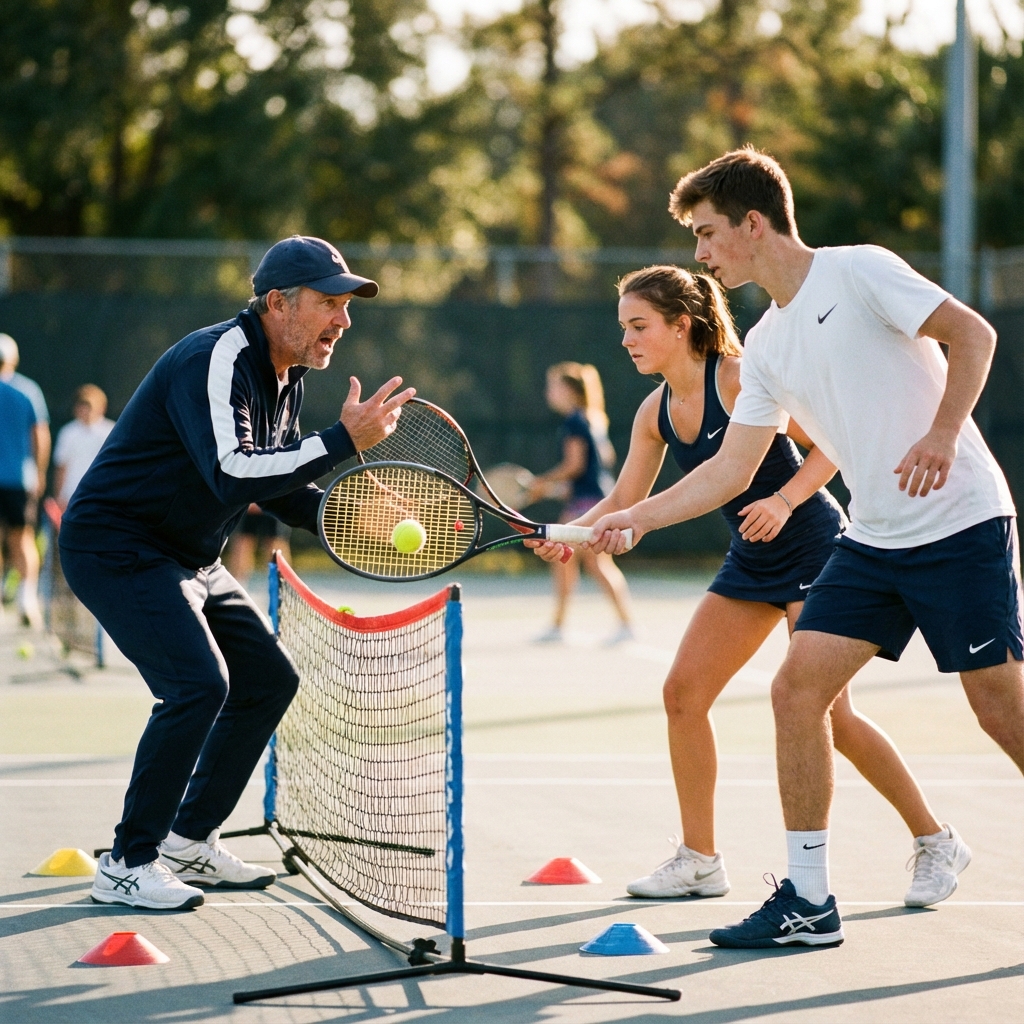
Ecological dynamics is transforming tennis coaching. This constraints-led approach develops adaptable, creative players who can solve problems in competition, not just execute drilled patterns.
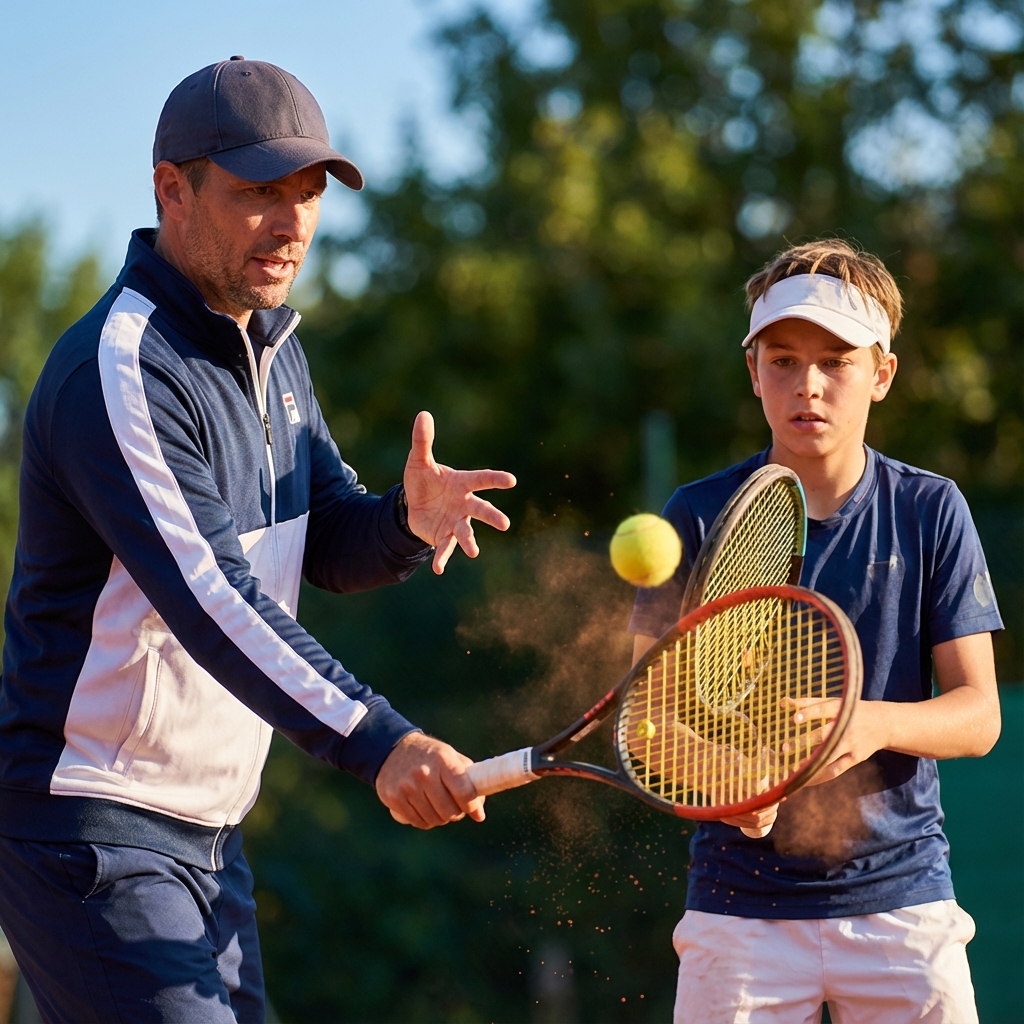
The one-handed backhand is becoming rare, but when executed well, it remains one of tennis's most elegant and effective shots. Is it a dying art or a tactical advantage?


Register for FREE and get coaching tips, top drills, session and more every week!